Can oxyfluorfen be used in greenhouses?
As a supplier of Oxyfluorfen, I've received numerous inquiries from greenhouse growers about the suitability of using Oxyfluorfen in their controlled environments. This blog aims to provide a comprehensive and scientifically - sound analysis of whether oxyfluorfen can be used in greenhouses.
Understanding Oxyfluorfen
Oxyfluorfen is a pre - emergent and post - emergent herbicide that belongs to the diphenyl ether chemical family. It is highly effective against a wide range of broadleaf weeds and some grasses. The mode of action of oxyfluorfen is to inhibit protoporphyrinogen oxidase (PPO), an enzyme involved in the biosynthesis of chlorophyll. When a weed absorbs oxyfluorfen, it disrupts the normal functioning of the plant's cells, leading to the formation of reactive oxygen species that damage cell membranes and ultimately cause the death of the weed.
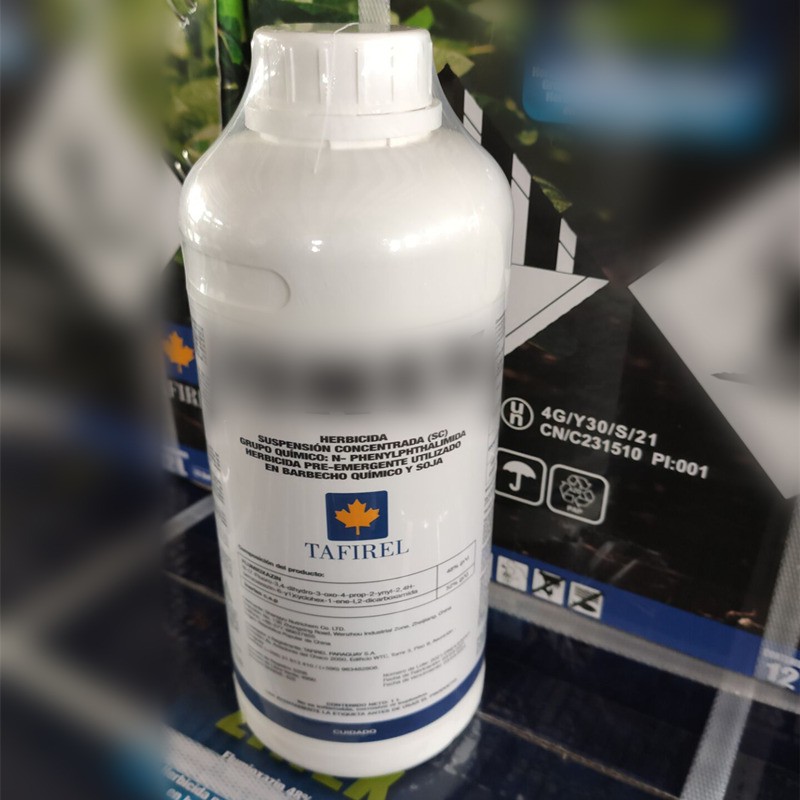
The Oxyfluorfen 240G/L EC is one of our popular products, which offers a convenient formulation for weed control.

Advantages of Using Oxyfluorfen in Greenhouses
1. Weed control efficiency
Greenhouses provide an ideal environment for plant growth, but unfortunately, they are also a haven for weeds. Weeds compete with crops for nutrients, water, and light, which can significantly reduce crop yields. Oxyfluorfen can effectively control a large number of weed species, both before they emerge from the soil (pre - emergent) and after they have germinated (post - emergent). This dual action makes it a powerful tool for maintaining a weed - free greenhouse environment.
2. Long - lasting residual activity
One of the key benefits of oxyfluorfen is its long - lasting residual activity. Once applied to the soil, it can remain active for several weeks to months, depending on factors such as soil type, temperature, and moisture. In a greenhouse setting, where crops are often grown over an extended period, this long - lasting activity ensures continuous weed control, reducing the need for repeated herbicide applications.
3. Cost - effectiveness
Compared to some other herbicides, oxyfluorfen is relatively cost - effective. Its ability to control a wide range of weeds with a single application can save greenhouse growers both time and money. Additionally, the long - term residual activity reduces the frequency of treatments, further contributing to cost savings.
Challenges and Considerations of Using Oxyfluorfen in Greenhouses
1. Phytotoxicity risk
One of the main concerns when using oxyfluorfen in greenhouses is the potential for phytotoxicity. Some crop species are more sensitive to oxyfluorfen than others. For example, certain ornamental plants, young seedlings, and some vegetable crops may suffer damage if exposed to oxyfluorfen at high doses or during sensitive growth stages. It is crucial to carefully read the product label and conduct small - scale trials before applying oxyfluorfen to the entire greenhouse to determine the tolerance of the specific crop.
2. Environmental factors in greenhouses
Greenhouses have unique environmental conditions compared to outdoor fields. The temperature, humidity, and light intensity are often higher and more consistent in greenhouses. These factors can affect the behavior and efficacy of oxyfluorfen. Higher temperatures, for example, may increase the volatility of the herbicide, potentially leading to off - target movement and damage to non - target plants. Additionally, the high humidity in greenhouses may affect the absorption and degradation of oxyfluorfen in the soil.
3. Residue management
Since oxyfluorfen has long - lasting residual activity, there is a risk of residue accumulation in the greenhouse soil over time. Residues can affect the growth of subsequent crops, especially if they are sensitive to the herbicide. Greenhouse growers need to carefully manage residue levels by following proper application rates and intervals, and by conducting soil testing to monitor residue concentrations.
Best Practices for Using Oxyfluorfen in Greenhouses
1. Crop selection and sensitivity testing
Before using oxyfluorfen, it is essential to select crop species that are known to be tolerant of the herbicide. If you are unsure about the tolerance of a particular crop, conduct a small - scale sensitivity test. Apply a low dose of oxyfluorfen to a small area of the greenhouse and monitor the crop's response over a period of time. If there are no signs of phytotoxicity, you can gradually increase the application rate.
2. Proper application techniques
Follow the recommended application rates and methods specified on the product label. Use the appropriate equipment, such as calibrated sprayers, to ensure uniform application of the herbicide. Avoid over - spraying, as this can increase the risk of phytotoxicity and environmental contamination.
3. Environmental control
Maintain optimal environmental conditions in the greenhouse during and after oxyfluorfen application. Keep the temperature and humidity within the recommended range to ensure the proper performance of the herbicide and minimize the risk of off - target movement.
4. Residue management
Regularly monitor the soil for oxyfluorfen residues. If residue levels are high, consider using soil - remediation techniques, such as crop rotation with non - sensitive crops or soil amendments, to reduce the concentration of the herbicide.
Conclusion
In conclusion, oxyfluorfen can be used in greenhouses, but it requires careful consideration and proper management. When used correctly, it offers significant benefits in terms of weed control efficiency, long - lasting residual activity, and cost - effectiveness. However, growers need to be aware of the potential risks, such as phytotoxicity, environmental impact, and residue management.
If you are a greenhouse grower interested in using oxyfluorfen for weed control, I encourage you to reach out to me for more information. Our team of experts can provide you with detailed guidance on product selection, application techniques, and best practices to ensure successful and safe use of oxyfluorfen in your greenhouse. We are committed to helping you achieve optimal weed control and maximize your crop yields. Contact us to start a discussion about your specific needs and how our oxyfluorfen products can meet them.
References
- "Weed Control in Greenhouses", University of California Agriculture and Natural Resources.
- "Mode of Action of Oxyfluorfen", Journal of Pesticide Science.
- "Environmental Fate of Oxyfluorfen in Agricultural Soils", Soil Science Society of America Journal.