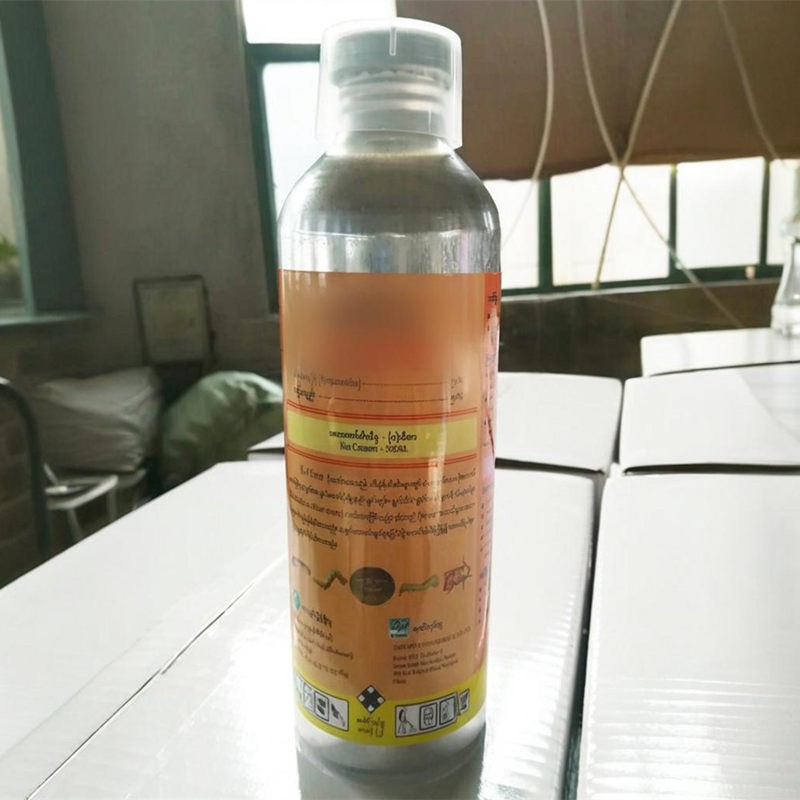
Can carboxin prevent crop spoilage during storage?
As a carboxin supplier, I've been frequently asked about the effectiveness of carboxin in preventing crop spoilage during storage. In this blog, I'll delve into the science behind carboxin, its properties, and how it can play a crucial role in safeguarding stored crops.
Understanding Carboxin
Carboxin is a systemic fungicide that has been widely used in agriculture for many years. It belongs to the chemical class of carboxamides. The mode of action of carboxin is based on its ability to inhibit the succinate dehydrogenase enzyme in the mitochondria of fungi. This enzyme is essential for the energy - producing Krebs cycle in fungi. By blocking this enzyme, carboxin disrupts the fungal metabolism, ultimately leading to the death of the fungus.
Crop Spoilage During Storage
Crop spoilage during storage is a significant problem for farmers and agricultural businesses worldwide. It can be caused by various factors, including fungi, bacteria, insects, and improper storage conditions. Fungal infections are particularly common and can lead to the development of mold, rot, and the production of mycotoxins, which are harmful to human and animal health.
Some of the common fungi that cause crop spoilage during storage include Aspergillus, Penicillium, and Fusarium species. These fungi can grow under a wide range of temperature and humidity conditions, making it challenging to control them without the use of effective fungicides.
Can Carboxin Prevent Crop Spoilage?
The answer is yes, carboxin can be an effective tool in preventing crop spoilage during storage. Here's how:
1. Fungal Control
As mentioned earlier, carboxin has a strong antifungal activity. It can effectively control a wide range of fungi that are known to cause crop spoilage. When applied to crops before storage, carboxin can penetrate the plant tissues and provide long - term protection against fungal infections.
For example, in cereals such as wheat, barley, and oats, carboxin can prevent the growth of fungi that cause diseases like smut and rust. These diseases not only reduce the quality of the grains but can also lead to significant yield losses. By using carboxin, farmers can ensure that their stored grains remain free from fungal infections for an extended period.
2. Systemic Protection
One of the key advantages of carboxin is its systemic nature. Once applied to the crops, it is absorbed by the plant and translocated throughout the tissues. This means that it can protect not only the treated parts of the plant but also the new growth.
In the context of crop storage, this systemic protection is crucial. Even if new fungal spores land on the stored crops, the carboxin present in the plant tissues can prevent them from germinating and causing infections. This long - lasting protection can significantly reduce the risk of crop spoilage during storage.
3. Compatibility with Other Treatments
Carboxin can be used in combination with other fungicides and pesticides to provide comprehensive protection against crop spoilage. For instance, Carboxin 100G/L + Thiram 100G/L SC is a formulation that combines the antifungal properties of carboxin with the broad - spectrum activity of thiram. This combination can provide better control of a wider range of fungi and pests, enhancing the overall protection of the stored crops.
Application of Carboxin for Crop Storage
To effectively use carboxin for preventing crop spoilage during storage, proper application is essential.
Seed Treatment
One of the most common ways to apply carboxin is through seed treatment. Before sowing, the seeds can be treated with carboxin - based formulations. This not only protects the seeds from fungal infections during germination but also provides early protection to the growing plants. When the crops are harvested and stored, the residual carboxin in the plant tissues can continue to protect against fungal spoilage.
Foliar Application
In some cases, foliar application of carboxin may also be necessary. This is especially true for crops that are more susceptible to foliar fungal diseases. Foliar application should be done at the appropriate growth stage of the crop, usually before the onset of the disease. The carboxin will be absorbed by the leaves and translocated to other parts of the plant, providing protection during storage.

Factors Affecting the Effectiveness of Carboxin
While carboxin can be effective in preventing crop spoilage during storage, its effectiveness can be influenced by several factors.
Storage Conditions
The temperature and humidity of the storage environment play a crucial role in the effectiveness of carboxin. Fungi tend to grow more rapidly in warm and humid conditions. Therefore, it is important to store the crops in a cool and dry place. Even with the use of carboxin, if the storage conditions are not optimal, the risk of fungal growth and crop spoilage may still be high.
Dosage and Application Method
The correct dosage of carboxin is essential for its effectiveness. Using too little carboxin may not provide adequate protection, while using too much can be wasteful and may also have negative environmental impacts. Additionally, the application method should be appropriate for the crop and the type of carboxin formulation.
Conclusion
In conclusion, carboxin can be a valuable tool in preventing crop spoilage during storage. Its antifungal properties, systemic protection, and compatibility with other treatments make it an effective solution for farmers and agricultural businesses. However, it is important to use carboxin correctly, taking into account factors such as storage conditions, dosage, and application method.
If you are interested in purchasing carboxin for your crop storage needs, I encourage you to contact me for more information and to discuss your specific requirements. We can work together to find the best carboxin - based solution for your crops.
References
- Agrios, G. N. (2005). Plant Pathology. Elsevier Academic Press.
- Brent, K. J., & Hollomon, D. W. (2007). Fungicide Resistance in Crop Pathogens: How Can It Be Managed? British Crop Protection Council.
- Delp, C. J. (1987). Fungicides: An Advanced Treatise. Springer - Verlag.