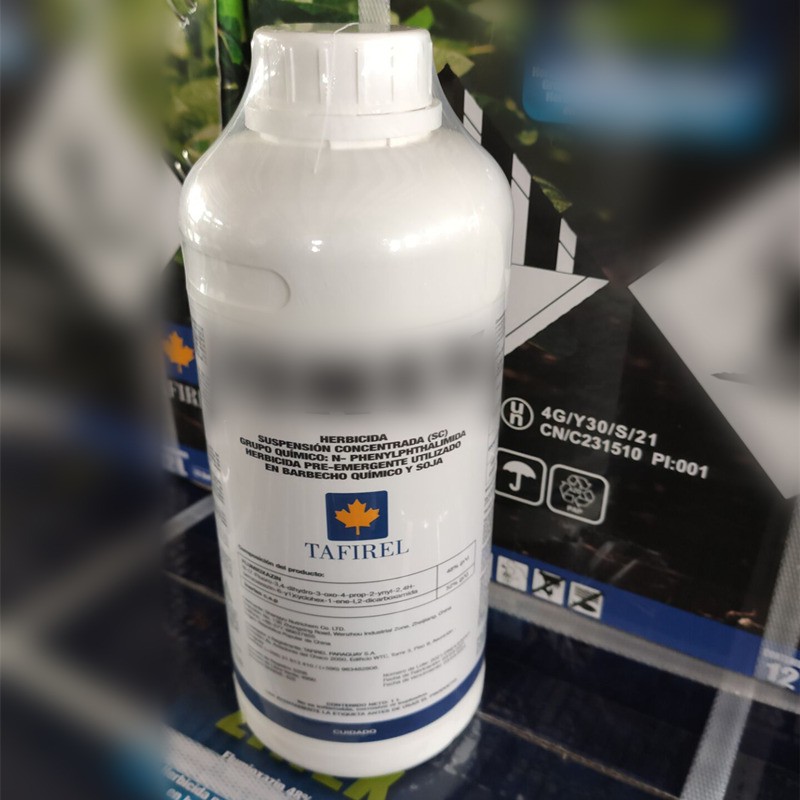
Metazachlor is a widely - used herbicide in modern agriculture, and as a supplier of metazachlor, I have witnessed its application and effects in the field. This article will explore the impact of metazachlor on plant metabolism, which is crucial for both understanding its herbicidal mechanism and ensuring its proper use.
1. Introduction to Metazachlor
Metazachlor is a member of the chloroacetanilide herbicide family. It is commonly used to control a wide range of annual grasses and broad - leaved weeds in various crops such as oilseed rape, potatoes, and sugar beets. The Metazachlor 500 G/L SC is one of the popular formulations in the market, providing effective weed control through pre - emergence or early post - emergence application.

2. Impact on Photosynthesis
Photosynthesis is the fundamental process by which plants convert light energy into chemical energy. Metazachlor can have a significant impact on this process.
2.1 Inhibition of Chlorophyll Synthesis
Chlorophyll is essential for capturing light energy during photosynthesis. Metazachlor has been shown to interfere with the synthesis of chlorophyll in sensitive plants. It disrupts the biochemical pathways involved in chlorophyll formation, leading to a decrease in chlorophyll content. This reduction in chlorophyll levels results in a less efficient light - harvesting system, ultimately reducing the rate of photosynthesis. For example, in some weed species, a decrease in chlorophyll a and b has been observed after metazachlor treatment, which is directly correlated with a decline in the overall photosynthetic rate.
2.2 Disruption of Photosynthetic Electron Transport
The photosynthetic electron transport chain is responsible for generating ATP and NADPH, which are necessary for the Calvin cycle. Metazachlor can disrupt this chain by inhibiting the activity of certain enzymes and proteins involved in electron transfer. This disruption leads to a decrease in the production of ATP and NADPH, which in turn limits the ability of the plant to fix carbon dioxide during the Calvin cycle. As a result, the overall rate of photosynthesis is reduced, and the plant's growth and development are severely affected.
3. Influence on Respiration
Respiration is another vital metabolic process in plants, which provides energy for various cellular activities.
3.1 Alteration of Respiratory Enzyme Activity
Metazachlor can affect the activity of respiratory enzymes. For instance, it may inhibit the activity of cytochrome oxidase, an important enzyme in the mitochondrial electron transport chain. A decrease in cytochrome oxidase activity leads to a reduction in the rate of oxidative phosphorylation, which is the main process for ATP production during respiration. This results in a decrease in the energy available for the plant, affecting processes such as cell division, nutrient uptake, and protein synthesis.
3.2 Changes in Respiratory Substrate Utilization
Plants use various substrates, such as carbohydrates, fats, and proteins, for respiration. Metazachlor can alter the utilization of these substrates. In some cases, it may cause an increase in the breakdown of stored carbohydrates to compensate for the reduced energy production. However, this increased breakdown can lead to a depletion of carbohydrate reserves in the plant, further affecting its growth and survival.
4. Effects on Nitrogen Metabolism
Nitrogen is an essential element for plant growth and development, and its metabolism is tightly regulated in plants.
4.1 Inhibition of Nitrate Uptake and Assimilation
Metazachlor can inhibit the uptake of nitrate from the soil by plant roots. It may interfere with the nitrate transporters in the root cells, reducing the amount of nitrate available for the plant. Additionally, it can also affect the assimilation of nitrate into organic nitrogen compounds. Enzymes such as nitrate reductase and nitrite reductase, which are crucial for nitrate assimilation, can be inhibited by metazachlor. This inhibition leads to a decrease in the synthesis of amino acids, proteins, and nucleic acids, which are essential for plant growth and development.
4.2 Impact on Ammonium Metabolism
In addition to nitrate, ammonium is also an important nitrogen source for plants. Metazachlor can affect ammonium metabolism by altering the activity of enzymes involved in ammonium assimilation, such as glutamine synthetase and glutamate synthase. A disruption in ammonium metabolism can lead to an imbalance in nitrogen metabolism, which can have a negative impact on plant growth and overall health.
5. Impact on Hormone Metabolism
Plant hormones play a crucial role in regulating various physiological processes, including growth, development, and stress responses.
5.1 Auxin Metabolism
Auxins are hormones that are involved in cell elongation, root development, and apical dominance. Metazachlor can affect auxin metabolism by interfering with its synthesis, transport, or signaling. For example, it may inhibit the activity of enzymes involved in auxin biosynthesis, leading to a decrease in auxin levels. This can result in abnormal growth patterns, such as stunted growth and reduced root development.
5.2 Cytokinin and Gibberellin Metabolism
Cytokinins are involved in cell division and shoot development, while gibberellins are responsible for stem elongation and seed germination. Metazachlor can also affect the metabolism of these hormones. It may disrupt the balance between cytokinins and auxins, leading to abnormal cell division and growth. In the case of gibberellins, metazachlor can inhibit their synthesis or signaling pathways, resulting in reduced stem elongation and delayed seed germination.
6. Effects on Lipid and Membrane Metabolism
Lipids are important components of cell membranes, and their metabolism is essential for maintaining membrane integrity and function.
5.1 Alteration of Lipid Synthesis
Metazachlor can interfere with lipid synthesis in plants. It may inhibit the activity of enzymes involved in fatty acid and phospholipid synthesis. This leads to a decrease in the production of membrane lipids, which can disrupt the structure and function of cell membranes. For example, a decrease in phospholipid content can result in increased membrane permeability, allowing the leakage of ions and other cellular components. This disruption of membrane integrity can have a cascading effect on various cellular processes, including nutrient uptake, signal transduction, and enzyme activity.
5.2 Oxidative Stress and Membrane Damage
Metazachlor can also induce oxidative stress in plants, which can cause membrane damage. The herbicide may increase the production of reactive oxygen species (ROS) such as superoxide radicals, hydrogen peroxide, and hydroxyl radicals. These ROS can react with membrane lipids, proteins, and nucleic acids, causing oxidative damage. For example, lipid peroxidation can occur, which leads to the breakdown of membrane lipids and the formation of toxic by - products. This membrane damage further impairs the normal functioning of the plant cells and can ultimately lead to cell death.
7. Conclusion and Call to Action
In conclusion, metazachlor has a profound impact on plant metabolism, affecting photosynthesis, respiration, nitrogen metabolism, hormone metabolism, and lipid and membrane metabolism. Understanding these impacts is crucial for both farmers and agricultural professionals to ensure the proper use of metazachlor. When used correctly, metazachlor can effectively control weeds and protect crops. However, improper use may lead to unintended consequences, such as damage to non - target plants.
As a metazachlor supplier, we are committed to providing high - quality products and technical support. If you are interested in purchasing metazachlor for your agricultural needs, we encourage you to contact us for further discussions. Our team of experts can provide you with detailed information on product selection, application methods, and safety precautions. We look forward to working with you to achieve effective weed control and sustainable agricultural production.
References
- Duke, S. O. (1988). Physiology of herbicide action. Prentice - Hall.
- Grossmann, K., & Ehrhardt, T. (2007). Mode of action of herbicides at the molecular level. In Herbicide Biochemistry and Molecular Biology (pp. 1 - 32). Springer.
- Shimabukuro, R. H., & Swanson, H. R. (1978). Biochemical sites of action of herbicides. Annual Review of Plant Physiology, 29(1), 59 - 85.