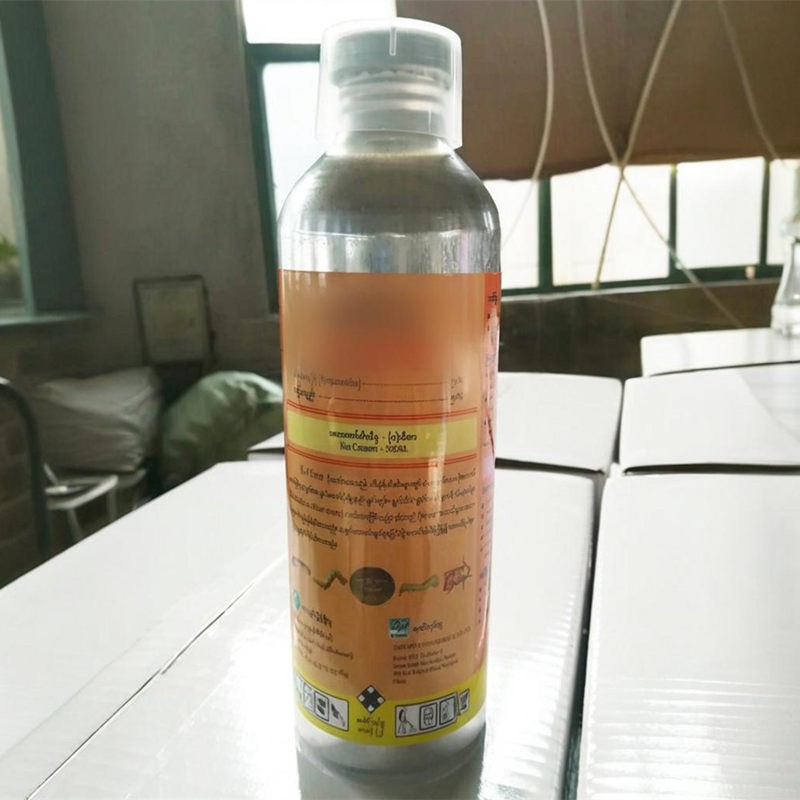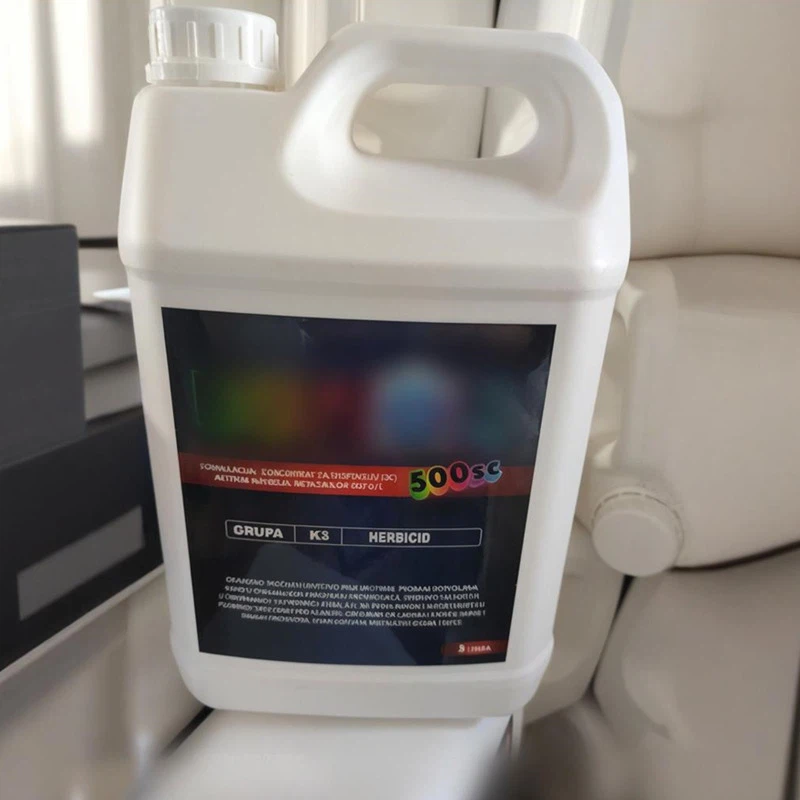
Fipronil is a widely used insecticide known for its effectiveness against a broad spectrum of pests. As a fipronil supplier, I often receive inquiries from customers about whether fipronil can be mixed with other chemicals. This blog post aims to provide a comprehensive and scientifically - based answer to this question.
Understanding Fipronil
Fipronil is a phenylpyrazole insecticide that disrupts the insect's central nervous system by blocking the passage of chloride ions through the gamma - aminobutyric acid (GABA) - regulated chloride channels. This leads to over - stimulation of the nervous system and eventually the death of the insect. It has excellent systemic and contact activity, making it suitable for use in various applications such as agriculture, public health, and veterinary medicine.
One of our popular products is Fipronil 200G/L SC, which is a suspension concentrate formulation. This formulation is easy to mix with water and can be applied through spraying, ensuring even distribution on the target area.
Factors to Consider When Mixing Fipronil with Other Chemicals
Chemical Compatibility
The first and most crucial factor is chemical compatibility. Different chemicals have different chemical structures and properties. When two or more chemicals are mixed, they may react with each other, leading to the formation of new compounds. These reactions can reduce the effectiveness of the pesticides, cause precipitation, or even produce toxic by - products.
For example, fipronil is generally stable under normal conditions. However, it may react with strong oxidizing agents or alkaline substances. Mixing fipronil with a highly alkaline chemical can lead to hydrolysis of the fipronil molecule, breaking it down into less effective or even non - effective components. Therefore, before mixing fipronil with any other chemical, it is essential to check the chemical properties of both substances and refer to the product labels or technical data sheets.

Biological Activity
Another important consideration is the biological activity of the mixture. The goal of mixing pesticides is often to achieve a broader spectrum of pest control or to enhance the overall effectiveness against specific pests. However, the combination of chemicals may also have unexpected effects on the target pests.
Some chemicals may act synergistically with fipronil. Synergism occurs when the combined effect of two chemicals is greater than the sum of their individual effects. For instance, certain adjuvants can improve the penetration of fipronil into the insect's cuticle, increasing its bioavailability and enhancing its insecticidal activity.
On the other hand, antagonism may also occur. Antagonism means that the combined effect of the two chemicals is less than the sum of their individual effects. This can happen when one chemical interferes with the mode of action of fipronil. For example, if a chemical blocks the GABA - regulated chloride channels in a different way from fipronil, it may reduce the ability of fipronil to bind to these channels, thereby decreasing its effectiveness.
Environmental Impact
Mixing fipronil with other chemicals can also have an impact on the environment. Different pesticides have different environmental fates, such as persistence in the soil, water solubility, and toxicity to non - target organisms.
When two or more pesticides are mixed, their combined environmental impact may be more complex. For example, a mixture may have a higher toxicity to beneficial insects, fish, or other non - target organisms compared to the individual pesticides. Additionally, the mixture may have a different persistence in the environment, which can affect the long - term quality of soil and water.
Examples of Compatible and Incompatible Mixtures
Compatible Mixtures
- Fipronil and Neonicotinoids: Neonicotinoids are another class of widely used insecticides. In some cases, fipronil can be mixed with neonicotinoids such as imidacloprid. These two insecticides have different modes of action. Fipronil acts on the GABA - regulated chloride channels, while neonicotinoids act on the nicotinic acetylcholine receptors in the insect's nervous system. The combination can provide a broader spectrum of pest control, targeting both sucking and chewing insects.
- Fipronil and Adjuvants: Adjuvants are substances added to pesticide formulations to improve their performance. Many adjuvants are compatible with fipronil. For example, non - ionic surfactants can improve the wetting and spreading properties of fipronil on the plant surface, increasing its coverage and effectiveness.
Incompatible Mixtures
- Fipronil and Strong Alkaline Substances: As mentioned earlier, fipronil is sensitive to alkaline conditions. Mixing fipronil with substances such as sodium hydroxide or potassium carbonate can lead to the degradation of fipronil. This can be easily observed by changes in the appearance of the mixture, such as precipitation or cloudiness.
- Fipronil and Some Fungicides: Some fungicides may contain chemicals that are incompatible with fipronil. For example, certain copper - based fungicides can react with fipronil, forming insoluble complexes that reduce the effectiveness of both pesticides.
Safety Precautions When Mixing Chemicals
- Read the Labels: Always read the product labels of both fipronil and the other chemical carefully before mixing. The labels provide important information about compatibility, application rates, and safety precautions.
- Conduct a Small - Scale Test: Before large - scale application, it is recommended to conduct a small - scale test. Mix a small amount of the two chemicals in a container and observe for any signs of incompatibility, such as precipitation, gas evolution, or changes in color.
- Use Personal Protective Equipment (PPE): When handling and mixing chemicals, always wear appropriate PPE, such as gloves, goggles, and a respirator. This can protect you from exposure to potentially harmful chemicals.
- Follow the Recommended Ratios: Use the recommended ratios of fipronil and the other chemical. Using too much or too little of either chemical can affect the effectiveness of the mixture and may also increase the risk of environmental pollution.
Conclusion
In conclusion, fipronil can be mixed with other chemicals in some cases, but it requires careful consideration of chemical compatibility, biological activity, and environmental impact. Before mixing fipronil with any other chemical, it is essential to conduct thorough research, refer to the product labels, and conduct small - scale tests.
As a fipronil supplier, we are committed to providing our customers with high - quality products and professional advice. If you have any questions about fipronil or its mixtures, please feel free to contact us for further discussion and potential procurement. We are always ready to assist you in finding the best pest control solutions for your specific needs.
References
- Tomlin, C. D. S. (Ed.). (2009). The Pesticide Manual: A World Compendium. BCPC.
- IUPAC. (2019). International Union of Pure and Applied Chemistry. Compendium of Chemical Terminology (the "Gold Book").