Can Fipronil be Used in Beekeeping?
As a supplier of fipronil, I often get asked about the suitability of fipronil in beekeeping. Fipronil is a well - known insecticide that has been used in various agricultural and pest - control applications for many years. However, its use in beekeeping is a topic that requires in - depth analysis and consideration.
Fipronil belongs to the phenylpyrazole class of insecticides. It works by disrupting the insect's central nervous system, specifically by blocking the gamma - aminobutyric acid (GABA) - gated chloride channels. This leads to over - stimulation of the nervous system, ultimately resulting in the death of the target insect. In traditional pest - control scenarios, this mode of action has proven to be highly effective against a wide range of pests, such as termites, ants, and cockroaches.
When it comes to beekeeping, bees are of utmost importance. They are not only responsible for honey production but also play a crucial role in pollination, which is essential for the growth of many crops. The question of whether fipronil can be used in beekeeping is a complex one, mainly because of the potential risks it poses to bees.
Studies have shown that fipronil is highly toxic to bees. Even at very low concentrations, it can have a significant impact on their behavior, navigation, and overall health. Bees exposed to fipronil may experience impaired flight ability, which makes it difficult for them to forage for food and return to the hive. This can lead to a decrease in the overall population of the hive over time. Additionally, fipronil can also affect the bees' immune system, making them more susceptible to diseases and parasites.
In the environment, fipronil can persist for a relatively long time. It can contaminate soil, water, and plants, which means that bees may come into contact with it even if it is not directly applied in the beekeeping area. For example, if fipronil is used on nearby agricultural fields, it can be carried by wind or water to the beehives, posing a threat to the bees.
Despite these risks, there may be some scenarios where the use of fipronil in beekeeping could be considered. One such situation could be in the control of specific pests that are harming the bee colonies. For instance, Varroa mites are a major problem in beekeeping. These mites attach themselves to bees and feed on their hemolymph, weakening the bees and spreading diseases. If other non - toxic or less - toxic control methods have failed, fipronil could potentially be used as a last resort. However, this would require extremely careful application and strict dosage control to minimize the impact on the bees.
If a beekeeper decides to use fipronil, it is crucial to follow all safety guidelines and regulations. The application should be done at a time when bees are less active, such as at night. The dosage should be carefully calculated based on the size of the hive and the severity of the pest problem. Protective measures should also be taken to prevent the spread of fipronil to other areas where bees may be present.
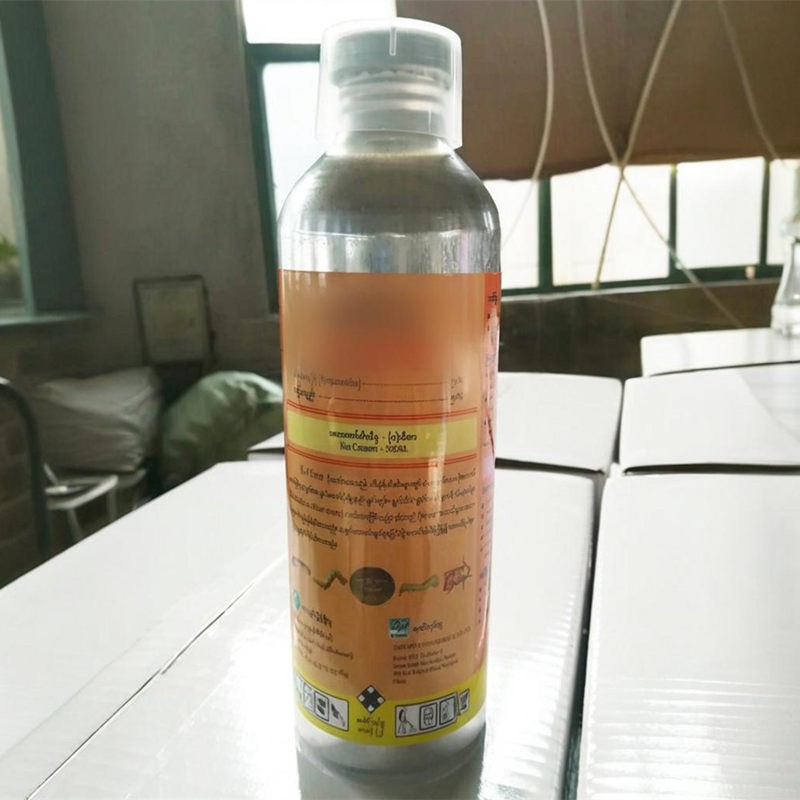
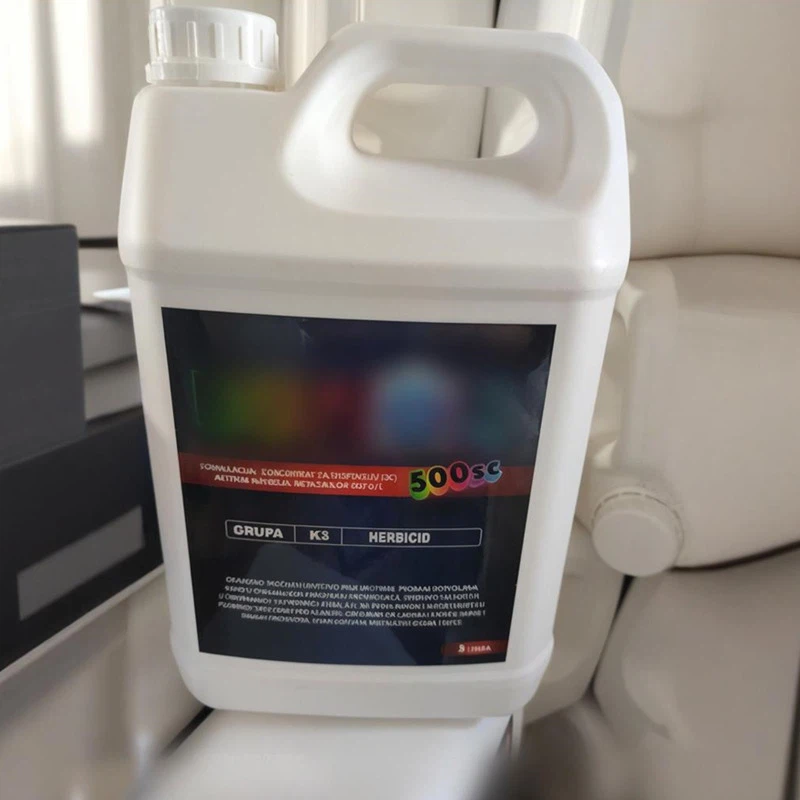
As a fipronil supplier, I understand the concerns of beekeepers. That's why we offer Fipronil 200G/L SC, a product that has been formulated with high - quality standards. Our product undergoes strict quality control to ensure its effectiveness and safety within the legal limits. However, we always emphasize that the use of fipronil in beekeeping should be a well - informed decision, taking into account all the potential risks and benefits.
It's important to note that many countries and regions have strict regulations regarding the use of fipronil in areas where bees are present. Some have even banned its use altogether in beekeeping or in close proximity to beehives. These regulations are in place to protect the bee population and the important ecological services they provide.
Beekeepers should also consider alternative pest - control methods before resorting to fipronil. There are natural and organic options available, such as essential oils, plant extracts, and biological control agents. These methods are generally less harmful to bees and the environment. For example, thyme oil has been shown to have some effectiveness against Varroa mites.

In conclusion, while fipronil can be a powerful tool in pest control, its use in beekeeping is a double - edged sword. The potential risks to bees are significant, but in certain limited situations, it could potentially be used as a last - resort option. If you are a beekeeper facing a pest problem and are considering using fipronil, I encourage you to do thorough research, consult with experts, and follow all relevant regulations.
If you are interested in learning more about our fipronil products or discussing the potential use of fipronil in beekeeping, we are here to assist you. Our team of experts can provide you with detailed information and guidance to help you make the best decision for your beekeeping operation. Please feel free to reach out to us to start a conversation about your specific needs and how our products might fit into your pest - control strategy.
References
- Thompson, H. M., & Pamminger, T. L. (1990). Pesticide toxicology in agriculture. Academic Press.
- Mullin, C. A., Frazier, M., Frazier, J. L., Ashcraft, S., Simonds, R., & vanEngelsdorp, D. (2010). High levels of miticides and agrochemicals in North American apiaries: implications for honey bee health. PLoS one, 5(3), e9754.
- Desneux, N., Decourtye, A., & Delpuech, J. M. (2007). The sublethal effects of pesticides on beneficial arthropods. Annual review of entomology, 52(1), 81 - 106.