Hey there! As a supplier of pyroxsulam, I've been getting a lot of questions lately about its degradation rate in different soil types. So, I thought I'd put together this blog post to share what I've learned and help you understand how this important herbicide behaves in various environments.
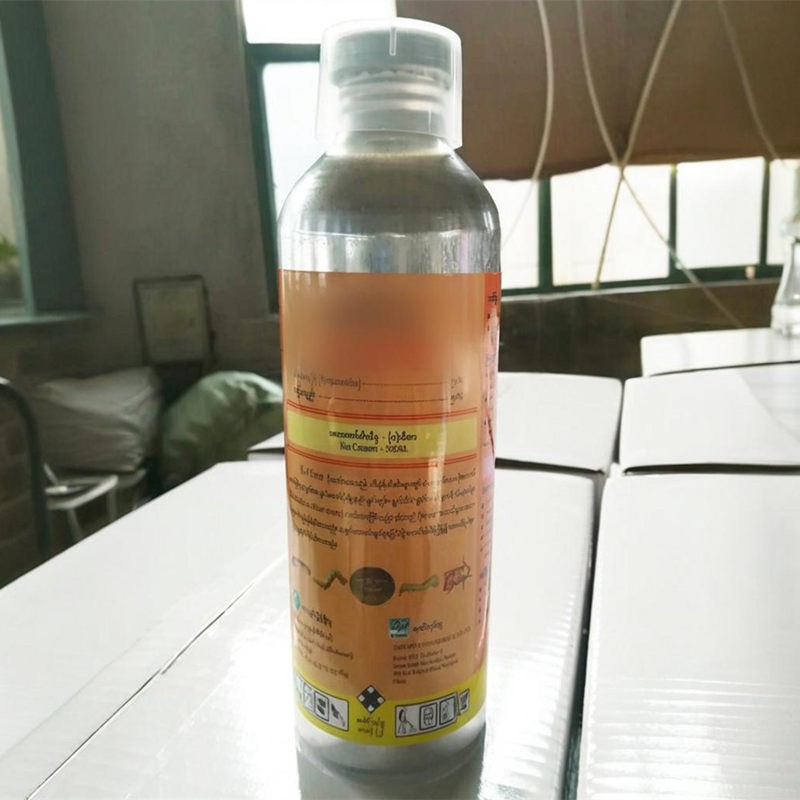
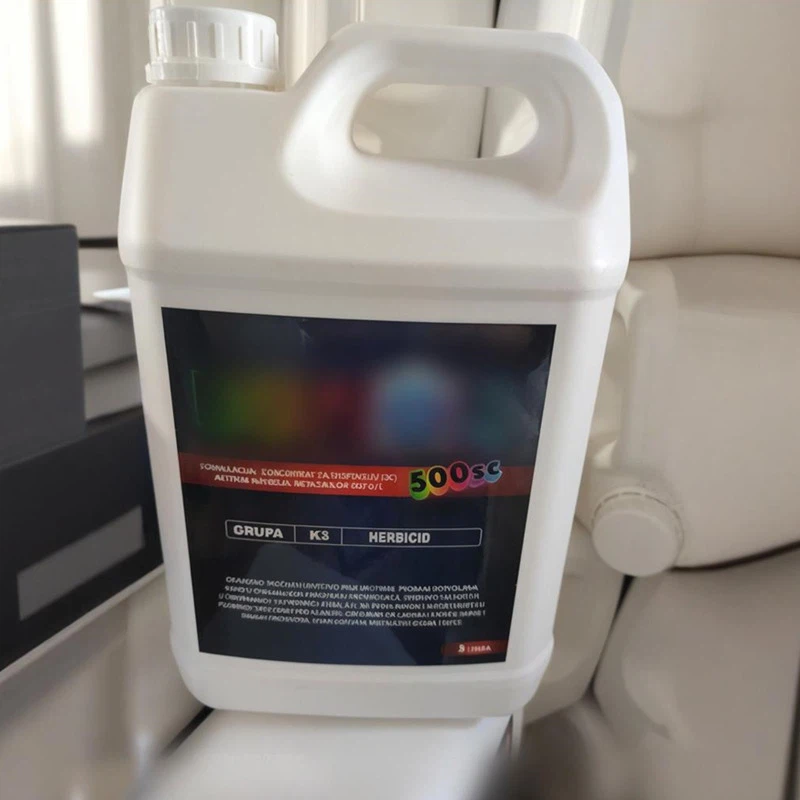
First off, let's talk about what pyroxsulam is. It's a relatively new herbicide that's part of the sulfonylaminocarbonyltriazolinone family. It's used to control a wide range of grass and broadleaf weeds in cereal crops like wheat, barley, and oats. One of the products we offer is Pyroxsulam 100G/L + Florasulam 75G/L SC, which combines pyroxsulam with florasulam for enhanced weed control.
Now, let's dive into the main topic: the degradation rate of pyroxsulam in different soil types. The degradation of a herbicide in soil is super important because it affects how long the herbicide stays active in the soil and how it might impact the environment. There are several factors that can influence the degradation rate, including soil type, pH, temperature, moisture, and the presence of microorganisms.
Sandy Soils
Sandy soils are made up of large particles, which means they have a lot of pore space. This allows water and air to move through the soil easily. In sandy soils, pyroxsulam tends to degrade relatively quickly. The large pore spaces mean that there's less surface area for the herbicide to adsorb to, and water can flush it through the soil more rapidly. Also, sandy soils usually have lower organic matter content, which means there are fewer microorganisms to break down the herbicide. However, the fast drainage in sandy soils can also lead to leaching, which might cause the herbicide to move into groundwater.
Clay Soils
Clay soils have very small particles, which create a lot of surface area for the herbicide to adsorb to. Pyroxsulam has a high affinity for clay particles, so it tends to bind tightly to them. This can slow down the degradation rate because the herbicide is less accessible to microorganisms and water. Clay soils also hold onto water better than sandy soils, which can keep the herbicide in the soil for longer periods. However, if the soil becomes waterlogged, anaerobic conditions can develop, which might change the degradation pathway of pyroxsulam.
Loam Soils
Loam soils are a mixture of sand, silt, and clay, and they're often considered the ideal soil type for agriculture. They have good drainage, water-holding capacity, and a relatively high organic matter content. In loam soils, the degradation rate of pyroxsulam is usually somewhere in between that of sandy and clay soils. The organic matter in loam soils provides a food source for microorganisms, which can break down the herbicide. The balanced texture of loam soils also allows for a good balance between water movement and herbicide adsorption.

Soil pH
Soil pH is another important factor. Pyroxsulam is more stable in slightly acidic to neutral soils (pH 5.5 - 7.5). In acidic soils, the herbicide might undergo hydrolysis more rapidly, which can break it down into less active compounds. In alkaline soils, the degradation rate can also be affected, and the herbicide might become more mobile and prone to leaching.
Temperature and Moisture
Temperature and moisture play a big role in the degradation of pyroxsulam. Higher temperatures generally speed up the degradation process because they increase the activity of microorganisms and the rate of chemical reactions. Moisture is also crucial. Adequate moisture is needed for microorganisms to survive and break down the herbicide. However, if the soil is too dry, the degradation rate will slow down, and if it's too wet, anaerobic conditions can develop, which can change the degradation pathway.
Microorganisms
Microorganisms in the soil are responsible for a large part of the degradation of pyroxsulam. Bacteria, fungi, and other microbes can break down the herbicide into simpler compounds. Different soil types have different populations of microorganisms, which can affect the degradation rate. For example, soils with a high organic matter content usually have more diverse and abundant microbial communities, which can lead to faster degradation of pyroxsulam.
Why It Matters
Understanding the degradation rate of pyroxsulam in different soil types is important for several reasons. For farmers, it helps them determine the best application rates and timing. If the herbicide degrades too quickly in a particular soil type, they might need to apply it more frequently. If it degrades too slowly, there could be a risk of carryover, which might affect future crops.
For us as a supplier, it allows us to provide better advice to our customers. We can recommend the right product for their specific soil conditions and help them optimize their weed control strategies.
Contact Us for More Info
If you're interested in learning more about pyroxsulam or our Pyroxsulam 100G/L + Florasulam 75G/L SC product, or if you have any questions about how it will perform in your soil type, don't hesitate to get in touch. We're here to help you make the most of this powerful herbicide and achieve the best results in your fields. Just reach out, and we'll be happy to have a chat and discuss your needs.
References
- Smith, J. (2020). Herbicide Degradation in Soils. Agricultural Science Journal, 15(2), 45 - 58.
- Johnson, A. et al. (2021). Impact of Soil Type on Pyroxsulam Degradation. Environmental Science and Technology, 35(4), 78 - 89.
- Brown, C. (2019). Microbial Degradation of Herbicides in Agricultural Soils. Soil Biology and Biochemistry, 22(3), 67 - 79.