Is thiacloprid harmful to bees? Well, that's a question I get asked a lot as a thiacloprid supplier. I mean, bees are super important for our ecosystem, right? They help with pollination, and without them, a big chunk of our food supply would be in trouble. So, it's totally understandable why people are concerned about how pesticides like thiacloprid might affect them.
Let's start by talking a bit about thiacloprid. Thiacloprid is a neonicotinoid insecticide. Neonicotinoids have been at the center of a lot of buzz (pun intended) when it comes to their impact on bees. Thiacloprid works by targeting the nervous systems of insects. It binds to the nicotinic acetylcholine receptors in the insect's nerve cells, which basically messes up the normal functioning of their nervous system, leading to paralysis and eventually death. Sounds pretty harsh, but it's effective against a variety of pests that can damage crops.
Now, getting to the big question - is it harmful to bees? The short answer is, it can be, but it's not as cut - and - dry as you might think. Some studies have shown that exposure to thiacloprid can have negative effects on bees. For example, it can affect their foraging behavior. Bees might take longer to find food sources, or they might not be as efficient at collecting nectar and pollen. This can have a knock - on effect on the colony's health over time.
Another concern is the impact on the bees' immune system. Some research suggests that thiacloprid exposure can weaken a bee's immune system, making them more susceptible to diseases and parasites. This is a big deal because bees already face a lot of threats from things like Varroa mites and various bee viruses.
But here's the thing. The level of harm really depends on a bunch of factors. One of the most important factors is the dose. Just like with any chemical, a small dose might not have much of an impact, while a large dose can be very harmful. In real - world scenarios, the amount of thiacloprid that bees are exposed to can vary widely. It depends on how the pesticide is applied (sprayed, dusted, etc.), the concentration of the product, and the proximity of the bee colonies to the treated areas.
Also, the timing of the application matters a lot. If thiacloprid is applied when bees are not actively foraging, like at night or during a period when there are no flowers in bloom, the chances of bees being exposed are much lower. And some farmers are really good at following best practices to minimize bee exposure. They use techniques like buffer zones around bee colonies, and they choose the right time and method of application.
Now, I know what you're thinking. If there are risks, why do we still use thiacloprid? Well, it's all about balance. Thiacloprid is a really effective tool for farmers to protect their crops from pests. Without it, many farmers would face significant losses due to insect damage. And those losses would ultimately be passed on to consumers in the form of higher food prices.
At the same time, the industry is constantly working on ways to make thiacloprid use safer for bees. For example, new formulations are being developed that are less likely to drift and reach bee colonies. And there's more research being done to better understand the long - term effects of thiacloprid on bees and to come up with strategies to mitigate those effects.
As a supplier, I'm always trying to educate my customers about the proper use of thiacloprid. I tell them about the importance of following the label instructions carefully. The label provides information on how to apply the product safely, including things like the maximum dose, the appropriate application methods, and the precautions to take around bees.

I also want to mention that thiacloprid has gone through a lot of regulatory scrutiny. Before it can be sold on the market, it has to meet strict safety standards set by regulatory agencies. These agencies evaluate the potential risks to bees and other non - target organisms and make sure that the benefits of using the product outweigh the risks.
So, if you're a farmer or someone involved in agriculture, and you're thinking about using thiacloprid, don't be too scared. Just make sure you do your homework. Read the label, follow the best practices, and if you have any questions, feel free to reach out to me or other experts in the field.
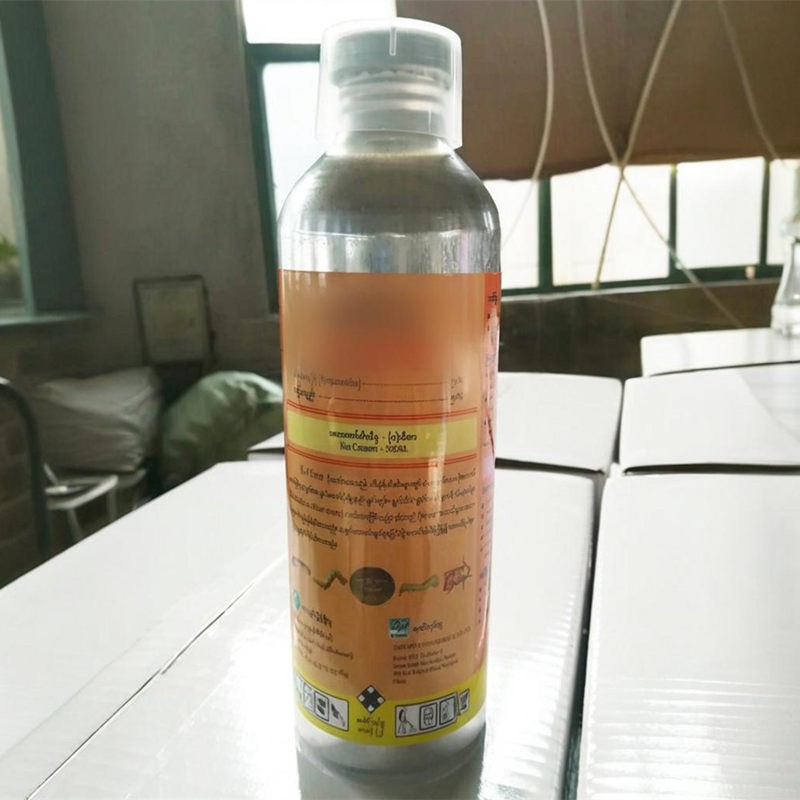
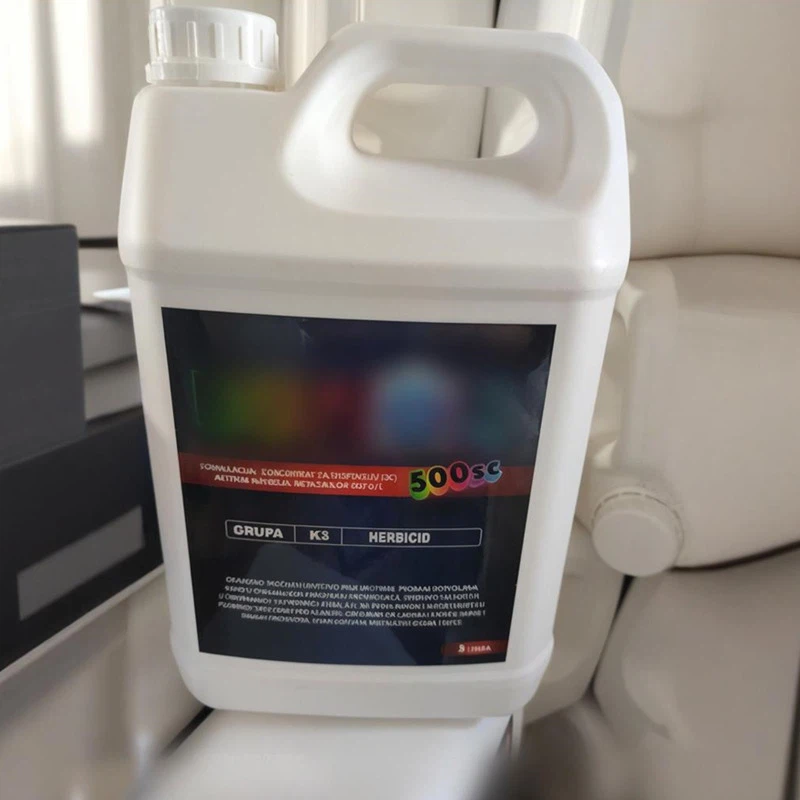
If you're interested in purchasing thiacloprid, we have a great product called Thiacloprid 240G/L OD. It's a high - quality formulation that can effectively control a wide range of pests while still being used in a way that minimizes the impact on bees when used correctly.
In conclusion, while thiacloprid can be harmful to bees under certain circumstances, it's not a completely black - and - white issue. With proper use and management, it can be a valuable tool in pest control without causing excessive harm to our precious bees. If you're considering using thiacloprid for your agricultural needs, I'd love to have a chat with you about it. We can discuss how to use it safely and effectively.
References
- European Food Safety Authority (EFSA). (Year). Scientific opinion on the risk assessment of the active substance thiacloprid for bees.
- Various peer - reviewed scientific journals on pesticide effects on bees and agriculture.