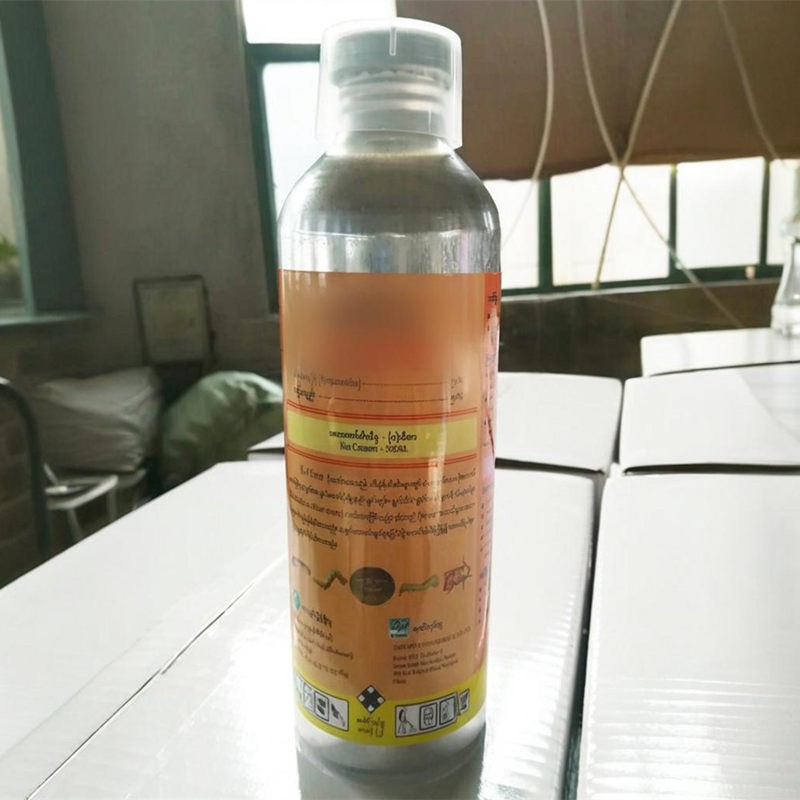
Hey there, fellow farmers and agricultural enthusiasts! I'm an imazapic supplier, and today I want to have an in - depth chat about whether imazapic can be used in agricultural fields.
First off, let's get to know imazapic a bit better. Imazapic is a herbicide from the imidazolinone family. It's pretty well - known in the agricultural community for its effectiveness in controlling a wide range of weeds. But can it really be a good fit for your agricultural fields?
One of the biggest advantages of using imazapic in agricultural fields is its broad - spectrum weed control. It can take out many different types of grassy and broad - leaf weeds. Whether it's those pesky annual weeds or some tough - to - handle perennial ones, imazapic has got you covered. For instance, in soybean fields, it can effectively control weeds like pigweed and foxtail, which would otherwise compete with the soybeans for nutrients, water, and sunlight. This means that your crops can grow more vigorously and potentially yield better.
Another great thing about imazapic is its residual activity. Once it's applied to the soil, it can stay there for a certain period, providing long - term weed control. This is super useful as it reduces the need for frequent re - applications. You don't have to keep spraying herbicides every few weeks, which saves you both time and money in the long run.
However, it's not all sunshine and rainbows. There are some factors that you need to consider before using imazapic in your fields. One of the main concerns is its potential for crop injury. Some crops are more sensitive to imazapic than others. For example, certain varieties of corn may show signs of stunted growth or yellowing if exposed to imazapic. So, it's crucial to know which crops are tolerant to imazapic and which ones aren't. You can usually find this information on the product label or by doing some research.
Soil type also plays a big role. Imazapic can behave differently depending on whether you have sandy soil, loamy soil, or clay soil. In sandy soil, it may leach more quickly, which could reduce its effectiveness and also pose a risk of contaminating groundwater. On the other hand, in clay soil, it may bind more tightly, and the residual activity may be longer than expected. This could potentially affect the rotation of crops in the following seasons.
Now, let's talk about the environmental impact. Like any herbicide, imazapic can have an impact on non - target organisms. It may harm beneficial insects such as bees and ladybugs if they come into contact with it. Also, it can have an effect on soil microorganisms, which are essential for soil health. But if used properly, following the recommended application rates and safety guidelines, the negative impacts can be minimized.
If you're still on the fence about using imazapic, you might want to consider some alternatives or complementary products. For example, Imazethapyr 100G/L SL is another herbicide that can be used in combination with imazapic in some cases. It has its own unique properties and can help in controlling different types of weeds, giving you a more comprehensive weed - control strategy.
When it comes to using imazapic in your agricultural fields, proper application techniques are key. You need to make sure you're using the right equipment for spraying. A well - calibrated sprayer can ensure that the herbicide is applied evenly across the field. Also, the timing of application matters a lot. Applying imazapic at the right growth stage of the weeds can significantly increase its effectiveness.
In addition, storage and handling of imazapic are important. You should store it in a cool, dry place away from food, feed, and water sources. And when handling it, always wear the appropriate protective gear, such as gloves and goggles, to avoid any potential health risks.
So, can imazapic be used in agricultural fields? The answer is yes, but with careful consideration. If you understand its pros and cons, take into account the specific conditions of your fields, and follow the best practices for application, it can be a valuable tool in your weed - control arsenal.
If you're interested in learning more about imazapic or are thinking about making a purchase, I'd love to have a chat with you. We can discuss the best solutions for your agricultural needs, and I can provide you with all the necessary information and support. Don't hesitate to reach out for a friendly and informative discussion about how imazapic can work for your fields.

References
- "Herbicide Handbook" by Weed Science Society of America
- Various research papers on imidazolinone herbicides from agricultural universities