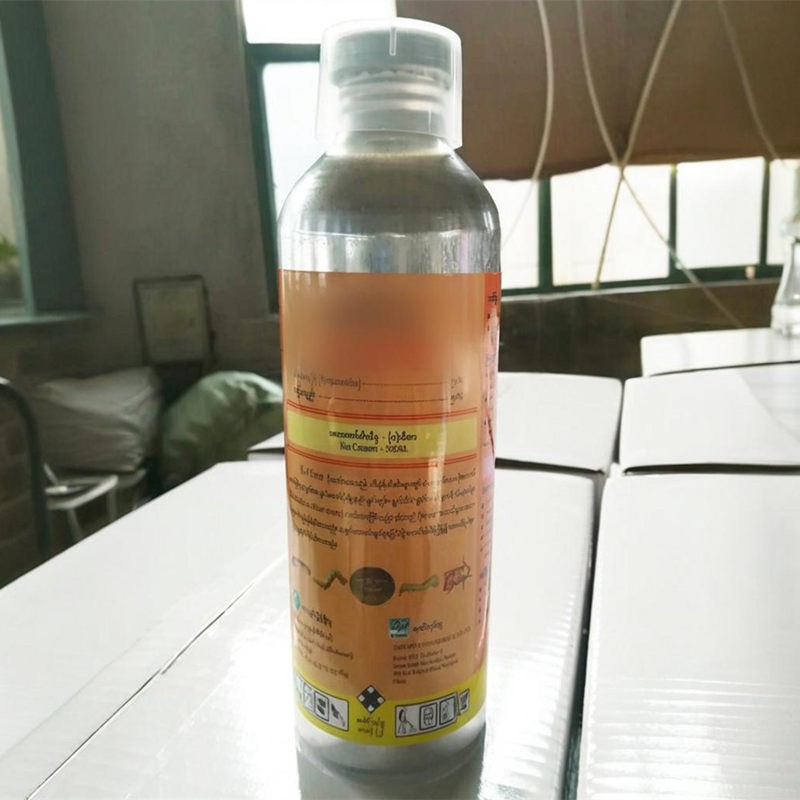
As a thiamethoxam supplier, I often receive inquiries from farmers, pest control professionals, and agricultural enthusiasts about whether thiamethoxam can be mixed with other pesticides. This is a crucial question as proper pesticide mixing can enhance pest control efficiency, save time and labor, and reduce costs. However, incorrect mixing can lead to reduced efficacy, phytotoxicity, and environmental hazards. In this blog post, I will delve into the science behind thiamethoxam mixing, discuss compatible and incompatible pesticides, and provide guidelines for safe and effective mixing.
Understanding Thiamethoxam
Thiamethoxam is a second - generation neonicotinoid insecticide known for its broad - spectrum activity against a wide range of sucking and chewing insects, including aphids, whiteflies, thrips, and beetles. It works by binding to the nicotinic acetylcholine receptors in the insect's nervous system, causing paralysis and ultimately death.
One of the advantages of thiamethoxam is its high water solubility, systemicity, and long - lasting residual effect. It can be applied through various methods such as foliar spray, soil drench, and seed treatment. Moreover, its low toxicity to mammals and relatively low impact on beneficial insects make it a popular choice in modern agriculture. You can learn more about our Thiamethoxam 350G/L SC, which is a high - quality formulation of thiamethoxam suitable for different application scenarios.
Compatibility of Thiamethoxam with Other Pesticides
Compatible Pesticides
-
Pyrethroids: Pyrethroids are synthetic insecticides that mimic the natural insecticidal compounds found in chrysanthemum flowers. They work by disrupting the sodium channels in the insect's nerve cells. Thiamethoxam and pyrethroids have different modes of action, which means they can be used together to target a broader spectrum of insects and reduce the risk of resistance development. For example, a combination of thiamethoxam and lambda - cyhalothrin can effectively control both sucking and chewing insects in many crops.

-
Organophosphates: Although the use of some organophosphates is restricted due to their high toxicity, certain less - toxic organophosphate pesticides can still be mixed with thiamethoxam. Organophosphates inhibit the activity of acetylcholinesterase, an enzyme that breaks down acetylcholine in the insect's nervous system. When combined with thiamethoxam, they can produce a synergistic effect in controlling pests such as aphids and caterpillars.
-
Fungicides: In some cases, thiamethoxam can be mixed with certain fungicides. For instance, fungicides that are used to control common fungal diseases like powdery mildew and rust, such as azoxystrobin or tebuconazole, can be mixed with thiamethoxam. This combination allows for the simultaneous control of both insect pests and fungal diseases, which is especially useful in integrated pest management (IPM) programs.
Incompatible Pesticides
- Alkaline Pesticides: Thiamethoxam is stable under acidic to slightly neutral conditions. Mixing it with alkaline pesticides can cause hydrolysis of thiamethoxam, leading to reduced efficacy. Pesticides with a high pH value, such as some copper - based fungicides and certain mineral oils, should not be mixed with thiamethoxam.
- Pesticides with Similar Modes of Action: Mixing thiamethoxam with other neonicotinoid insecticides is generally not recommended. Using multiple neonicotinoids together increases the selection pressure on insects, which can accelerate the development of resistance. For example, imidacloprid, another popular neonicotinoid, should not be mixed with thiamethoxam.
Guidelines for Mixing Thiamethoxam with Other Pesticides
- Read the Labels: Always read the product labels of both thiamethoxam and the other pesticides thoroughly before mixing. The labels provide information on compatibility, mixing ratios, application rates, and safety precautions. If the label of either pesticide states that it should not be mixed with other products, follow the instructions strictly.
- Perform a Jar Test: Before making a large - scale mixture, it is advisable to conduct a small - scale jar test. Take a small container and add small amounts of each pesticide according to the recommended ratios. Shake the container gently and observe for any signs of precipitation, flocculation, or separation. If any negative reactions occur, do not mix the pesticides in large quantities.
- Follow the Correct Mixing Order: Generally, it is recommended to add water to the spray tank first, followed by wettable powders, flowables, and then emulsifiable concentrates. Thiamethoxam is usually added after the water and other solid or liquid formulations have been well - mixed. This helps to ensure uniform mixing and prevents clumping.
- Use the Mixture Immediately: Once the pesticides are mixed, use the solution as soon as possible. Storing the mixed solution for an extended period may lead to chemical reactions or degradation, reducing its effectiveness.
Safety Considerations
When mixing and applying pesticides, safety should be the top priority. Wear appropriate personal protective equipment (PPE), such as gloves, goggles, and a respirator. Avoid contact with the skin, eyes, and clothing. Follow all local, state, and federal regulations regarding pesticide use and disposal.
Conclusion
In conclusion, thiamethoxam can be mixed with certain other pesticides to enhance pest control effectiveness, but it is essential to do so with caution. Understanding the compatibility of thiamethoxam with other pesticides, following the proper mixing guidelines, and adhering to safety precautions are crucial for successful and safe pesticide application.
If you are interested in purchasing high - quality thiamethoxam products or have any questions about pesticide mixing, please feel free to contact us. We are committed to providing you with the best products and professional technical support to meet your agricultural needs.
References
- Tomlin, C. D. S. (Ed.). (2011). The Pesticide Manual: A World Compendium (15th ed.). BCPC.
- Ma, P., & Zhang, Z. (2018). Neonicotinoid insecticides: Mechanisms, applications, and resistance management. Journal of Integrative Agriculture, 17(1), 1 - 12.