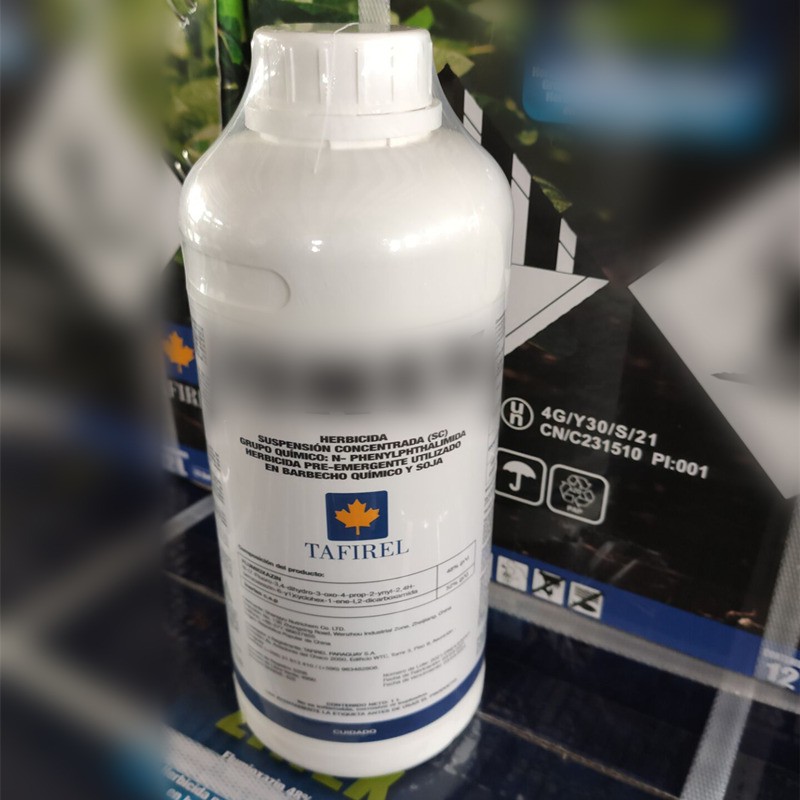
Hey there, fellow garden enthusiasts! As a supplier of imazapic, I often get asked whether this herbicide can be used in gardens. Well, that's what we're going to dig into today.
First off, let's talk a bit about what imazapic is. Imazapic is a type of herbicide that belongs to the imidazolinone family. It works by inhibiting the enzyme acetolactate synthase (ALS) in plants. This enzyme is crucial for the synthesis of certain amino acids, and when it's blocked, the plant can't grow and eventually dies. Sounds pretty powerful, right?
Now, the big question: Can it be used in gardens? The answer is a bit of a mixed bag. On one hand, imazapic has some real advantages that could make it a good fit for garden use.
One of the main benefits of imazapic is its broad - spectrum activity. It can control a wide range of grasses and broadleaf weeds. Whether you're dealing with crabgrass, foxtail, or some pesky broadleaf invaders like pigweed, imazapic can often take them out. This means you don't have to juggle multiple herbicides to get rid of different types of weeds.
Another plus is its long - lasting effect. Once applied, imazapic can keep working in the soil for an extended period. This provides ongoing weed control, which is super handy in a garden where you don't want to be constantly spraying herbicides. You can have a more hands - off approach to weed management for a while.
However, there are also some significant drawbacks and considerations when it comes to using imazapic in gardens.
One major concern is its selectivity. Imazapic is not very selective, which means it can harm not only the weeds but also many desirable plants in your garden. If you have a flower bed full of delicate annuals or perennials, or a vegetable garden with various crops, imazapic might damage them. Some plants are more sensitive to imazapic than others. For example, legumes like beans and peas are often quite sensitive, and even a small amount of imazapic can stunt their growth or kill them.
The persistence of imazapic in the soil can also be a double - edged sword. While it provides long - term weed control, it can also stay in the soil for so long that it may affect future plantings. If you plan to rotate your crops or plant new flowers in the same area, the residual imazapic in the soil could still be active and harm the new plants.
There are also environmental considerations. Imazapic can potentially leach into groundwater if not applied correctly. This is a big deal because it can contaminate water sources and have negative impacts on aquatic life. So, if you live near a water body, using imazapic in your garden might not be the best idea.
If you're still considering using imazapic in your garden, here are some tips to help you use it safely and effectively.
First, do a small test patch. Before applying imazapic to a large area of your garden, choose a small, out - of - the - way spot and apply a small amount of the herbicide. Monitor the area closely for a few weeks to see how both the weeds and your desirable plants react. This will give you an idea of whether imazapic is suitable for your garden.
Second, follow the label instructions carefully. The label on the imazapic product will provide detailed information on how to apply it, the correct dosage, and any safety precautions. Make sure you read and understand all of this information before using the herbicide.
Third, consider using it in combination with other weed control methods. For example, you can use mechanical methods like hand - weeding or mulching in addition to imazapic. This can reduce the amount of imazapic you need to use and minimize the potential negative impacts on your garden.
Now, let's talk about some alternatives to imazapic for garden weed control. There are many natural and chemical alternatives available.
Natural alternatives include using vinegar, which can be an effective weed killer for small, young weeds. You can also use boiling water to pour on weeds in sidewalk cracks or areas where you don't want any plants growing. Another option is to use corn gluten meal, which is a natural pre - emergent herbicide that can prevent weed seeds from germinating.
If you're looking for a chemical alternative that is more selective, you might want to check out Imazethapyr 100G/L SL. It's also from the imidazolinone family but has a different selectivity profile and may be less harmful to some desirable plants in your garden.

In conclusion, imazapic can be used in gardens, but it's not a one - size - fits - all solution. You need to weigh the pros and cons carefully, consider the specific plants in your garden, and take all the necessary precautions to use it safely. If you have any questions about imazapic or need more information on how to use it in your garden, don't hesitate to reach out to me. I'm here to help you make the best decision for your garden. Whether you're a beginner gardener or a seasoned pro, I can provide you with the right advice and products to keep your garden looking its best. So, if you're interested in purchasing imazapic or discussing your weed control needs further, just get in touch, and we can start a conversation about how I can assist you.
References
- "Herbicide Handbook" by the Weed Science Society of America
- Various research papers on imazapic's effects on plants and the environment published in scientific journals such as "Weed Technology" and "Journal of Environmental Quality"