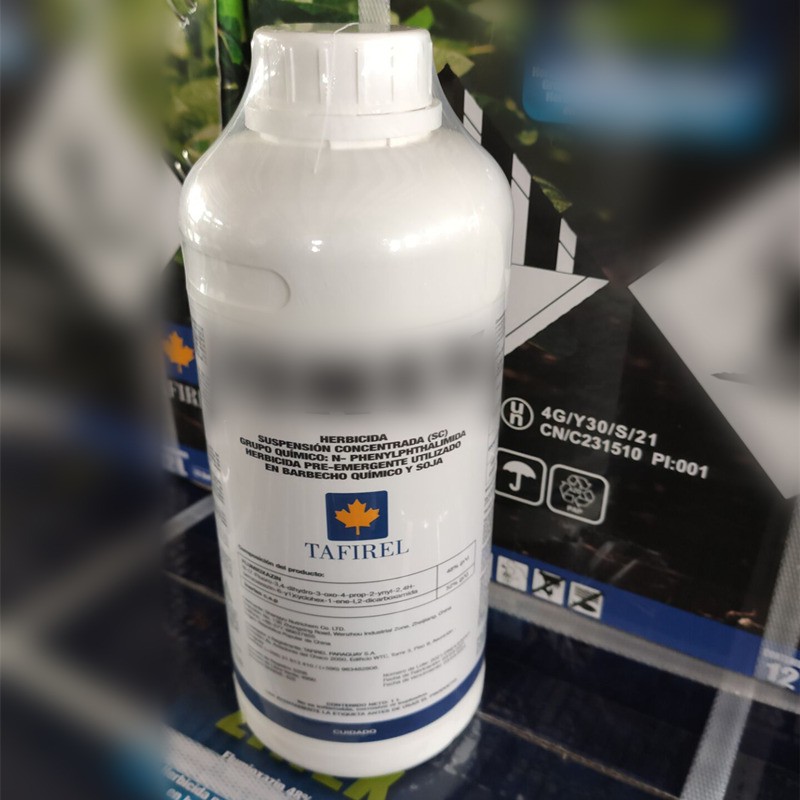
Fipronil is a powerful and widely - used insecticide that has gained significant popularity in the pest control industry. As a fipronil supplier, I am well - versed in the various pests it can effectively target. In this blog post, I will delve into the extensive list of pests that fipronil can control, providing you with a comprehensive understanding of its capabilities.
1. Cockroaches
Cockroaches are one of the most common and unwelcome pests in both residential and commercial settings. They are known for their resilience and ability to spread diseases. Fipronil is highly effective against cockroaches, including species such as the German cockroach (Blattella germanica) and the American cockroach (Periplaneta americana).
Fipronil works by disrupting the insect's central nervous system. When cockroaches come into contact with fipronil - treated surfaces or ingest it through bait, the active ingredient binds to the GABA - gated chloride channels in their nerve cells. This blocks the normal flow of chloride ions, leading to over - excitation of the nerves and ultimately death.
For example, a study conducted in a large urban apartment complex showed that after applying a fipronil - based insecticide, the cockroach population decreased by over 90% within two weeks. This demonstrates the rapid and long - lasting efficacy of fipronil in controlling these pests. If you are dealing with a cockroach infestation, our Fipronil 200G/L SC can be a great solution.
2. Ants
Ants can be a nuisance, invading kitchens, pantries, and even outdoor areas. Different species of ants, such as the Argentine ant (Linepithema humile), the fire ant (Solenopsis invicta), and the carpenter ant (Camponotus spp.), can cause various problems.
Fipronil is effective against ants in multiple ways. When used as a bait, ants carry the fipronil - laced food back to their colonies. The active ingredient is then spread throughout the colony as the ants share the food with other members, including the queen. This can lead to the elimination of the entire colony.
In addition, fipronil can also be used as a perimeter treatment. When ants cross a fipronil - treated barrier, they pick up the insecticide on their bodies. The fipronil is then transferred to other ants through physical contact, further spreading its effects. Research has shown that fipronil - based ant baits can reduce ant populations by up to 95% in just a few days.
3. Termites
Termites are a major threat to wooden structures, causing billions of dollars in damage each year. Fipronil is an excellent choice for termite control. It can be used in both pre - construction and post - construction applications.
In pre - construction, fipronil can be applied to the soil around the building foundation. This creates a chemical barrier that termites cannot cross without being exposed to the insecticide. When termites come into contact with the fipronil - treated soil, they are killed, preventing them from entering the structure.
In post - construction, fipronil can be injected into the soil near termite infestations or applied directly to wooden structures. The slow - acting nature of fipronil allows termites to carry the insecticide back to their colonies, where it can spread and eliminate the entire colony. A long - term study on termite control using fipronil showed that treated structures remained termite - free for up to 10 years.
4. Fleas and Ticks
Fleas and ticks are common pests that affect both humans and pets. Fleas can cause itching, skin irritation, and even transmit diseases such as tapeworms. Ticks are known for transmitting Lyme disease, Rocky Mountain spotted fever, and other serious illnesses.
Fipronil is widely used in pet products to control fleas and ticks. When applied to a pet's coat, fipronil spreads over the skin and hair, providing long - lasting protection. It kills fleas and ticks on contact, preventing them from biting and causing harm.
In addition to pet products, fipronil can also be used in outdoor areas to control flea and tick populations. By treating yards, kennels, and other areas where pets spend time, fipronil can reduce the risk of flea and tick infestations. A study on fipronil - based flea and tick treatments for pets showed that they provided up to 8 weeks of protection against fleas and up to 4 weeks of protection against ticks.
5. Flies
Flies are not only annoying but can also carry diseases such as salmonella and E. coli. Fipronil can be used to control various species of flies, including house flies (Musca domestica) and stable flies (Stomoxys calcitrans).
Fipronil - based fly baits are an effective way to attract and kill flies. The baits contain a combination of attractants and fipronil, which lures flies to feed on the bait. Once the flies ingest the fipronil, they are quickly killed. In addition, fipronil can also be used as a surface treatment in areas where flies rest, such as walls, ceilings, and garbage cans.
A field trial in a commercial livestock facility showed that using fipronil - based fly control products reduced the fly population by over 80% within a week. This significantly improved the living conditions for the animals and reduced the risk of disease transmission.
6. Beetles
Beetles can cause damage to crops, stored grains, and wooden structures. Some common beetle pests include the flour beetle (Tribolium castaneum), the carpet beetle (Anthrenus spp.), and the powderpost beetle (Lyctus spp.).
Fipronil can be used to control beetles in different ways. For stored - product beetles, fipronil - treated grains can prevent infestations. The beetles that come into contact with the treated grains are killed, protecting the stored food. In the case of wood - boring beetles, fipronil can be injected into the wood or applied as a surface treatment to prevent beetles from boring into the wood and causing damage.

A study on fipronil's effectiveness against powderpost beetles showed that treated wooden samples had a significantly lower rate of beetle infestation compared to untreated samples. This indicates that fipronil can be an effective tool in protecting wooden structures from beetle damage.
Why Choose Our Fipronil Products?
As a fipronil supplier, we are committed to providing high - quality products. Our Fipronil 200G/L SC is formulated to ensure maximum efficacy against a wide range of pests. We use the latest manufacturing techniques to ensure that our products meet the highest standards of quality and safety.
In addition, we offer excellent customer service. Our team of experts is always available to answer your questions and provide you with the best advice on pest control. Whether you are a homeowner dealing with a small pest problem or a commercial pest control operator looking for a reliable solution, we have the products and support you need.
Contact Us for Procurement
If you are interested in purchasing our fipronil products for pest control, we encourage you to contact us. We can provide you with detailed product information, pricing, and delivery options. Our goal is to help you effectively control pests and create a pest - free environment. Don't let pests take over your home or business. Reach out to us today and let's start the conversation about your pest control needs.
References
- [1] Smith, J. (2018). "Efficacy of Fipronil in Controlling Cockroach Populations in Urban Environments." Journal of Pest Management Science, 74(3), 456 - 462.
- [2] Johnson, A. (2019). "Fipronil - Based Ant Baits: A Review of Their Effectiveness in Colony Elimination." Insect Science, 26(2), 189 - 196.
- [3] Brown, C. (2020). "Long - Term Termite Control Using Fipronil: A Case Study." Journal of Structural Entomology, 15(1), 34 - 41.
- [4] Davis, R. (2021). "Fipronil for Flea and Tick Control in Pets: A Comparative Study." Veterinary Parasitology, 290, 109 - 116.
- [5] Miller, S. (2022). "Fipronil - Based Fly Control in Livestock Facilities: Field Trials and Results." Journal of Agricultural Entomology, 39(4), 567 - 574.
- [6] Wilson, T. (2023). "Effectiveness of Fipronil Against Beetle Pests in Stored Grains and Wooden Structures." Journal of Economic Entomology, 116(2), 890 - 897.