Can imidacloprid be used on cotton?
As a supplier of imidacloprid, I often receive inquiries from farmers and agricultural professionals about the suitability of imidacloprid for cotton crops. This is a crucial question considering the economic importance of cotton and the need for effective pest management. In this blog, I will delve into the details of using imidacloprid on cotton, exploring its benefits, potential drawbacks, and best practices.
Understanding Imidacloprid
Imidacloprid is a neonicotinoid insecticide that has gained widespread use in agriculture since its introduction in the 1990s. It acts on the central nervous system of insects, causing paralysis and ultimately death. Its mode of action makes it highly effective against a broad spectrum of sucking and chewing insects, including aphids, whiteflies, thrips, and some beetles.
One of the key advantages of imidacloprid is its systemic nature. When applied to the soil or as a seed treatment, it is absorbed by the plant and translocated throughout the tissues. This means that insects feeding on any part of the plant, including the roots, stems, leaves, and even the developing cotton bolls, will be exposed to the insecticide. This systemic activity provides long - lasting protection against pests, reducing the need for multiple spray applications.
Benefits of Using Imidacloprid on Cotton
Pest Control
Cotton is susceptible to a variety of pests that can cause significant yield losses. Aphids, for example, can suck the sap from cotton plants, leading to stunted growth, reduced photosynthesis, and the transmission of plant viruses. Whiteflies are another major pest, which not only feed on the plant but also secrete honeydew, promoting the growth of sooty mold. Imidacloprid can effectively control these pests, protecting the cotton crop from damage and ensuring healthy growth.
For instance, in regions where cotton aphids are a persistent problem, seed treatments with imidacloprid can provide early - season protection, allowing the young cotton plants to establish a strong root system and grow vigorously. As the plants develop, the systemic imidacloprid continues to protect against aphids and other pests, reducing the need for foliar insecticide sprays.

Yield Improvement
By controlling pests, imidacloprid can contribute to increased cotton yields. When pests are kept in check, cotton plants can allocate more resources to growth and development, resulting in larger bolls and higher fiber quality. Studies have shown that the use of imidacloprid in cotton production can lead to yield increases ranging from 10% to 20% in some cases, depending on the pest pressure and growing conditions.
Cost - Effectiveness
Imidacloprid can be a cost - effective solution for cotton pest management. As a systemic insecticide, it can provide long - term protection with fewer applications compared to traditional contact insecticides. This reduces labor and equipment costs associated with spraying, as well as the amount of insecticide used. Additionally, the potential yield increases associated with imidacloprid use can offset the cost of the product, making it a worthwhile investment for cotton farmers.
Potential Drawbacks and Considerations
Resistance Development
One of the main concerns with the use of imidacloprid on cotton is the potential for pest resistance. Over time, repeated use of the same insecticide can select for resistant populations of pests. This has been observed in some regions where aphids and whiteflies have developed resistance to imidacloprid. To mitigate this risk, it is important to use imidacloprid as part of an integrated pest management (IPM) program. This may include rotating with other insecticides with different modes of action, using biological control agents, and implementing cultural practices such as crop rotation and sanitation.
Environmental Impact
Neonicotinoids, including imidacloprid, have been the subject of environmental concerns, particularly regarding their potential impact on pollinators such as bees. While the risk to bees from imidacloprid used on cotton may be relatively low compared to some other crops, it is still important to follow best management practices to minimize exposure. This includes avoiding spraying during bloom when bees are most active and using appropriate application rates and methods.
Regulatory Restrictions
In some countries and regions, there may be regulatory restrictions on the use of imidacloprid. These restrictions are often based on environmental and human health concerns. Before using imidacloprid on cotton, it is essential to check the local regulations and ensure compliance with all applicable laws and guidelines.
Best Practices for Using Imidacloprid on Cotton
Seed Treatment
Seed treatment is one of the most common and effective ways to use imidacloprid on cotton. It provides early - season protection to the emerging seedlings, which are particularly vulnerable to pests. When using imidacloprid as a seed treatment, it is important to follow the manufacturer's instructions regarding the application rate and method. The treated seeds should be stored and handled properly to ensure the effectiveness of the treatment.
Soil Application
Soil application of imidacloprid can also be an effective method, especially in situations where there is a high risk of root - feeding pests. The insecticide can be applied as a granular formulation or through drip irrigation systems. When applying imidacloprid to the soil, it is important to ensure proper incorporation into the soil to maximize its availability to the plant roots.
Foliar Application
Foliar application of imidacloprid may be necessary in some cases, such as when there is a severe pest infestation that cannot be controlled by seed or soil treatments alone. However, foliar applications should be used sparingly to reduce the risk of resistance development and environmental impact. When applying imidacloprid as a foliar spray, it is important to use the appropriate equipment and follow the recommended application rates and timing.
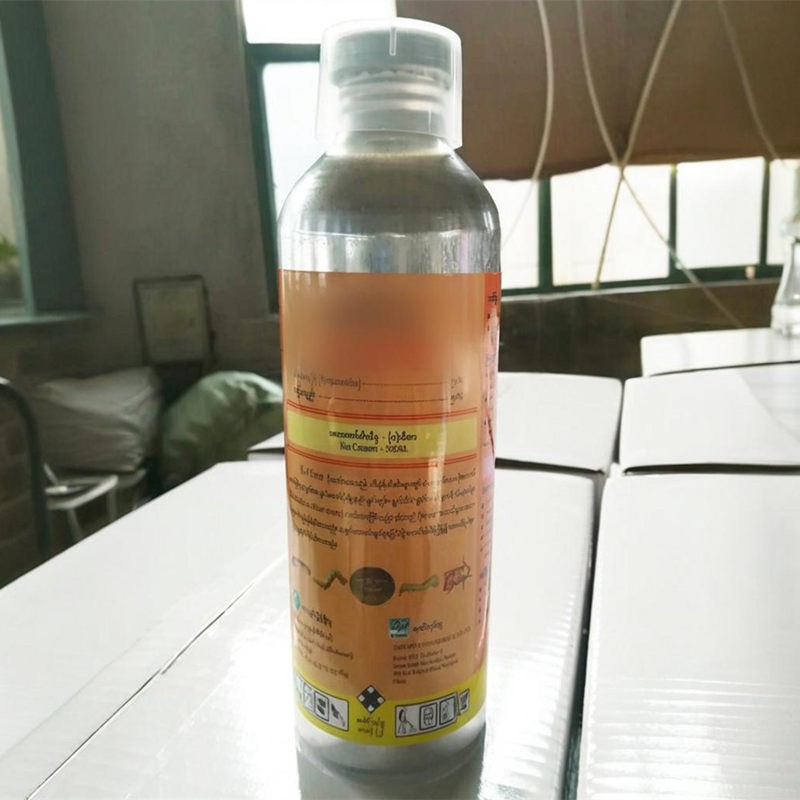
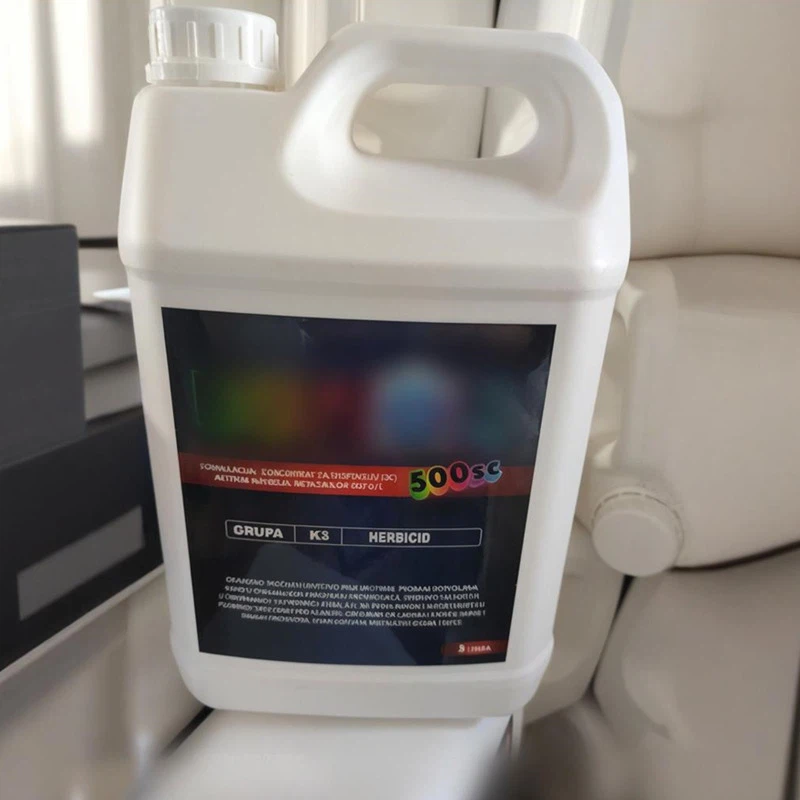
Our Product: Imidacloprid 350G/L SC
At our company, we offer Imidacloprid 350G/L SC, a high - quality imidacloprid formulation that is specifically designed for agricultural use. Our product has been tested and proven to be effective against a wide range of cotton pests, providing long - lasting protection and helping to improve cotton yields.
Our Imidacloprid 350G/L SC is easy to use and can be applied through various methods, including seed treatment, soil application, and foliar spray. We also provide technical support and guidance to our customers to ensure the proper use of our product and to achieve the best results.
Conclusion
In conclusion, imidacloprid can be a valuable tool for cotton pest management when used appropriately. It offers several benefits, including effective pest control, yield improvement, and cost - effectiveness. However, it is important to be aware of the potential drawbacks, such as resistance development and environmental impact, and to follow best practices to minimize these risks.
If you are a cotton farmer or involved in the cotton industry and are interested in using imidacloprid for your crops, we encourage you to contact us for more information and to discuss your specific needs. Our team of experts is ready to assist you in making the right decisions for your cotton pest management program. We look forward to the opportunity to work with you and help you achieve a successful cotton harvest.
References
- Elbert, A., et al. (1991). The neonicotinoid insecticides. The American Chemical Society.
- Nauen, R., & Denholm, I. (2005). Insecticide resistance in the whitefly Bemisia tabaci. Pest Management Science.
- Stewart, S. D., et al. (2010). Insect pests of cotton. University of Arkansas Division of Agriculture Cooperative Extension Service.