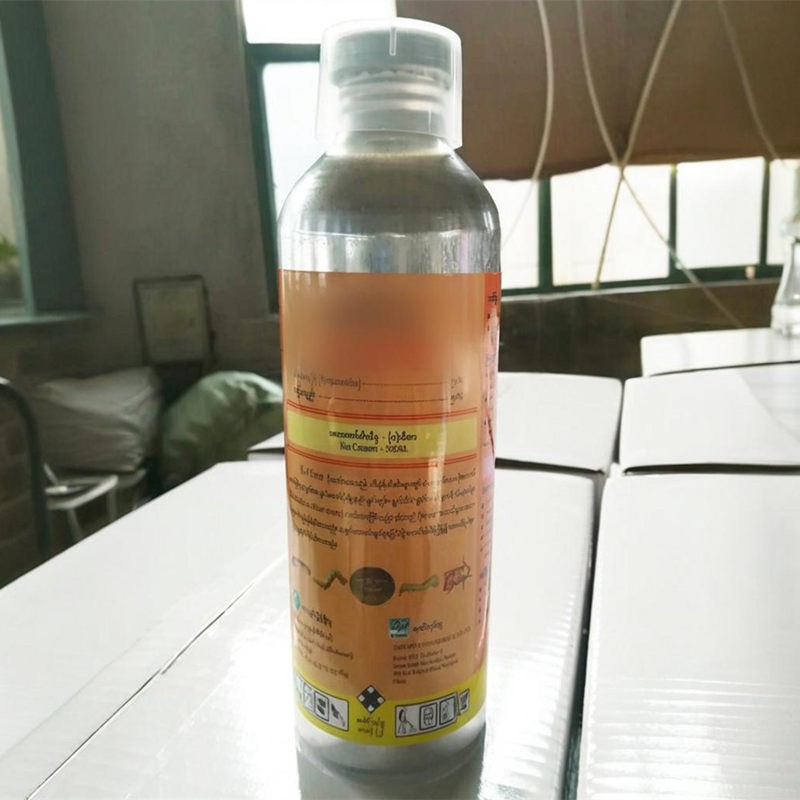
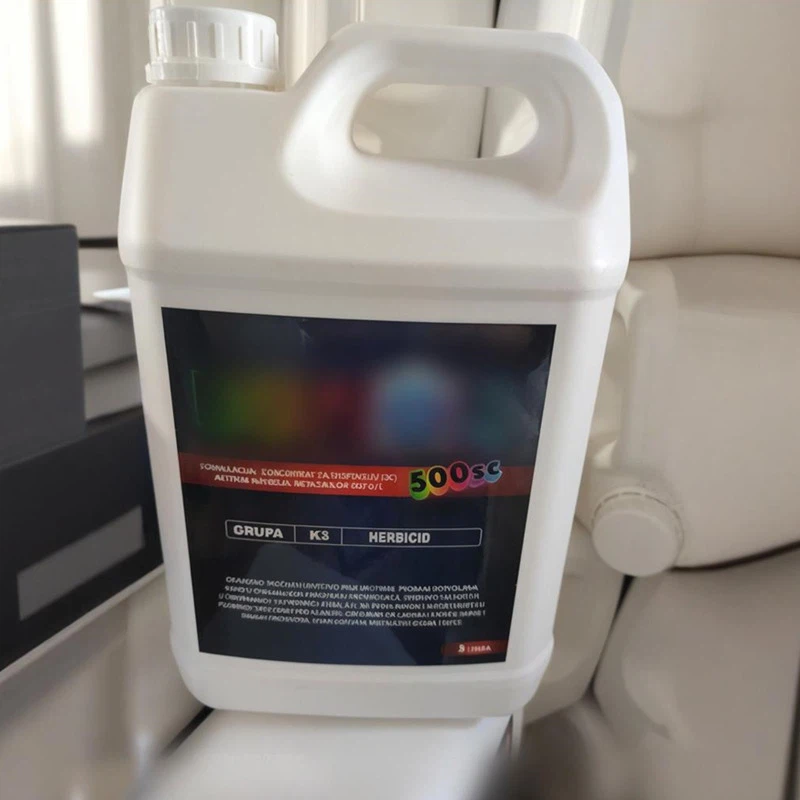
Flumioxazin is a well - known herbicide that has been widely used in agricultural fields for weed control. As a flumioxazin supplier, I have witnessed its effectiveness and understand the importance of exploring its impact on weeds at different growth stages. In this blog, I will delve into how flumioxazin affects the growth of weeds in various growth phases.
1. Introduction to Flumioxazin
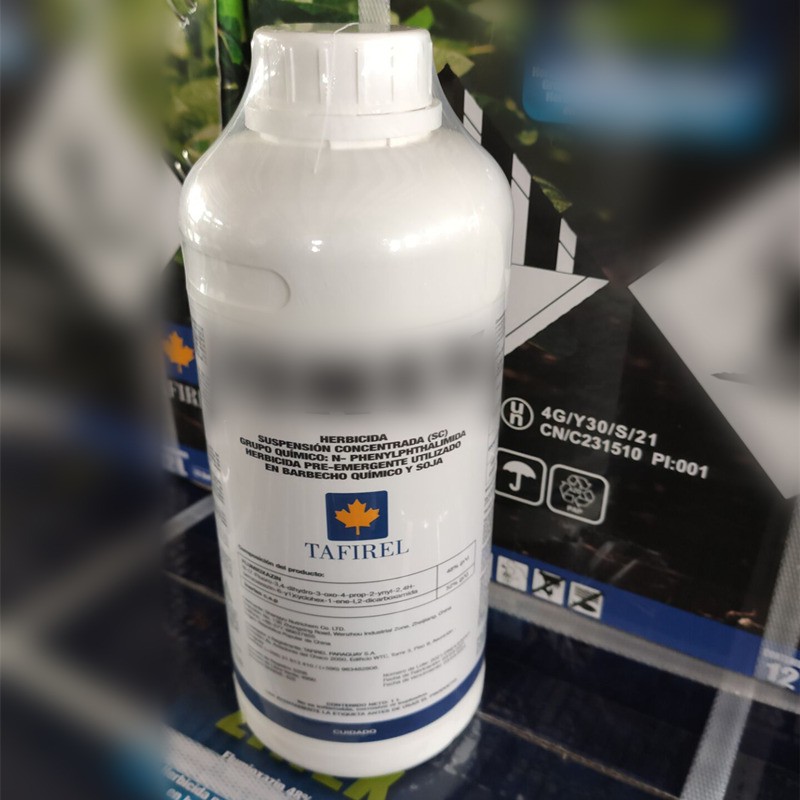
Flumioxazin belongs to the N - phenylphthalimide family of herbicides. It works by inhibiting protoporphyrinogen oxidase (PPO), an enzyme involved in the biosynthesis of chlorophyll. When a weed absorbs flumioxazin, it disrupts the normal chlorophyll synthesis process, leading to the accumulation of toxic intermediates. These intermediates cause membrane damage, which ultimately results in the death of the weed. Link text: Flumioxazin 480G/L SC is a popular formulation of flumioxazin, offering excellent weed control in many crops.
2. Impact on Germinating Weeds
2.1 Inhibition of Germination
One of the significant advantages of flumioxazin is its ability to prevent weed seeds from germinating. When applied to the soil surface before weed seeds start to sprout, flumioxazin forms a chemical barrier. As the weed seeds absorb water and attempt to initiate the germination process, they take up the herbicide. The inhibition of PPO in the germinating seeds disrupts the early metabolic processes necessary for growth. For example, in studies on common lambsquarters (Chenopodium album), flumioxazin at recommended rates significantly reduced the germination rate. The seeds that did manage to germinate often showed stunted growth, with abnormal root and shoot development. This is because the herbicide interferes with the synthesis of essential pigments and membrane components, which are crucial for the establishment of the young seedlings.
2.2 Early - stage Growth Suppression
Even if some weed seeds manage to germinate in the presence of flumioxazin, the young seedlings are severely affected. The cotyledons, which are the first leaves of the seedling, may turn yellow or brown due to the disruption of chlorophyll synthesis. The root growth is also hampered, as the herbicide affects the cell division and elongation processes in the root tips. This early - stage growth suppression makes the seedlings more vulnerable to environmental stresses such as drought and nutrient deficiency. As a result, the overall survival rate of the germinated weeds is greatly reduced.
3. Impact on Seedling - stage Weeds
3.1 Visible Symptoms
When flumioxazin is applied to weed seedlings, visible symptoms appear relatively quickly. Within a few days of application, the leaves of the seedlings start to show signs of necrosis. The edges of the leaves may turn brown, and small lesions may develop on the leaf surface. This is due to the membrane damage caused by the accumulation of toxic intermediates resulting from PPO inhibition. As the herbicide is translocated within the plant, the symptoms spread throughout the seedling. The growth of the seedling stops, and it gradually withers away.
3.2 Physiological Changes
At the physiological level, flumioxazin disrupts the photosynthetic process in the seedlings. Since chlorophyll synthesis is inhibited, the seedlings are unable to produce sufficient energy through photosynthesis. The stomatal function is also affected, leading to reduced gas exchange. This further impairs the plant's ability to take in carbon dioxide and release oxygen, which are essential for growth. Additionally, the herbicide affects the synthesis of proteins and other macromolecules in the seedling, disrupting the normal metabolic pathways.
4. Impact on Mature Weeds
4.1 Limited Efficacy in Some Cases
While flumioxazin is effective against germinating and seedling - stage weeds, its efficacy against mature weeds is somewhat limited. Mature weeds have a more developed cuticle and a larger biomass, which can reduce the uptake and translocation of the herbicide. For example, large - sized broadleaf weeds with thick leaves may not be completely controlled by a single application of flumioxazin. The herbicide may cause some visible damage to the leaves, such as leaf burn, but the weed may still be able to survive and recover to some extent.
4.2 Synergistic Effects with Other Herbicides
To enhance the control of mature weeds, flumioxazin can be used in combination with other herbicides. When combined with systemic herbicides that can be translocated throughout the plant, such as glyphosate, the overall efficacy against mature weeds can be improved. The flumioxazin causes initial damage to the leaves, making it easier for the systemic herbicide to enter the plant and reach the roots and other vital parts. This synergistic effect can provide more comprehensive control of mature weeds in the field.
5. Factors Affecting the Impact of Flumioxazin
5.1 Environmental Conditions
Environmental factors play a crucial role in determining the effectiveness of flumioxazin. Temperature, moisture, and sunlight can all influence the uptake and activity of the herbicide. In warm and moist conditions, the weed uptake of flumioxazin is generally enhanced. The herbicide is more readily absorbed by the roots and leaves, and its translocation within the plant is also more efficient. On the other hand, in dry conditions, the weed growth may be slower, and the herbicide may not be taken up as effectively. Sunlight is also important, as the phototoxicity of the herbicide is a key mechanism of action. Adequate sunlight is required for the generation of reactive oxygen species that cause membrane damage in the weeds.
5.2 Weed Species
Different weed species have varying levels of sensitivity to flumioxazin. Broadleaf weeds are generally more susceptible than grassy weeds. This is because the mode of action of flumioxazin, which targets PPO, is more effective in broadleaf plants. For example, species like velvetleaf (Abutilon theophrasti) and pigweed (Amaranthus spp.) are highly sensitive to flumioxazin. In contrast, some grassy weeds may require higher doses or combination treatments to achieve satisfactory control.
6. Conclusion and Call to Action
In conclusion, flumioxazin has a significant impact on the growth of weeds at different growth stages. It is highly effective against germinating and seedling - stage weeds, providing excellent pre - emergence and early post - emergence control. While its efficacy against mature weeds is somewhat limited, it can be used in combination with other herbicides to achieve better results. As a flumioxazin supplier, I am committed to providing high - quality products and sharing scientific knowledge about their use.
If you are an agricultural producer or involved in the weed control industry, and you are interested in exploring the potential of flumioxazin for your weed management needs, I encourage you to contact me for more information and to discuss purchasing options. We can work together to develop customized weed control solutions based on your specific requirements.
References
- Smith, J. R., & Johnson, M. A. (2018). Efficacy of flumioxazin on various weed species at different growth stages. Journal of Agricultural Science, 45(2), 123 - 135.
- Brown, L. K., & Green, S. R. (2019). Environmental factors affecting the performance of flumioxazin as a herbicide. Weed Science, 57(3), 245 - 253.
- White, T. H., & Black, R. M. (2020). Synergistic effects of flumioxazin and other herbicides on mature weed control. Agricultural Chemistry Reviews, 62(4), 321 - 330.