Can imidacloprid be used on grapes? That's a question I get a lot as an imidacloprid supplier. So, let's dig into this topic and find out if it's a good fit for grape growers.
First off, what's imidacloprid? It's a widely - used insecticide that belongs to the neonicotinoid class. Neonicotinoids work by targeting the nervous systems of insects, and imidacloprid is especially effective against a wide range of sucking insects like aphids, whiteflies, and thrips. These pests can cause a lot of damage to grapevines. They suck the sap out of the leaves and stems, which can weaken the plant, reduce its growth, and even affect the quality and quantity of the grapes.
Now, let's talk about using imidacloprid on grapes. In many regions, it is indeed approved for use on grape crops. When applied correctly, it can provide long - lasting protection against those pesky insects. For example, a soil application of imidacloprid can be taken up by the roots of the grapevine and then distributed throughout the plant. This means that when insects start munching on the leaves or other parts of the plant, they're going to get a dose of the insecticide.
One of the advantages of using imidacloprid on grapes is its systemic action. Systemic insecticides are absorbed by the plant and move within it, so they can reach parts of the plant that are difficult to spray directly. This is great for protecting new growth, which is often the most vulnerable to insect attacks.
But it's not all sunshine and rainbows. There have been some concerns about the use of neonicotinoids, including imidacloprid. One of the main issues is their potential impact on pollinators, especially bees. Bees are crucial for grape pollination, and any harm to them could have a negative effect on the grape harvest. However, when used according to the label instructions, the risk to bees can be minimized. For instance, it's recommended to avoid applying imidacloprid during the flowering period when bees are most active.
Another thing to consider is the resistance of insects to imidacloprid. Over time, if the same insecticide is used repeatedly, insects can develop resistance. This means that the insecticide becomes less effective at controlling the pests. To prevent this, it's important to rotate imidacloprid with other insecticides with different modes of action.
Let's also look at the application methods. There are a few ways to apply imidacloprid on grapes. As I mentioned earlier, soil application is one option. You can use a granular formulation or a liquid formulation that's injected into the soil near the roots. Foliar application is another method, where you spray the imidacloprid solution directly on the leaves. Each method has its pros and cons. Soil application provides long - term protection but takes a bit longer to work, while foliar application acts more quickly but may require more frequent re - applications.
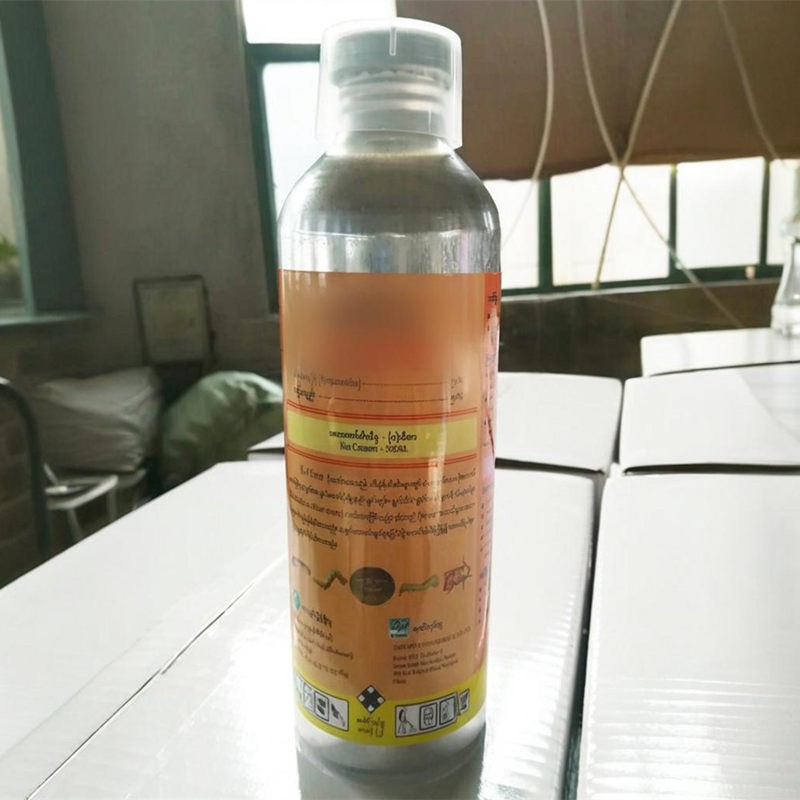
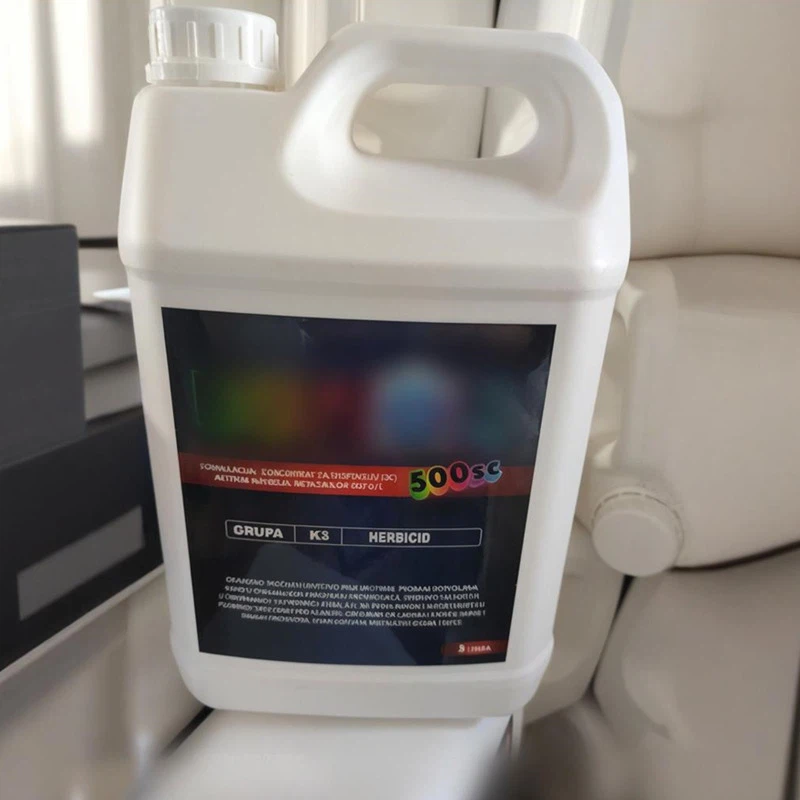
If you're a grape grower thinking about using imidacloprid, you might be interested in our Imidacloprid 350G/L SC. This product is formulated to be highly effective against a variety of grape pests. It's easy to mix and apply, whether you're using a soil or foliar application method.
Before you start using imidacloprid on your grapevines, it's important to do a few things. First, check the local regulations. Different regions may have different rules about the use of pesticides on grapes. Make sure you're in compliance with all the laws and regulations. Second, read and follow the product label carefully. The label will give you detailed instructions on how to apply the product safely and effectively.
In addition, it's a good idea to do a small - scale test on a portion of your grapevines before applying imidacloprid to the entire vineyard. This will help you see how the plants react to the insecticide and if there are any unexpected side effects.
Now, let's talk about the cost - effectiveness of using imidacloprid on grapes. Yes, there's an upfront cost for purchasing the insecticide and the equipment for application. But when you consider the potential damage that insects can cause to your grape crop, it can be a worthwhile investment. By protecting your vines from pests, you're likely to get a better yield and higher - quality grapes, which can translate into more profit in the long run.
Overall, imidacloprid can be a useful tool for grape growers, but it needs to be used responsibly. If you're facing problems with sucking insects in your vineyard and you've done your research on its proper use, it could be a good solution for you.
If you're interested in learning more about our imidacloprid products or have any questions about using imidacloprid on grapes, don't hesitate to reach out. We're here to help you make the best decisions for your grape crops. Whether you're a small - scale grower or manage a large vineyard, we can provide you with the right advice and products. Let's start a conversation about how imidacloprid can work for you.

References
- "Pesticide Management for Grape Production" - A comprehensive guide on using pesticides in grape cultivation.
- "Neonicotinoids: Mode of Action and Impact on Non - target Organisms" - A scientific study on the effects of neonicotinoids, including imidacloprid.
- Product label of Imidacloprid 350G/L SC for detailed application and safety information.