Hey there! I'm a supplier of pinoxaden, and today I wanna chat about whether pinoxaden is affected by wind during application. It's a topic that's super important for farmers and those in the agricultural game, so let's dive right in.
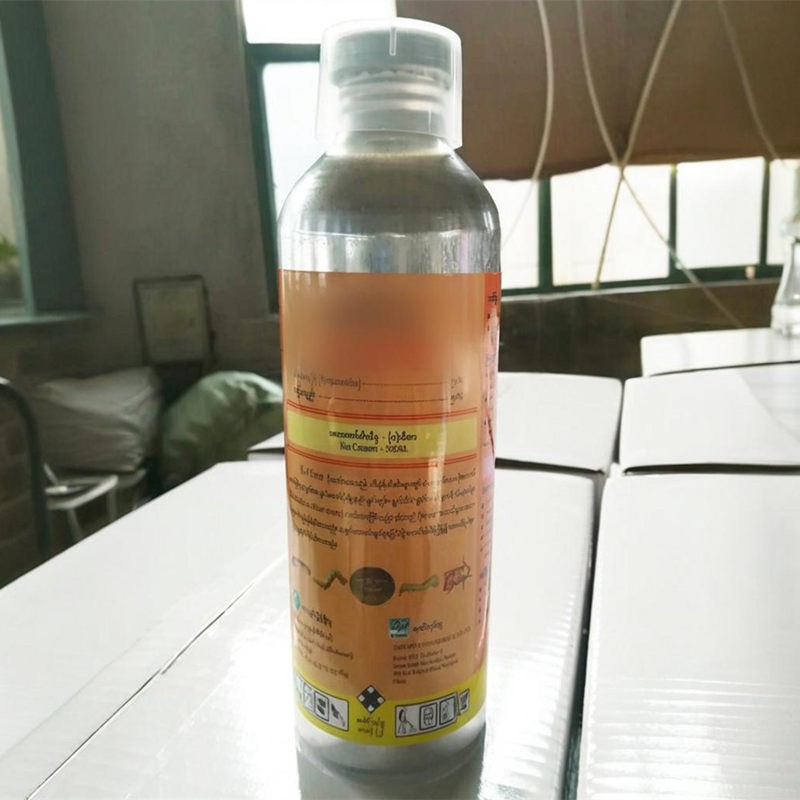
First off, let's talk about what pinoxaden is. Pinoxaden is a widely - used herbicide. It's great at controlling a variety of grass weeds in cereal crops. Pinoxaden 100G/L + Cloquintocet - mexyl 25G/L EC is one of the popular formulations out there. This combination not only helps in weed control but also provides some protection to the cereal crops from the herbicide's potential side - effects.
Now, when it comes to applying pinoxaden, the weather conditions play a huge role, and wind is a major factor. Wind can mess up the application process in several ways.
One of the main issues is drift. Drift occurs when the herbicide droplets are carried away from the target area by the wind. With pinoxaden, if the wind is blowing during application, the droplets can be blown onto non - target areas. This is a big problem because it can cause damage to neighboring crops or sensitive plants. For example, if there are vegetable gardens or fruit orchards nearby, the pinoxaden drift can harm those plants, leading to stunted growth or even death.
The speed of the wind is a crucial factor here. If the wind speed is too high, say above 10 - 15 miles per hour, the risk of drift increases significantly. At high wind speeds, the droplets are more likely to be carried long distances. Even small droplets can travel quite far and land on areas where they're not supposed to be. On the other hand, very light winds can also be an issue. Sometimes, light winds can cause the herbicide to hover over the application area for too long, leading to uneven distribution.
Another aspect is the droplet size. When applying pinoxaden, the size of the droplets matters a lot. Smaller droplets are more prone to drift. If the wind is blowing, these small droplets can be easily carried away. That's why it's important to use the right equipment to create the appropriate droplet size. Nozzles can be adjusted to produce larger droplets, which are less likely to drift in windy conditions. But if the wind is strong, even larger droplets can be affected.
The height at which the application is made also plays a role. If you're applying pinoxaden from a high - flying aircraft or a tall boom sprayer, the wind has more time and space to act on the droplets. This increases the chances of drift. It's often better to apply pinoxaden at a lower height, closer to the target plants. This reduces the distance the droplets have to travel through the wind and decreases the risk of drift.
Temperature can also interact with wind during pinoxaden application. On hot days, the air is more likely to be turbulent, and the wind can be more unpredictable. The combination of heat and wind can cause the droplets to evaporate more quickly, which can change their size and behavior. This can further increase the risk of drift and uneven application.
So, what can you do to minimize the impact of wind during pinoxaden application? Well, first of all, check the weather forecast. Try to schedule the application when the wind speed is between 3 - 10 miles per hour. This range is considered ideal as it allows for some natural movement of the air to help distribute the herbicide evenly without causing excessive drift.
Use drift - reducing additives. These additives can change the properties of the herbicide solution, making the droplets more stable and less likely to drift. There are also special nozzles available that are designed to produce larger, more drift - resistant droplets.
If possible, create barriers. You can use windbreaks or natural features like hedges to block the wind in the application area. This can help create a more sheltered environment for the pinoxaden application.
As a pinoxaden supplier, I know how important it is to get the application right. We want to make sure that farmers get the best results from our product while minimizing any negative impacts on the environment and neighboring areas. That's why understanding the effect of wind on pinoxaden application is so crucial.

If you're a farmer or involved in agricultural operations and have any questions about pinoxaden application, especially in relation to wind, don't hesitate to reach out. We're here to help you make the most of our Pinoxaden 100G/L + Cloquintocet - mexyl 25G/L EC and other pinoxaden products. Whether it's advice on equipment, application techniques, or dealing with windy conditions, we've got the expertise to assist you.
In conclusion, wind can definitely affect pinoxaden during application. It can cause drift, uneven distribution, and potential damage to non - target areas. But with proper planning, the right equipment, and a good understanding of the weather conditions, these issues can be minimized. So, if you're thinking about using pinoxaden, take the time to consider the wind factor and make the necessary preparations.
If you're interested in purchasing pinoxaden products, we're more than happy to have a chat with you. Just get in touch, and we can discuss your specific needs and requirements. We're committed to providing high - quality products and excellent service to our customers.
References
- Agricultural Weed Science textbooks
- Herbicides application guidelines from relevant agricultural research institutions