Can imidacloprid be used on maize? That's a question I get asked a lot as an imidacloprid supplier. In this blog post, I'm gonna break down everything you need to know about using imidacloprid on maize, including its effectiveness, safety, and how to use it properly.
First off, let's talk about what imidacloprid is. It's a widely - used insecticide that belongs to the neonicotinoid class. Neonicotinoids work by targeting the insect's nervous system, disrupting normal nerve impulse transmission, and eventually leading to the insect's death. Imidacloprid is known for its broad - spectrum activity against a variety of sucking and chewing insects.
Now, the big question: can it be used on maize? The short answer is yes. Maize is susceptible to a number of insect pests, like aphids, thrips, and rootworms. Imidacloprid can be a powerful tool in protecting your maize crops from these pests.
One of the biggest advantages of using imidacloprid on maize is its systemic nature. When applied to the soil or as a seed treatment, imidacloprid is absorbed by the plant and moves through the vascular system. This means that every part of the plant, from the roots to the leaves, becomes toxic to insects. So, when pests start munching on your maize, they're gonna get a dose of the insecticide and won't last long.
For example, seed treatments with imidacloprid can provide early - season protection to maize seedlings. During the vulnerable early growth stages, seedlings are at risk from pests like wireworms and seed - corn maggots. By applying imidacloprid to the seeds, you're giving the young plants a head - start in the battle against these pests.
When it comes to using imidacloprid on maize, there are a few different application methods. Seed treatment is one of the most common. You can coat the maize seeds with an imidacloprid - based product before planting. This is a convenient way to ensure that the young plants are protected right from the start. Another option is soil application. You can apply imidacloprid granules or a liquid formulation to the soil around the base of the maize plants. This method is great for targeting soil - dwelling pests like rootworms.
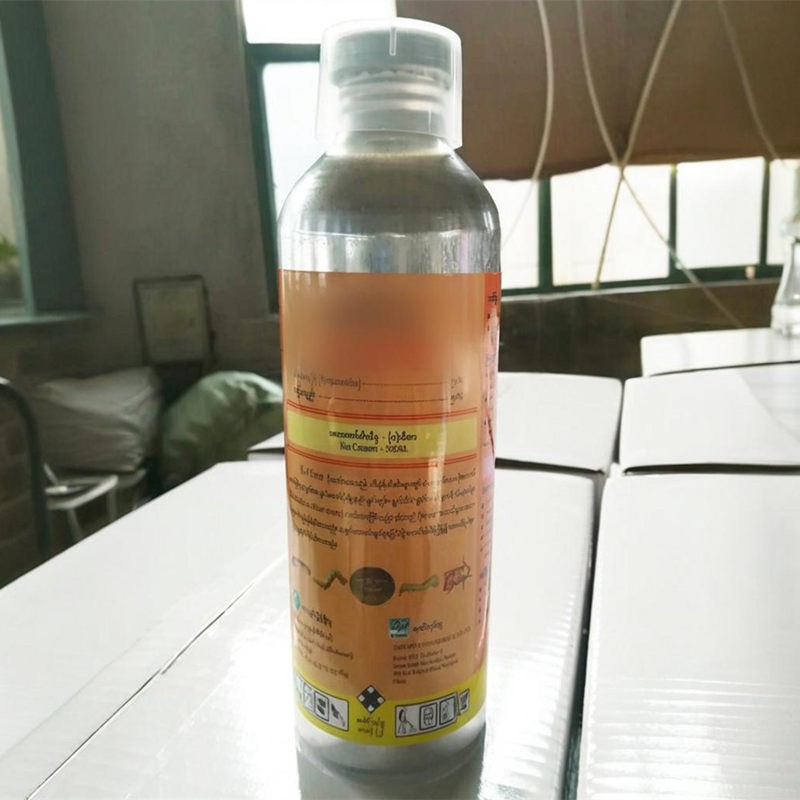
If you're interested in an imidacloprid product for your maize crops, check out Imidacloprid 350G/L SC. It's a high - quality formulation that has been proven effective against a wide range of maize pests.
But, as with any pesticide, there are some things to keep in mind when using imidacloprid on maize. Safety is always a top priority. Make sure you follow the label instructions carefully. Wear appropriate protective clothing, like gloves and goggles, when handling and applying the product. Also, be aware of the potential impact on non - target organisms. While imidacloprid is designed to target insects, it can also have an effect on beneficial insects like bees. To minimize the risk to bees, avoid applying imidacloprid when maize is in bloom.
Another thing to consider is resistance. Over time, pests can develop resistance to insecticides if they're used too frequently or incorrectly. To prevent this, it's a good idea to rotate imidacloprid with other insecticides with different modes of action. This way, you're keeping the pests guessing and reducing the chances of resistance developing.
In terms of environmental impact, imidacloprid has been a subject of some debate. Some studies have raised concerns about its potential effects on aquatic ecosystems and non - target organisms. However, when used according to the label instructions, the risk can be managed. Regulatory agencies around the world have set strict guidelines for the use of imidacloprid to ensure its safe and responsible use.

Let's talk a bit more about the effectiveness of imidacloprid on different maize pests. Against aphids, imidacloprid is a real game - changer. Aphids can cause significant damage to maize by sucking the sap from the plants, which can lead to stunted growth and reduced yields. Imidacloprid quickly knocks out aphid populations, preventing them from causing too much harm.
Thrips are another common pest in maize fields. These tiny insects can cause damage by feeding on the leaves and flowers of the maize plants. Imidacloprid can control thrips effectively, protecting the plants from their destructive feeding habits.
Rootworms are a major concern for maize growers. These pests feed on the roots of the maize plants, which can weaken the plants and make them more susceptible to other diseases and pests. Soil - applied imidacloprid can target rootworms directly, reducing their numbers and protecting the root system of the maize.
If you're thinking about using imidacloprid on your maize, it's also a good idea to do a small - scale trial first. This way, you can see how the product performs in your specific growing conditions. Keep an eye on the treated plants and compare them to untreated ones. Look for signs of pest control, plant health, and any potential side - effects.
In conclusion, imidacloprid can be a valuable tool for protecting your maize crops from a variety of pests. It offers effective, systemic protection and can be applied in different ways to suit your needs. Just make sure you use it responsibly, following all the safety and application guidelines.
If you have any questions about using imidacloprid on maize or are interested in purchasing our products, don't hesitate to reach out. We're here to help you make the most of your maize crop and keep those pests at bay.
References
- "Neonicotinoid Insecticides: A Review of the Global Usage" - Journal of Economic Entomology
- "Impact of Imidacloprid on Insect Pests of Maize" - Crop Protection Research Institute