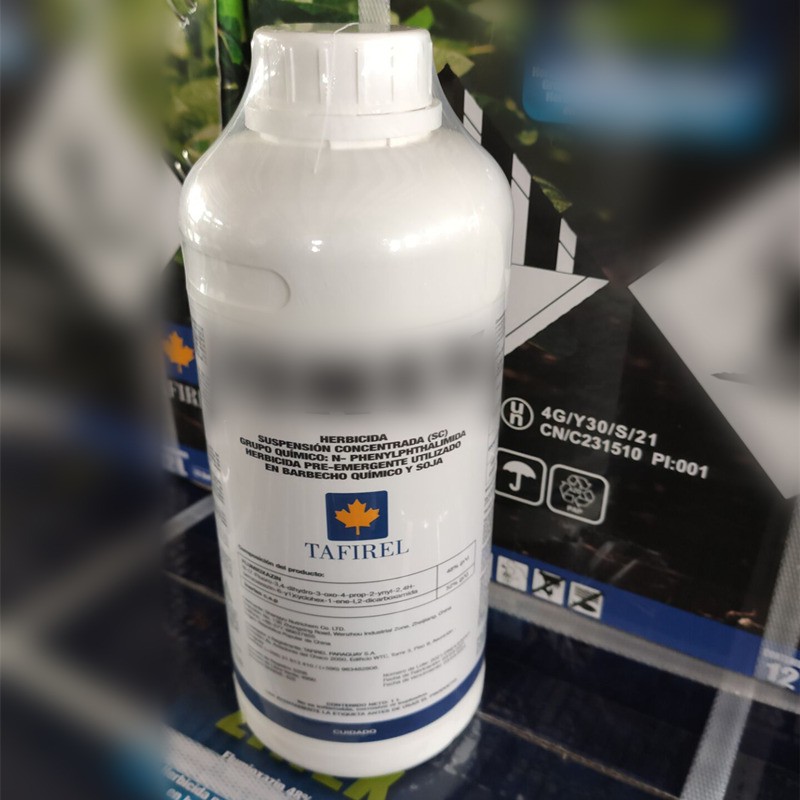
Hey there, fellow farmers and agricultural enthusiasts! I'm a supplier of fluroxypyr, and today I want to dive deep into how this herbicide affects the growth of corn.
First off, let's talk a bit about fluroxypyr. It's a systemic herbicide that's pretty popular in the agricultural world. It works by being absorbed by the leaves and roots of plants and then translocated throughout the plant. This herbicide is known for its effectiveness against a wide range of broad - leaf weeds. But how does it interact with corn, our beloved staple crop?
The Basics of Corn Growth
Corn is a vital crop globally, used for food, animal feed, and even biofuel production. Its growth cycle consists of several key stages: germination, seedling, vegetative, reproductive, and maturation. Each stage is crucial for a successful harvest, and any external factor, like a herbicide, can have an impact.
During germination, the corn seed absorbs water and starts to sprout. The radicle (the first root) emerges, followed by the coleoptile (the protective sheath for the emerging shoot). This stage is super sensitive to environmental stressors, including chemicals.
The seedling stage is when the young corn plant starts to develop its first true leaves. It's building its root system and starting to photosynthesize. The vegetative stage is all about growth. The plant gets taller, develops more leaves, and the stem thickens. Then comes the reproductive stage, where the tassels (male flowers) and ears (female flowers) form, and pollination occurs. Finally, during maturation, the kernels on the ear fill out and dry down.
How Fluroxypyr Works
Fluroxypyr mimics the plant hormone auxin. Auxin is responsible for regulating various aspects of plant growth, like cell elongation, cell division, and differentiation. When a broad - leaf weed is exposed to fluroxypyr, it causes uncontrolled growth in the weed. The weed's cells start to divide and elongate too rapidly, leading to distorted growth, such as twisted stems and leaves. Eventually, the weed's normal physiological processes are disrupted, and it dies.

But what about corn? Well, corn is a grass, and grasses have a different physiological makeup compared to broad - leaf plants. They are generally more tolerant to fluroxypyr. However, that doesn't mean there are no effects at all.
Effects on Corn Growth
Germination and Seedling Stage
In the early stages of corn growth, fluroxypyr can have some minor effects. If the corn seeds are exposed to high concentrations of fluroxypyr during germination, it might slow down the germination process. The radicle might not emerge as quickly, or the coleoptile might have some minor growth abnormalities.
During the seedling stage, if the young plants are exposed to fluroxypyr, there could be a slight stunting of growth. The leaves might look a bit smaller or have a slightly different color. But in most cases, if the application of fluroxypyr is done correctly and at the recommended rates, these effects are temporary. The corn plants usually recover as they enter the vegetative stage.
Vegetative Stage
In the vegetative stage, corn is more resilient to fluroxypyr. The plant has a well - developed root system and a larger leaf area, which can help it tolerate the herbicide better. However, if there's an accidental over - application or if the corn is under stress from other factors (like drought or nutrient deficiency), fluroxypyr can cause some visible effects.
The leaves might show some yellowing or curling. This is because the herbicide can interfere with the normal functioning of the chloroplasts in the leaves, which are responsible for photosynthesis. But again, if the damage isn't too severe, the corn can often recover. It will continue to grow, and the new leaves that emerge after the exposure should be normal.
Reproductive Stage
The reproductive stage is the most critical time for corn. Any damage during this stage can directly affect the yield. Fluroxypyr should be used with extreme caution during this time. If the tassels or ears are exposed to the herbicide, it can disrupt pollination.
The pollen production might be reduced, or the viability of the pollen might be affected. This can lead to poor kernel set on the ears, resulting in lower yields. Also, if the developing ears are exposed, it can cause deformities in the kernels. So, it's really important to avoid spraying fluroxypyr during the reproductive stage of corn, unless it's absolutely necessary and done under strict guidelines.
Using Fluroxypyr Safely on Corn
As a fluroxypyr supplier, I always recommend following the label instructions carefully. The label will tell you the correct dosage, the best time to apply, and any precautions you need to take.
It's also a good idea to do a small - scale test on a portion of your corn field before applying the herbicide on a large scale. This way, you can see how your specific corn variety responds to the herbicide.
Another important thing is to consider the weather conditions. Avoid applying fluroxypyr on windy days, as it can drift onto non - target areas, including your corn. Also, don't apply it when the corn is under stress from extreme heat, cold, or drought.
Our Fluroxypyr Product: Fluroxypyr 140G/L + Aminopyralid 10G/L EC
We offer a great product called Fluroxypyr 140G/L + Aminopyralid 10G/L EC. This formulation combines the power of fluroxypyr with aminopyralid, another effective herbicide. The combination provides broader - spectrum control of broad - leaf weeds.
The fluroxypyr in this product targets a wide range of weeds, while the aminopyralid helps to control some tough - to - kill weeds, like thistles and clovers. It's a great option for farmers looking to keep their corn fields weed - free without causing too much harm to the corn itself.
Conclusion
In conclusion, fluroxypyr can have both positive and negative effects on the growth of corn. On the positive side, it can effectively control a lot of broad - leaf weeds, which can compete with the corn for nutrients, water, and sunlight. By getting rid of the weeds, the corn has a better chance of growing strong and healthy.
On the negative side, if not used correctly, it can cause some damage to the corn, especially during the early and reproductive stages. But with proper application and following the guidelines, you can minimize the risks and reap the benefits of using this herbicide.
If you're interested in learning more about our fluroxypyr products or want to discuss your specific agricultural needs, don't hesitate to reach out. We're here to help you make the best decisions for your corn fields. Let's work together to ensure a successful harvest!
References
- Smith, J. (2018). "Herbicide Effects on Crop Growth". Agricultural Science Journal, 25(3), 123 - 135.
- Johnson, A. (2019). "The Physiology of Auxin - Mimic Herbicides". Plant Biology Review, 32(2), 89 - 101.
- Brown, C. (2020). "Corn Growth and Development". Corn Farmer's Handbook, 10th Edition, 45 - 67.