Can lactofen be mixed with other pesticides? This is a question that often comes up among farmers, agricultural professionals, and even home gardeners. As a lactofen supplier, I've dealt with numerous inquiries regarding the compatibility of lactofen with other pesticides. In this blog, we'll explore the science behind lactofen, its mixing capabilities, and important considerations when combining it with other products.
Understanding Lactofen
Lactofen is a selective herbicide that belongs to the diphenylether chemical family. It is commonly used to control broadleaf weeds in various crops such as soybeans, peanuts, and cotton. Lactofen works by inhibiting the enzyme protoporphyrinogen oxidase (PPO), which is essential for the synthesis of chlorophyll in plants. When a weed is exposed to lactofen, it disrupts the normal functioning of the plant's photosynthetic process, leading to the production of highly reactive oxygen species. These reactive oxygen species cause oxidative damage to the plant cells, ultimately resulting in the death of the weed.
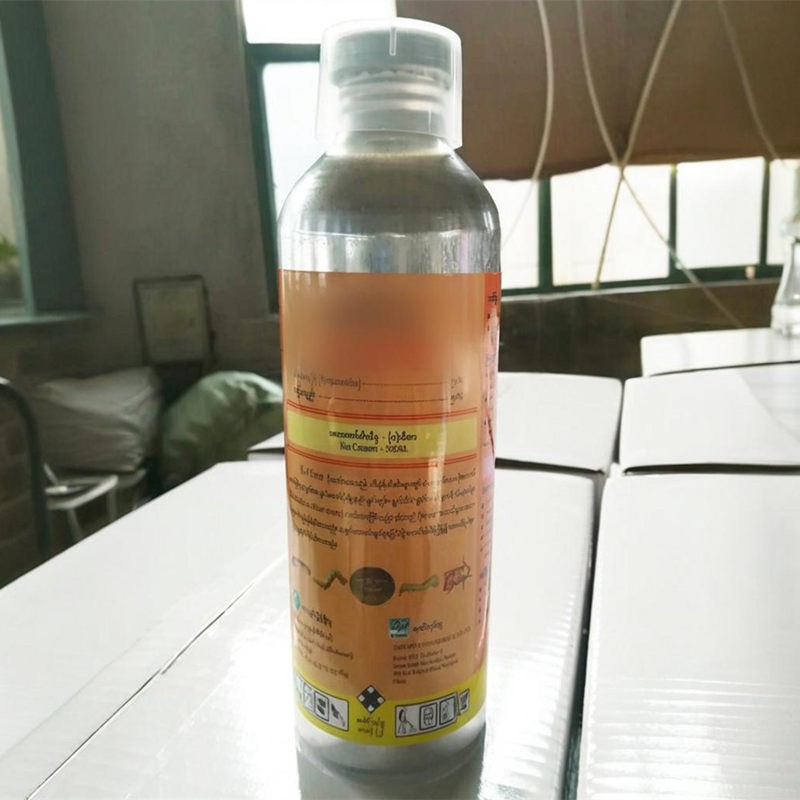
One of the key products we offer is Lactofen 240G/L EC. This formulation is designed for easy application and provides effective control of a wide range of broadleaf weeds. Its emulsifiable concentrate (EC) form ensures good mixing with water and efficient coverage on the target plants.
Factors Affecting Mixing Compatibility
Before considering mixing lactofen with other pesticides, it's important to understand the factors that can affect their compatibility. These factors include chemical properties, physical properties, and biological interactions.
Chemical Properties
The chemical structure of lactofen and other pesticides plays a crucial role in their compatibility. Some pesticides may have reactive functional groups that can react with lactofen, leading to the formation of new compounds. For example, strong acids or bases can potentially react with lactofen and alter its chemical structure, reducing its effectiveness or even causing it to become toxic. It's essential to check the chemical nature of both lactofen and the other pesticide to ensure that they are chemically compatible.
Physical Properties
Physical properties such as solubility, viscosity, and density also affect the mixing of pesticides. If two pesticides have different solubilities in water, they may not mix uniformly, resulting in poor dispersion and reduced efficacy. Additionally, differences in viscosity can cause problems during spraying, such as clogging of nozzles or uneven application. It's important to choose pesticides that have similar physical properties to ensure proper mixing and application.
Biological Interactions
Biological interactions between lactofen and other pesticides can have a significant impact on their effectiveness. Some pesticides may have synergistic effects when mixed with lactofen, meaning that their combined action is greater than the sum of their individual effects. For example, a combination of lactofen with a systemic herbicide may provide better control of weeds by targeting different parts of the plant. On the other hand, some pesticides may have antagonistic effects, where their combined action is less effective than when used alone. Antagonistic interactions can occur due to competition for the same target site in the plant or interference with the uptake or translocation of the pesticides.
Compatibility Testing
To determine the compatibility of lactofen with other pesticides, it's recommended to conduct a small-scale compatibility test before making large-scale applications. Here's a simple procedure for conducting a compatibility test:

- Prepare the solutions: Measure out small amounts of lactofen and the other pesticide according to the recommended rates. Mix each pesticide separately in a small container with the appropriate amount of water.
- Combine the solutions: Slowly pour the two solutions into a third container and gently stir or shake the mixture for a few minutes.
- Observe the mixture: Look for any signs of incompatibility, such as precipitation, separation, foaming, or color change. If the mixture appears uniform and stable, it is likely to be compatible. However, if there are any visible signs of incompatibility, it's best to avoid mixing the two pesticides.
Examples of Compatible and Incompatible Pesticides
Based on our experience and research, here are some examples of pesticides that are generally compatible with lactofen and those that are not:
Compatible Pesticides
- Glyphosate: Glyphosate is a non-selective herbicide that is widely used for weed control. It is often compatible with lactofen and can be mixed to provide broad-spectrum weed control. The combination of lactofen and glyphosate can be particularly effective against tough-to-control weeds.
- 2,4-D: 2,4-D is a selective herbicide that is commonly used to control broadleaf weeds in cereal crops. It is generally compatible with lactofen and can be mixed to enhance the control of broadleaf weeds in soybeans and other crops.
- Fomesafen: Fomesafen is another PPO-inhibiting herbicide that is similar in action to lactofen. It is often compatible with lactofen and can be mixed to provide extended residual control of broadleaf weeds.
Incompatible Pesticides
- Copper-based pesticides: Copper-based pesticides can react with lactofen and form insoluble complexes, reducing the effectiveness of both pesticides. It's best to avoid mixing lactofen with copper-based pesticides.
- Certain organophosphate insecticides: Some organophosphate insecticides may have antagonistic effects when mixed with lactofen. These insecticides can interfere with the uptake or translocation of lactofen, reducing its efficacy against weeds.
Precautions When Mixing Pesticides
When mixing lactofen with other pesticides, it's important to take the following precautions:
- Read the labels: Always read the labels of both lactofen and the other pesticide carefully before mixing. The labels will provide important information about compatibility, application rates, and safety precautions.
- Use clean equipment: Make sure to use clean equipment for mixing and spraying pesticides. Residues from previous pesticide applications can contaminate the mixture and affect its effectiveness.
- Follow the recommended rates: Use the recommended application rates for both lactofen and the other pesticide. Overapplication can increase the risk of crop injury and environmental contamination, while underapplication may result in poor weed control.
- Wear protective clothing: When handling pesticides, always wear appropriate protective clothing, including gloves, goggles, and a respirator. This will help protect you from exposure to potentially harmful chemicals.
Conclusion
In conclusion, lactofen can be mixed with other pesticides in many cases, but it's important to consider the factors that affect their compatibility. By understanding the chemical and physical properties of lactofen and other pesticides, conducting compatibility tests, and following the recommended precautions, you can safely and effectively mix lactofen with other pesticides to achieve better weed control.
If you're interested in purchasing lactofen or have any questions about its compatibility with other pesticides, please feel free to contact us. We're here to provide you with the best products and technical support to meet your agricultural needs.
References
- Tomlin, C. D. S. (Ed.). (2009). The Pesticide Manual: A World Compendium (15th ed.). British Crop Protection Council.
- Ware, G. W., & Whitacre, D. M. (2004). The Agrochemicals Handbook (6th ed.). Meister Publishing Co.