Hey there! I'm an imidacloprid supplier, and I've been getting a lot of questions lately about how imidacloprid interacts with soil microorganisms. So, I thought I'd take a deep dive into this topic and share what I've learned.
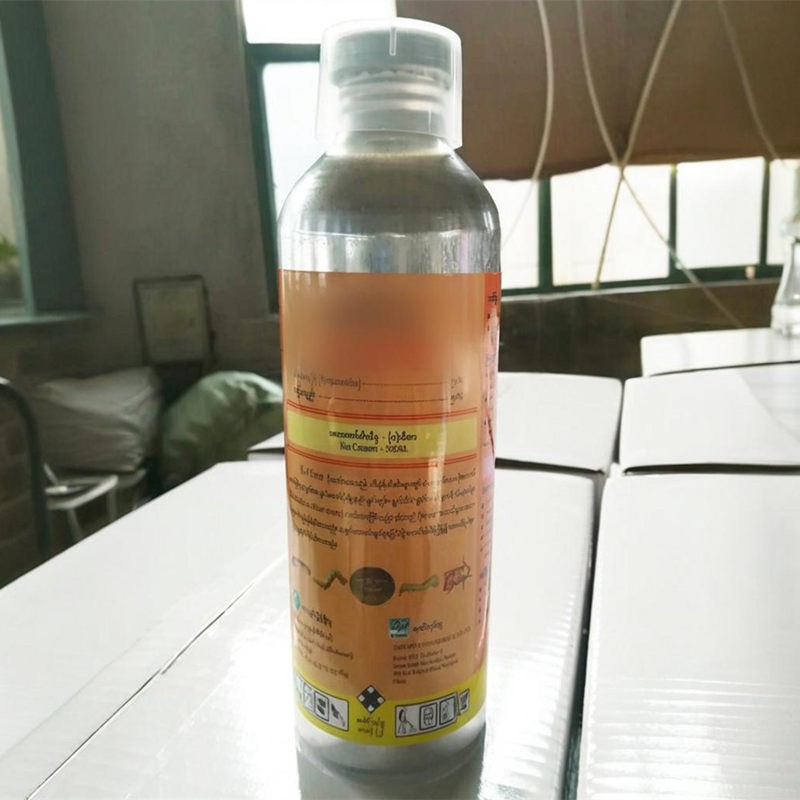
First off, let's talk about what imidacloprid is. Imidacloprid is a widely - used insecticide that belongs to the neonicotinoid class. It's super effective at controlling a variety of pests, from aphids to whiteflies. You can check out our Imidacloprid 350G/L SC product, which is a popular choice among farmers and gardeners.
Now, onto the main question: how does imidacloprid interact with soil microorganisms? Soil microorganisms are a diverse group of organisms, including bacteria, fungi, and protozoa. They play a crucial role in soil health, nutrient cycling, and plant growth. When imidacloprid is applied to the soil, it can have both direct and indirect effects on these microorganisms.
Direct Effects
Imidacloprid can directly affect soil microorganisms in several ways. One of the main concerns is its toxicity. Some studies have shown that imidacloprid can be toxic to certain soil bacteria and fungi. For example, high concentrations of imidacloprid can inhibit the growth and activity of nitrogen - fixing bacteria. These bacteria are essential for converting atmospheric nitrogen into a form that plants can use. If their activity is reduced, it can have a negative impact on plant growth and soil fertility.
However, the toxicity of imidacloprid to soil microorganisms is not always straightforward. It depends on a lot of factors, such as the concentration of imidacloprid, the type of soil, and the specific microorganism species. In some cases, low concentrations of imidacloprid may not have a significant effect on soil microorganisms. Some microorganisms may even be able to tolerate or degrade imidacloprid over time.

Indirect Effects
Imidacloprid can also have indirect effects on soil microorganisms through its impact on plants. When imidacloprid is absorbed by plants, it can change the chemical composition of the root exudates. Root exudates are substances that plants release into the soil, and they play an important role in attracting and supporting soil microorganisms.
If imidacloprid alters the root exudates, it can change the microbial community in the rhizosphere (the area of soil around the roots). For example, it may reduce the number or diversity of beneficial microorganisms, such as mycorrhizal fungi. Mycorrhizal fungi form a symbiotic relationship with plants, helping them to absorb nutrients and water from the soil. A decrease in mycorrhizal fungi can weaken the plants and make them more vulnerable to diseases and pests.
On the other hand, imidacloprid can also indirectly benefit some soil microorganisms by reducing the population of insect pests. Insect pests can damage plants, and this damage can disrupt the normal functioning of the soil - plant - microbe system. By controlling pests, imidacloprid can help maintain the health of plants, which in turn can support a more stable soil microbial community.
Factors Affecting the Interaction
As I mentioned earlier, the interaction between imidacloprid and soil microorganisms is influenced by many factors. Let's take a closer look at some of these factors.
Soil Type
Different soil types have different physical and chemical properties, which can affect how imidacloprid behaves in the soil. For example, clay soils have a high cation - exchange capacity, which means they can bind to imidacloprid more strongly. This can reduce the bioavailability of imidacloprid to soil microorganisms, making it less likely to cause toxicity.
In contrast, sandy soils have a lower cation - exchange capacity, and imidacloprid may be more mobile in these soils. This can increase the risk of imidacloprid leaching into groundwater or reaching deeper soil layers, where it may come into contact with a wider range of soil microorganisms.
Environmental Conditions
Environmental conditions, such as temperature and moisture, also play a role in the interaction between imidacloprid and soil microorganisms. Microorganisms are more active in warm and moist conditions. If the soil is too dry or too cold, the activity of soil microorganisms may be reduced, and the impact of imidacloprid may be less pronounced.
On the other hand, in warm and moist conditions, microorganisms may be more sensitive to imidacloprid, and the degradation of imidacloprid may also be faster. This can lead to different patterns of interaction between imidacloprid and soil microorganisms depending on the environmental conditions.
Application Rate and Frequency
The amount of imidacloprid applied and how often it is applied are important factors. High application rates of imidacloprid are more likely to cause negative effects on soil microorganisms. Similarly, frequent applications can increase the cumulative exposure of soil microorganisms to imidacloprid, which may lead to long - term changes in the microbial community.
Implications for Agriculture
Understanding how imidacloprid interacts with soil microorganisms is crucial for sustainable agriculture. On one hand, imidacloprid is a valuable tool for pest control, and it can help farmers protect their crops and increase yields. On the other hand, we need to be aware of its potential impact on soil health.
Farmers should use imidacloprid responsibly, following the recommended application rates and frequencies. They can also consider using integrated pest management strategies, which combine the use of pesticides with other pest - control methods, such as biological control and cultural practices. This can help reduce the reliance on imidacloprid and minimize its impact on soil microorganisms.
Conclusion
In conclusion, the interaction between imidacloprid and soil microorganisms is complex. It involves both direct and indirect effects, and it is influenced by many factors such as soil type, environmental conditions, and application rate. While imidacloprid can have some negative impacts on soil microorganisms, it also has its benefits in pest control.
As an imidacloprid supplier, I'm committed to providing high - quality products and promoting their responsible use. If you're interested in learning more about our Imidacloprid 350G/L SC or have any questions about imidacloprid and its impact on soil, feel free to reach out. We're always happy to have a chat and discuss your needs. Whether you're a large - scale farmer or a home gardener, we can work together to find the best solutions for your pest - control challenges.
References
- Beketov, M. A., et al. "Neonicotinoids in the environment: A critical review of their distribution, fate, toxicity, and implications for human health." Science of the Total Environment, 2013.
- Goulson, D. "Neonicotinoid pesticides may be causing a global collapse of insect pollinators." Environmental Science & Technology, 2013.
- Wu, J., et al. "Effects of imidacloprid on soil microbial communities and enzyme activities." Pedosphere, 2011.