Hey there! As a mesotrione supplier, I often get asked a bunch of questions about using mesotrione. One question that pops up quite a bit is, "Can mesotrione be used in rotation with other herbicides?" Well, let's dive right into it and break this down.
First off, what's the deal with herbicide rotation? Rotating herbicides is a smart move for farmers and anyone dealing with weed control. You see, if you keep using the same herbicide over and over again, weeds can develop resistance to it. It's like how bacteria can become resistant to antibiotics. So, by rotating different herbicides, you're keeping those pesky weeds on their toes and making sure your weed - control strategy stays effective.
Now, let's talk about mesotrione. Mesotrione is a really cool herbicide. It works by inhibiting an enzyme called 4 - hydroxyphenylpyruvate dioxygenase (HPPD) in plants. This enzyme is crucial for the production of carotenoids, which protect plants from sunlight. When mesotrione messes with this enzyme, the plant can't make carotenoids, and it basically gets sunburned and dies.
The good news is, mesotrione can definitely be used in rotation with other herbicides. There are several reasons for this. For starters, mesotrione has a unique mode of action. As I mentioned, it targets the HPPD enzyme. Most other herbicides out there work in different ways. For example, some herbicides target the photosynthesis process, while others affect the growth hormones in plants.
When you rotate mesotrione with herbicides that have different modes of action, you're hitting the weeds from multiple angles. This reduces the chances of weeds developing resistance to any single herbicide. It's like a one - two punch for weed control.
Let's look at some specific herbicides that can be rotated with mesotrione. One popular option is glyphosate. Glyphosate is a broad - spectrum herbicide that works by inhibiting an enzyme involved in the synthesis of essential amino acids in plants. It's been around for a long time and is used in a wide range of agricultural and non - agricultural settings.
Rotating mesotrione with glyphosate can be really effective. Glyphosate is great at killing a wide variety of weeds, but some weeds have started to develop resistance to it. By using mesotrione in rotation, you can still keep those resistant weeds in check.

Another herbicide that can be rotated with mesotrione is atrazine. Atrazine is a photosystem II inhibitor, which means it stops the photosynthesis process in plants. It's commonly used in corn fields to control broadleaf and grassy weeds. When you rotate mesotrione with atrazine, you're using two herbicides with different modes of action to protect your crops from weeds.
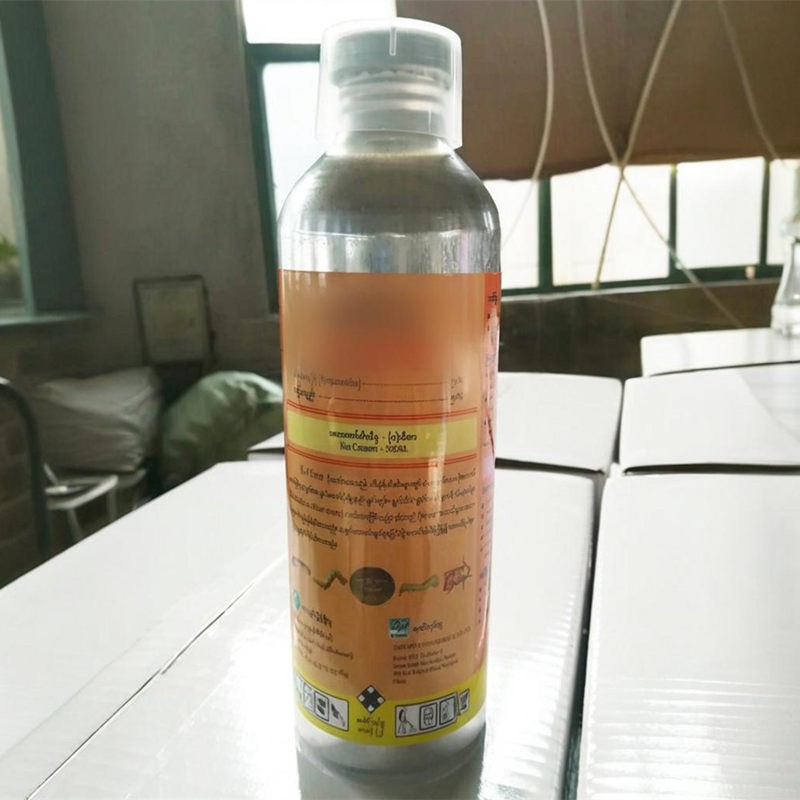
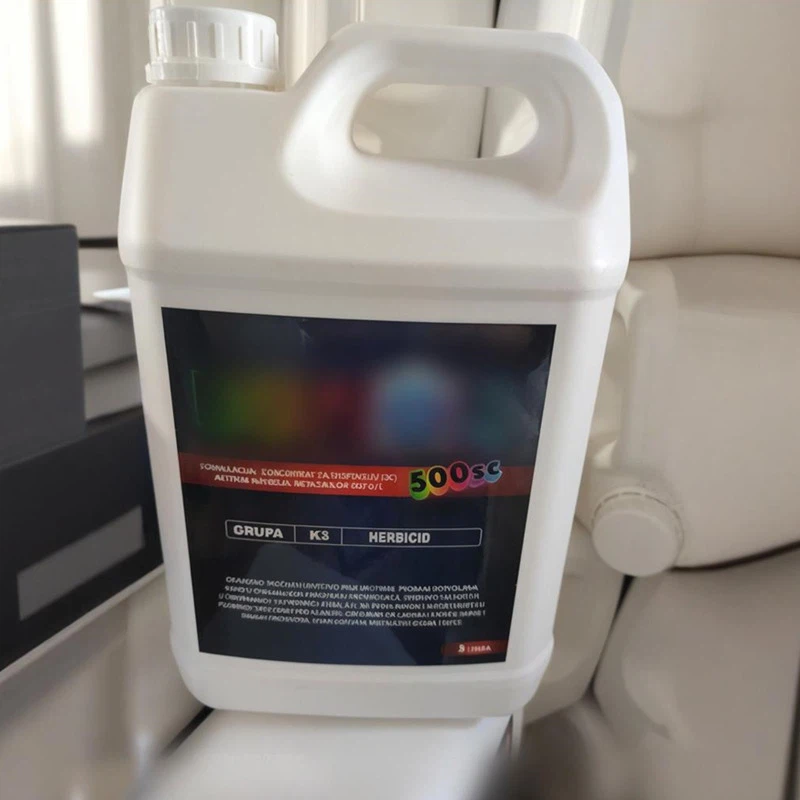
Now, I want to mention one of our great products: Mesotrione 70G/L + Nicosulfuron 40G/L OD. This product combines mesotrione with nicosulfuron, which is an acetolactate synthase (ALS) inhibitor. ALS inhibitors work by blocking an enzyme involved in the synthesis of branched - chain amino acids in plants.
This combination product is a great option for rotation. The mesotrione and nicosulfuron work together to provide broad - spectrum weed control. And because they have different modes of action, it's less likely that weeds will develop resistance to the product.
When it comes to using mesotrione in rotation, there are a few things to keep in mind. First, you need to make sure you're following the label instructions for each herbicide. The label will tell you things like the application rate, the timing of application, and any safety precautions you need to take.
You also need to consider the crop you're growing. Different crops have different tolerances to herbicides. For example, mesotrione is often used in corn fields because corn is relatively tolerant to it. But if you're growing a different crop, you need to make sure the herbicides you're using are safe for that crop.
Another important factor is the timing of rotation. You don't want to apply two herbicides too close together. This can increase the risk of crop injury and also won't give you the full benefits of rotation. It's a good idea to space out your herbicide applications according to the label instructions.
In conclusion, mesotrione is a great herbicide to use in rotation with other herbicides. Its unique mode of action makes it a valuable tool in your weed - control arsenal. By rotating mesotrione with herbicides that have different modes of action, you can reduce the risk of weed resistance and keep your crops healthy.
If you're interested in learning more about mesotrione or our Mesotrione 70G/L + Nicosulfuron 40G/L OD product, or if you're looking to start a purchase and have a chat about your weed - control needs, don't hesitate to reach out. We're here to help you find the best solutions for your farm or project.
References
- "Herbicide Resistance and Management" by the Weed Science Society of America.
- Product labels of mesotrione, glyphosate, atrazine, and nicosulfuron.
- Research papers on herbicide mode of action and rotation strategies.