Can mesotrione be used pre - emergence or post - emergence?
As a supplier of mesotrione, I am often asked whether mesotrione can be used pre - emergence or post - emergence. This is a crucial question for farmers and agricultural professionals, as the correct application timing can significantly impact the effectiveness of weed control and the overall success of crop production. In this blog, I will delve into the details of mesotrione's pre - emergence and post - emergence uses, providing you with a comprehensive understanding of its application scenarios.
Mesotrione: An Overview
Mesotrione is a selective herbicide that belongs to the triketone chemical family. It is widely used in the agricultural industry for controlling a broad spectrum of broadleaf and grassy weeds in various crops, such as corn, sorghum, and turfgrass. Mesotrione works by inhibiting the enzyme 4 - hydroxyphenylpyruvate dioxygenase (HPPD), which is essential for the biosynthesis of carotenoids in plants. Without carotenoids, plants are unable to protect their chlorophyll from photo - oxidation, leading to bleaching and eventual death of the weed.
Pre - emergence Use of Mesotrione
Pre - emergence application of mesotrione involves applying the herbicide to the soil before the weeds germinate. This approach has several advantages.
1. Early Weed Control
One of the primary benefits of pre - emergence use is that it provides early weed control. By applying mesotrione before the weeds emerge, you can prevent them from establishing in the first place. This is particularly important for crops that are sensitive to weed competition during their early growth stages. For example, in corn fields, early weed competition can reduce the crop's access to nutrients, water, and sunlight, leading to stunted growth and lower yields. Pre - emergence application of mesotrione can help ensure that the corn has a head start in the growing season.
2. Reduced Herbicide Resistance
Another advantage is that pre - emergence use can help reduce the development of herbicide resistance in weeds. When herbicides are applied post - emergence, weeds that have survived previous applications may develop resistance mechanisms over time. By using mesotrione pre - emergence, you can target weeds at a vulnerable stage, reducing the selection pressure for resistant weed populations.
3. Flexibility in Application
Pre - emergence application also offers more flexibility in terms of timing. You can apply mesotrione when the soil conditions are suitable, without having to worry about the growth stage of the weeds. This can be especially useful in regions with unpredictable weather patterns or when there are multiple weed species with different germination times.
However, there are also some limitations to pre - emergence use. The effectiveness of mesotrione pre - emergence depends on proper soil incorporation and moisture conditions. If the herbicide is not adequately incorporated into the soil or if there is insufficient moisture, it may not be able to reach the germinating weed seeds, resulting in poor weed control.
Post - emergence Use of Mesotrione
Post - emergence application of mesotrione means applying the herbicide after the weeds have emerged. This method also has its own set of advantages.
1. Targeted Weed Control
Post - emergence use allows for targeted weed control. You can visually identify the weed species present in the field and adjust the application rate and timing accordingly. This is particularly useful when dealing with specific weed problems or when there is a need to control weeds that have escaped pre - emergence treatment.

2. Immediate Results
Another benefit is that post - emergence application provides immediate results. Once the herbicide is applied to the emerged weeds, you can start to see the effects within a few days. This can be reassuring for farmers who want to quickly address weed infestations in their fields.
3. Compatibility with Other Management Practices
Mesotrione can be used in combination with other post - emergence herbicides or cultural practices, such as mechanical cultivation. This integrated approach can enhance the overall effectiveness of weed control and reduce the reliance on a single herbicide.
However, post - emergence use also has some challenges. The timing of post - emergence application is critical. If the weeds are too large or have reached a certain growth stage, they may be less susceptible to mesotrione. Additionally, post - emergence application may require more careful application techniques to ensure that the herbicide is evenly distributed on the weed foliage and does not cause damage to the crop.
Factors Affecting the Choice between Pre - emergence and Post - emergence Use
Several factors should be considered when deciding whether to use mesotrione pre - emergence or post - emergence.
1. Weed Species and Population
The type of weed species present in the field and their population density are important factors. Some weed species may be more effectively controlled with pre - emergence treatment, while others may require post - emergence application. For example, small - seeded broadleaf weeds are often well - controlled with pre - emergence mesotrione, while larger, more established weeds may need post - emergence treatment.
2. Crop Type and Growth Stage
The crop type and its growth stage also play a role in the decision. Different crops have different tolerance levels to mesotrione at various growth stages. For instance, corn can generally tolerate mesotrione at different growth stages, but it is important to follow the label instructions to ensure that the application does not cause any damage to the crop.
3. Soil and Environmental Conditions
Soil type, moisture, and temperature can affect the performance of mesotrione. As mentioned earlier, pre - emergence use requires proper soil incorporation and adequate moisture. In dry or sandy soils, post - emergence application may be a better option. Environmental conditions such as rainfall and temperature can also influence the effectiveness of the herbicide, regardless of the application timing.
Our Mesotrione Products
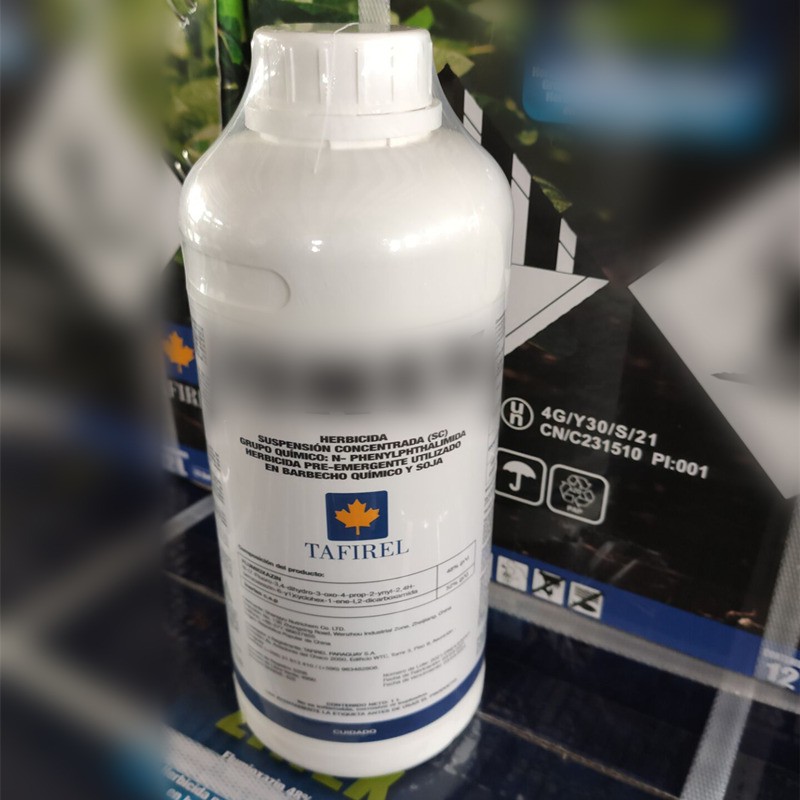
At our company, we offer a high - quality mesotrione product, Mesotrione 70G/L + Nicosulfuron 40G/L OD. This formulation combines the power of mesotrione with nicosulfuron, providing broad - spectrum weed control in corn fields. It can be used both pre - emergence and post - emergence, offering farmers flexibility in their weed management strategies.
Conclusion
In conclusion, mesotrione can be used both pre - emergence and post - emergence, each with its own advantages and limitations. The choice between the two application methods depends on various factors, including weed species, crop type, and environmental conditions. As a mesotrione supplier, we are committed to providing our customers with the information and products they need to make informed decisions about weed control.
If you are interested in learning more about our mesotrione products or have any questions about pre - emergence or post - emergence use, please do not hesitate to contact us for further discussion and potential procurement opportunities. We look forward to working with you to achieve effective weed management and successful crop production.
References
- Duke, S. O., & Powles, S. B. (2008). Glyphosate: A once - in - a - century herbicide. Pest Management Science, 64(4), 319 - 325.
- Shaner, D. L. (2014). Herbicides: Chemistry, Degradation, and Mode of Action. CRC Press.
- Werblow, A., & Owen, M. D. K. (2014). Mesotrione: A review of the herbicide's properties, weed control efficacy, and crop tolerance. Weed Technology, 28(2), 351 - 360.