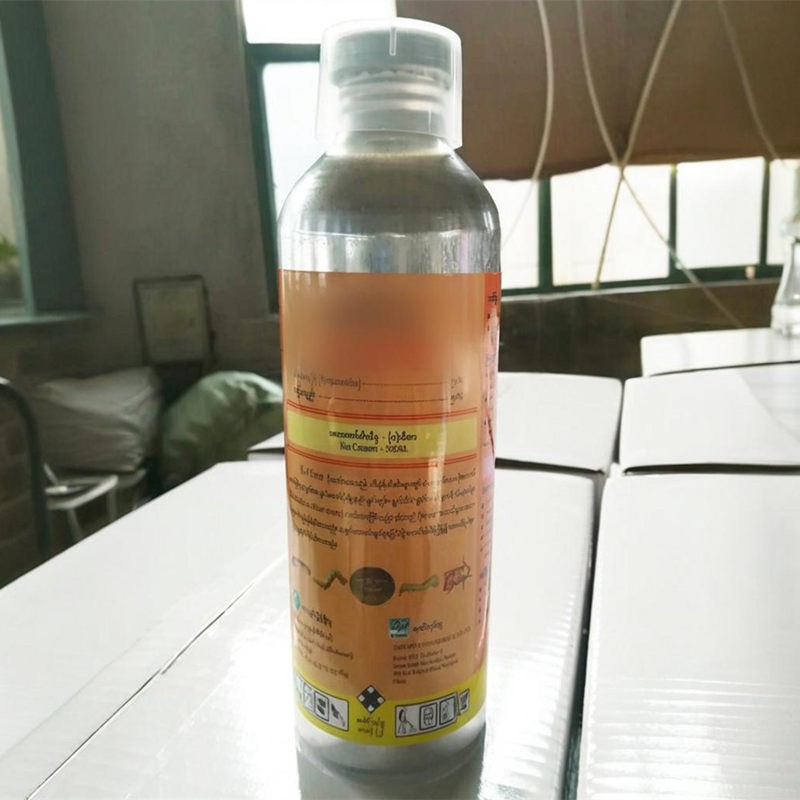
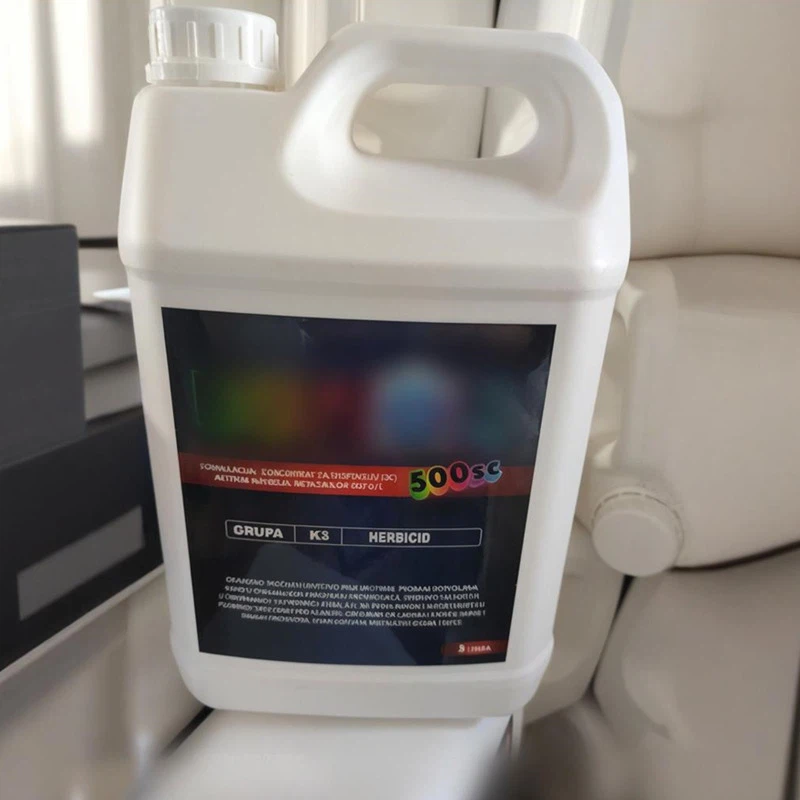
As a reliable bifenthrin supplier, I often receive inquiries from customers regarding the stability of bifenthrin under different temperature conditions. This is a crucial topic as the effectiveness and shelf - life of our products can be significantly impacted by temperature variations. In this blog, I will delve into the scientific aspects of bifenthrin's stability across diverse temperature ranges and share some essential insights for our valued customers.
Bifenthrin is a synthetic pyrethroid insecticide widely used in agricultural, residential, and industrial settings. Its broad - spectrum insecticidal properties make it a popular choice for controlling a wide range of pests, including ants, termites, mosquitoes, and beetles. At our company, we offer high - quality Bifenthrin 200G/L EC, which is formulated to provide excellent pest control performance.
Bifenthrin's Chemical Structure and General Stability
Before discussing its stability under different temperatures, it is important to understand the chemical structure of bifenthrin. Bifenthrin has a complex molecular structure with multiple aromatic rings and halogen atoms. This structure gives it relatively high stability compared to some other insecticides. In general, pyrethroids like bifenthrin are known for their resistance to degradation by light and air, which is one of the reasons for their long - lasting effectiveness in the environment.

Stability at Low Temperatures
Low temperatures can have both positive and negative effects on bifenthrin. On the positive side, cold conditions can slow down the chemical reactions that lead to degradation. When stored at low temperatures, typically between 0°C and 10°C, bifenthrin remains relatively stable. The reduced molecular motion at these temperatures minimizes the chances of chemical bonds breaking, which helps preserve the integrity of the active ingredient.
However, extremely low temperatures, such as those below - 20°C, can pose some challenges. At such low temperatures, the formulation of Bifenthrin 200G/L EC may experience phase separation. The emulsifiers and solvents in the formulation could solidify or separate from the active ingredient, leading to an uneven distribution of bifenthrin. This can affect the product's performance when it is later used. To ensure the stability of our products during cold storage and transportation, we recommend maintaining a temperature range of 2°C - 8°C whenever possible.
Stability at Room Temperature
Room temperature, usually considered to be around 20°C - 25°C, is a common storage condition for many pesticides. Bifenthrin is relatively stable at these temperatures. The chemical reactions that cause degradation occur at a slow rate. Under normal room - temperature conditions, the shelf - life of our Bifenthrin 200G/L EC can be several years if stored properly in a sealed container away from direct sunlight.
At room temperature, the active ingredient in bifenthrin remains in a stable state, and the formulation maintains its homogeneity. This makes it convenient for users to store and use the product over an extended period. However, it is still important to avoid exposing the product to excessive heat sources or fluctuations in temperature, as this can accelerate the degradation process.
Stability at High Temperatures
High temperatures can have a more significant impact on the stability of bifenthrin. As the temperature rises above 30°C, the rate of chemical reactions increases. At temperatures around 40°C - 50°C, the breakdown of bifenthrin can occur more rapidly. The heat can cause the chemical bonds in the molecule to weaken, leading to the formation of degradation products.
In addition to chemical degradation, high temperatures can also affect the physical properties of the Bifenthrin 200G/L EC formulation. The solvents may evaporate more quickly, which can change the concentration of the active ingredient and the overall performance of the product. Prolonged exposure to high temperatures can also cause the product to thicken or form sediment, making it difficult to use.
If the product is exposed to temperatures above 60°C, the degradation rate can be extremely high, and the product may lose a significant portion of its insecticidal activity within a short period. Therefore, it is crucial to store bifenthrin products in a cool place and avoid exposing them to direct sunlight or heat sources such as radiators or engines.
Impact of Temperature Cycling
Temperature cycling, which refers to the repeated change between high and low temperatures, can also affect the stability of bifenthrin. These fluctuations can cause stress on the chemical bonds in the molecule and the formulation. For example, when the product is exposed to high temperatures and then suddenly cooled, the rapid change in temperature can lead to the formation of cracks or separation in the formulation.
Temperature cycling can also increase the rate of moisture absorption, which can further accelerate the degradation of bifenthrin. To minimize the impact of temperature cycling, it is recommended to store the product in a location with a stable temperature environment.
Ensuring Product Quality and Stability
As a bifenthrin supplier, we take several measures to ensure the stability of our products. Our manufacturing process is carefully controlled to ensure the proper formulation and quality of Bifenthrin 200G/L EC. We use high - quality raw materials and advanced manufacturing techniques to enhance the stability of the active ingredient.
During storage and transportation, we follow strict temperature - control protocols. Our warehouses are equipped with temperature - monitoring systems to ensure that the products are stored within the recommended temperature range. We also use appropriate packaging materials that can protect the product from temperature variations and other environmental factors.
Conclusion and Call to Action
In conclusion, bifenthrin's stability is highly dependent on temperature conditions. While it is relatively stable at low and room temperatures, high temperatures and temperature cycling can significantly affect its performance and shelf - life. As a supplier, we are committed to providing high - quality bifenthrin products that maintain their stability under various conditions.
If you are interested in purchasing our Bifenthrin 200G/L EC or have any questions about bifenthrin stability, please feel free to contact us. We are here to offer you professional advice and support to ensure that you get the best results from our products. Whether you are an agricultural producer, a pest control professional, or a homeowner looking for effective pest control solutions, we have the right bifenthrin products for you.
References
- Casida, J. E., & Quistad, G. B. (1998). Pyrethroid insecticides. In Comprehensive Natural Products Chemistry (Vol. 7, pp. 385 - 418). Elsevier.
- Tomlin, C. D. S. (Ed.). (2009). The Pesticide Manual: A World Compendium (15th ed.). British Crop Protection Council.
- Ruzo, L. O. (1994). Photochemistry of pesticides. In Comprehensive Chemical Kinetics (Vol. 32, pp. 231 - 276). Elsevier.