Can metazachlor be used on fruit trees? That's a question I've been getting a lot lately as a metazachlor supplier. And it's a good one, 'cause using the right herbicide on fruit trees can make a huge difference in their health and productivity. So, let's dig into this topic and see what we can find out.
First off, let's talk a bit about metazachlor. Metazachlor is a pre - emergence herbicide. That means it's used to stop weeds from germinating in the first place. It works by interfering with the growth of weed seedlings, preventing them from developing properly. It's commonly used in a bunch of different crops, like oilseed rape, sugar beet, and potatoes. But what about fruit trees?
When it comes to using metazachlor on fruit trees, there are a few things to consider. One of the main factors is the safety of the fruit trees themselves. Fruit trees can be pretty sensitive, and using the wrong herbicide can cause damage to the tree, affect its growth, or even reduce the quality and quantity of the fruit it produces.
The good news is that in some cases, metazachlor can be used on fruit trees, but it has to be done right. For young fruit trees, it's usually a no - go. Their root systems are still developing, and they're more vulnerable to the effects of herbicides. Applying metazachlor around young fruit trees could potentially harm the roots and stunt their growth.
However, for mature fruit trees, the situation is a bit different. If applied correctly, metazachlor can help control weeds in the orchard. Weeds compete with fruit trees for nutrients, water, and sunlight. By getting rid of the weeds, the fruit trees can have better access to these essential resources, which can lead to healthier trees and better fruit yields.
But here's the catch. You have to be really careful with the application. You should only apply metazachlor when the soil is moist but not waterlogged. This helps the herbicide to be absorbed into the soil properly and work effectively. Also, you need to make sure that the metazachlor doesn't come into direct contact with the trunk or the foliage of the fruit trees. This can be done by using a shielded sprayer or applying the herbicide in a band around the base of the tree, keeping a safe distance from the trunk.
Another important thing to note is the timing of the application. Metazachlor is a pre - emergence herbicide, so it should be applied before the weeds start to germinate. In most cases, this means applying it in the early spring or late fall, depending on your local climate and the types of weeds you're dealing with.
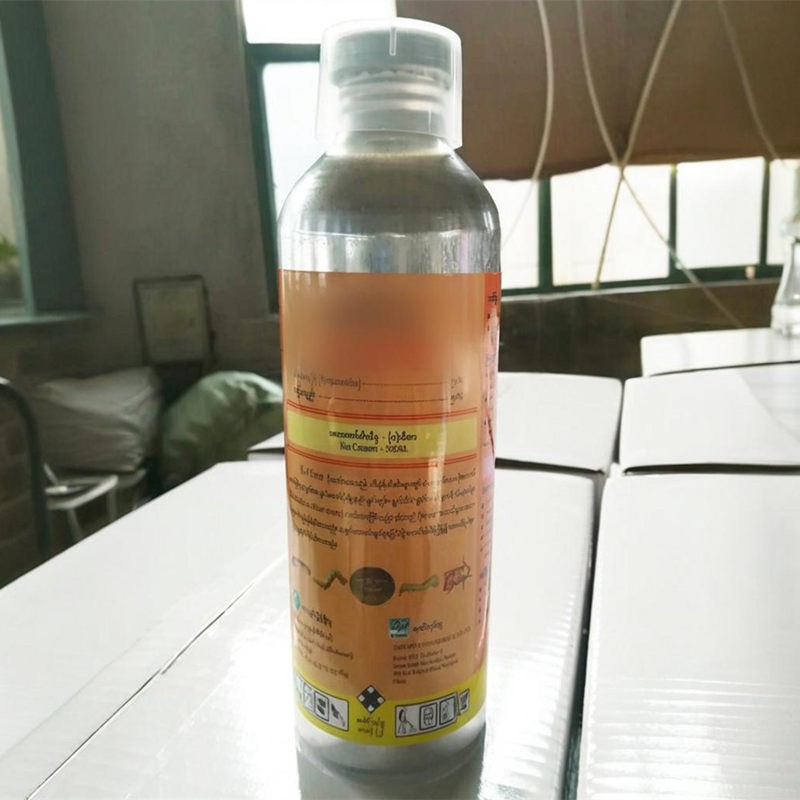
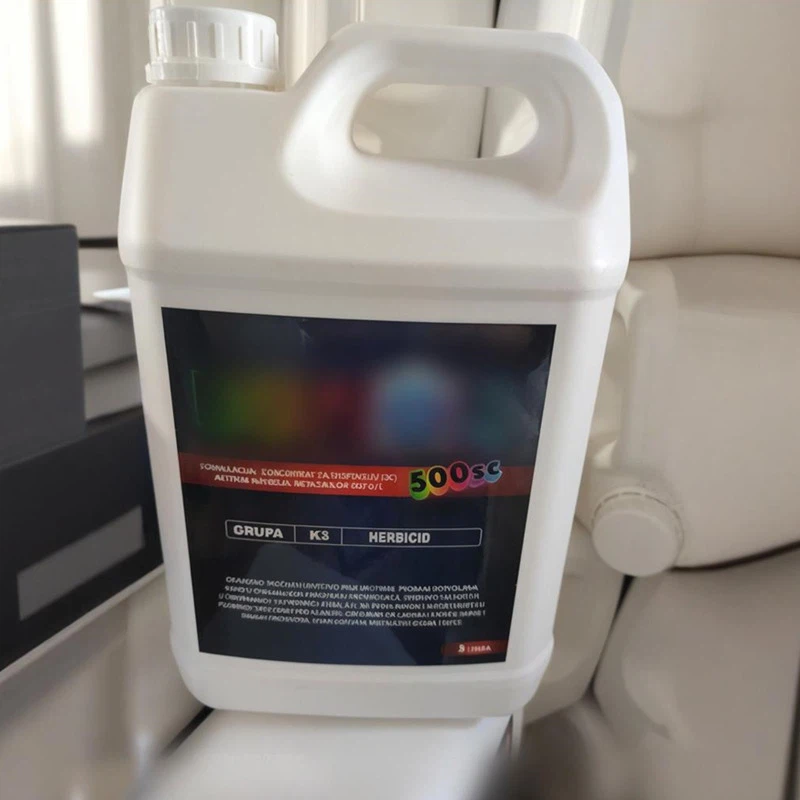
Now, let's talk about the product we offer, Metazachlor 500 G/L SC. This is a high - quality formulation of metazachlor that's designed to be effective against a wide range of weeds. It has a proven track record in controlling annual grasses and broad - leaved weeds.
The 500 G/L SC formulation means that it's a suspension concentrate. This makes it easy to mix with water and apply using standard spraying equipment. It also has good adhesion to the soil, which helps it to stay in place and work for a longer period of time.
When using our Metazachlor 500 G/L SC on fruit trees, it's important to follow the label instructions carefully. The label will provide detailed information on the application rates, safety precautions, and any restrictions. For example, it might tell you the maximum amount of the product you can use per acre, or if there are any waiting periods before you can harvest the fruit after application.
It's also a good idea to do a small test application on a few trees first. This way, you can see how the fruit trees react to the metazachlor and make sure that there aren't any unexpected negative effects. If everything looks good after the test, then you can go ahead and treat the rest of the orchard.
Of course, using metazachlor isn't the only way to control weeds in an orchard. There are other methods, like mechanical cultivation, mulching, and using other types of herbicides. But metazachlor can be a valuable tool in your weed - control arsenal, especially when used in combination with other methods.
Mechanical cultivation, like tilling or hoeing, can physically remove weeds from the soil. But it can also damage the roots of the fruit trees if not done carefully. Mulching, on the other hand, involves covering the soil around the trees with a layer of organic or inorganic material. This helps to suppress weed growth by blocking sunlight and preventing weed seeds from germinating.
Using a combination of metazachlor and these other methods can give you better weed control results. For example, you can apply metazachlor as a pre - emergence treatment, and then use mulch to keep the weeds down in the long term.
In conclusion, metazachlor can be used on fruit trees, but it's not a one - size - fits - all solution. It's important to consider the age of the trees, the application method, the timing, and to follow the label instructions. Our Metazachlor 500 G/L SC is a great product for weed control in orchards, but you need to use it responsibly.
If you're interested in learning more about using metazachlor on your fruit trees or if you're looking to purchase our Metazachlor 500 G/L SC, don't hesitate to reach out. We're here to help you make the best decisions for your orchard and ensure that you get the most out of your fruit trees.
References:
- Relevant agricultural extension publications on herbicide use in orchards
- Manufacturer's label and product information for Metazachlor 500 G/L SC