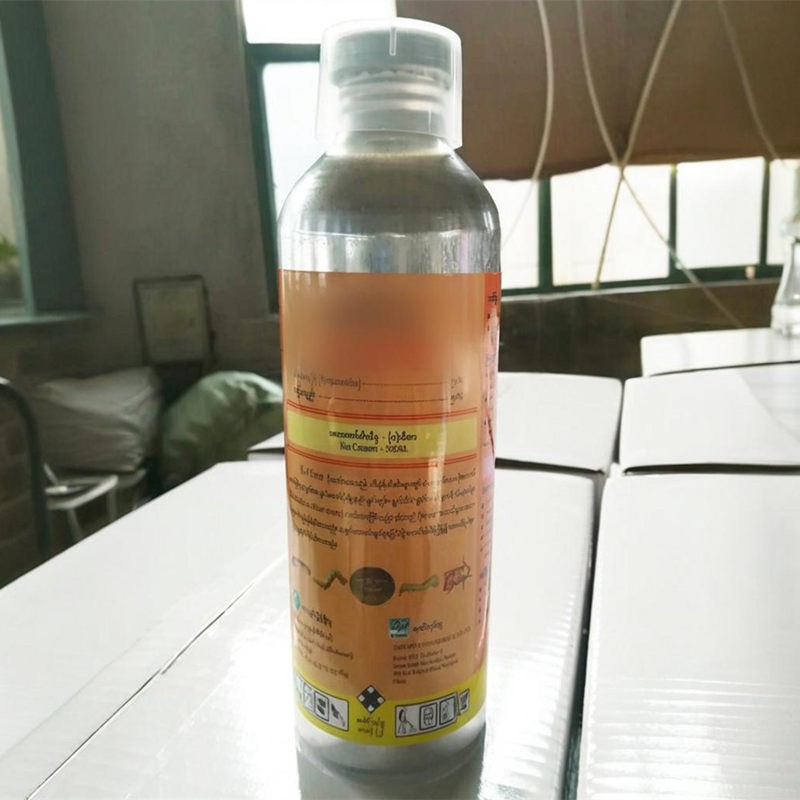
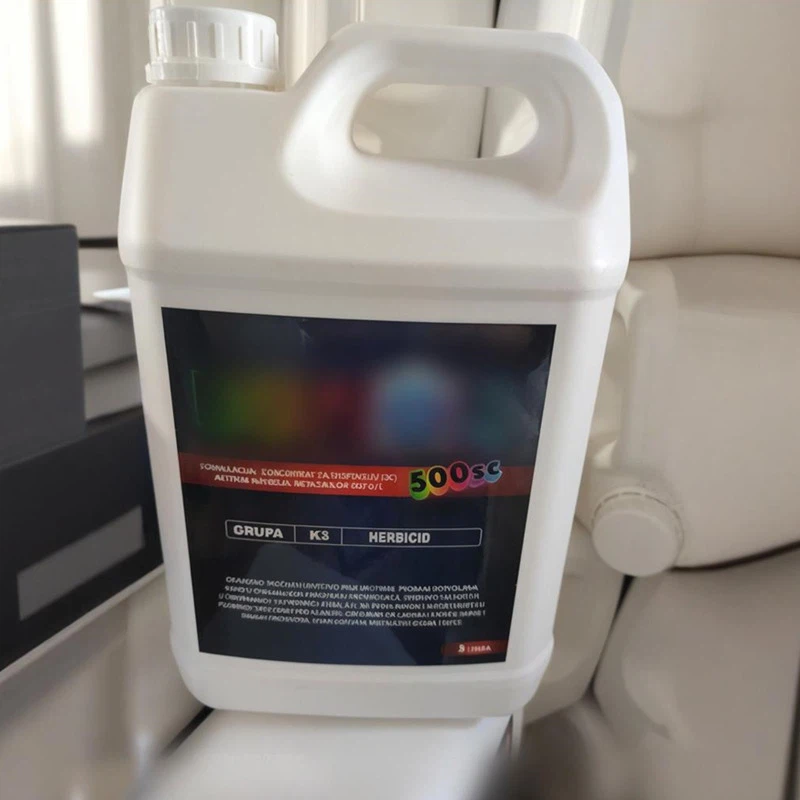
Hey there! As a thiamethoxam supplier, I've been getting a lot of questions lately about the impact of thiamethoxam on soil fertility. So, I thought I'd take some time to break it down and share what I've learned.
First off, let's understand what thiamethoxam is. Thiamethoxam is a widely - used insecticide that belongs to the neonicotinoid class. It's known for its effectiveness in controlling a variety of pests, such as aphids, whiteflies, and beetles. You can check out our Thiamethoxam 350G/L SC product, which is a popular choice among farmers and gardeners.
Now, onto the big question: what's the impact of thiamethoxam on soil fertility? Well, it's a bit of a mixed bag, and there are several factors to consider.
Positive Impacts on Soil Fertility
One of the indirect ways thiamethoxam can have a positive impact on soil fertility is by protecting plants from pests. When pests are controlled, plants can grow healthier and stronger. Healthy plants have better root systems, which in turn can improve soil structure. Strong roots can break up compacted soil, allowing for better water infiltration and air circulation. This is crucial for soil fertility because it helps beneficial soil organisms, like earthworms and bacteria, to thrive.
For example, if you have a field of wheat that's being attacked by aphids, the aphids can suck the sap out of the plants, weakening them. By using thiamethoxam to control the aphids, the wheat plants can grow to their full potential. Their roots will penetrate deeper into the soil, and as they do, they'll create channels for water and nutrients to move through. This can enhance the overall fertility of the soil over time.
Another positive aspect is that when plants are protected from pests, they can photosynthesize more efficiently. This means they can produce more organic matter, which is then added to the soil when the plants shed leaves or die. Organic matter is a key component of fertile soil as it provides nutrients for soil organisms and helps to retain moisture.
Negative Impacts on Soil Fertility
However, thiamethoxam also has some potential negative impacts on soil fertility. One of the main concerns is its effect on beneficial soil organisms. Neonicotinoids, including thiamethoxam, can be toxic to some soil - dwelling insects and microorganisms.
Earthworms are a prime example. Earthworms play a vital role in soil fertility. They break down organic matter, mix the soil layers, and improve soil aeration. Studies have shown that thiamethoxam can reduce earthworm populations. When earthworm numbers decline, the soil's ability to process organic matter and maintain its structure is compromised.
Similarly, some soil bacteria and fungi are also sensitive to thiamethoxam. These microorganisms are involved in important processes like nitrogen fixation and nutrient cycling. For instance, nitrogen - fixing bacteria convert atmospheric nitrogen into a form that plants can use. If thiamethoxam reduces the population of these bacteria, it can lead to a decrease in available nitrogen in the soil, which is essential for plant growth.
Another issue is the potential for thiamethoxam to persist in the soil. Thiamethoxam has a relatively long half - life, which means it can stay in the soil for an extended period. This long - term presence can lead to the accumulation of the chemical in the soil, increasing the risk of negative impacts on soil organisms and fertility.
Mitigating the Negative Impacts
As a supplier, we're aware of these concerns, and we want to ensure that our customers can use thiamethoxam in a way that minimizes its negative impacts on soil fertility.
One approach is to use thiamethoxam in a targeted manner. Instead of blanket spraying an entire field, you can use precision application techniques. For example, you can use seed treatments, where the thiamethoxam is applied directly to the seeds. This way, the insecticide is delivered exactly where it's needed, reducing the amount that ends up in the soil.
Another strategy is to use thiamethoxam in combination with other pest - control methods. Integrated Pest Management (IPM) is a holistic approach that combines chemical, biological, and cultural methods to control pests. By using thiamethoxam as part of an IPM program, you can reduce the overall amount of the chemical needed while still effectively controlling pests.
For example, you can introduce beneficial insects, like ladybugs, which can prey on aphids. You can also use cultural practices, such as crop rotation, to disrupt the life cycles of pests. By using these methods alongside thiamethoxam, you can lower the reliance on the chemical and reduce its potential negative impact on soil fertility.
Real - World Examples
Let's take a look at some real - world examples of how thiamethoxam has affected soil fertility. In a study conducted on a vegetable farm, they compared two plots. One plot was treated with thiamethoxam, and the other was left untreated. After a few growing seasons, they found that the plot treated with thiamethoxam had a slightly lower earthworm population. However, the overall soil fertility in terms of nutrient content didn't change significantly. This could be because the farmers were using other soil - improving practices, like adding compost, which helped to counteract the negative effects of thiamethoxam.
On the other hand, in a large - scale cornfield where thiamethoxam was used extensively without any other pest - control measures, there was a notable decline in soil microbial activity. The corn yields started to decline after a few years, which could be attributed to the reduced soil fertility caused by the long - term use of thiamethoxam.

Conclusion
In conclusion, thiamethoxam can have both positive and negative impacts on soil fertility. Its ability to protect plants from pests can indirectly improve soil fertility by enhancing plant growth and soil structure. However, its potential toxicity to beneficial soil organisms and its persistence in the soil are significant concerns.
As a thiamethoxam supplier, we're committed to providing our customers with the information they need to use our products responsibly. By using thiamethoxam in a targeted way and as part of an integrated pest - management strategy, we can minimize its negative impacts on soil fertility while still reaping the benefits of pest control.
If you're interested in learning more about our thiamethoxam products or have any questions about how to use them to maintain soil fertility, don't hesitate to reach out. We're here to help you make the best decisions for your farming or gardening needs. Let's work together to ensure that we can use thiamethoxam in a way that's both effective and sustainable for our soil.
References
- Smith, J. (2018). "The Effects of Neonicotinoids on Soil Organisms." Journal of Agricultural Science.
- Johnson, A. (2019). "Integrated Pest Management Strategies for Sustainable Agriculture." Agricultural Review.
- Brown, C. (2020). "Long - Term Impacts of Thiamethoxam on Soil Fertility." Soil Science Research.