As a supplier of clopyralid, I understand the importance of proper storage for this herbicide. Clopyralid is a widely used herbicide that effectively controls a variety of broadleaf weeds in agricultural and horticultural settings. However, like all chemical products, it must be stored correctly to maintain its efficacy, ensure safety, and comply with regulatory requirements. In this blog post, I will share some essential guidelines on how clopyralid should be stored.
Storage Location
The first consideration when storing clopyralid is the location. It should be stored in a dedicated, well - ventilated storage facility. A storage room or shed that is separate from living areas, food storage, and animal housing is ideal. This separation helps prevent any potential contamination risks.
The storage area should be dry to prevent moisture from affecting the product. Moisture can cause clopyralid formulations to degrade, leading to a loss of effectiveness. Additionally, damp conditions may promote the growth of mold and bacteria, which can further compromise the quality of the herbicide.

The storage location should also be cool. High temperatures can accelerate the chemical reactions within the clopyralid, causing it to break down more quickly. A temperature - controlled environment, if possible, is the best option. Generally, a storage temperature between 10°C and 30°C is recommended.
Storage Containers
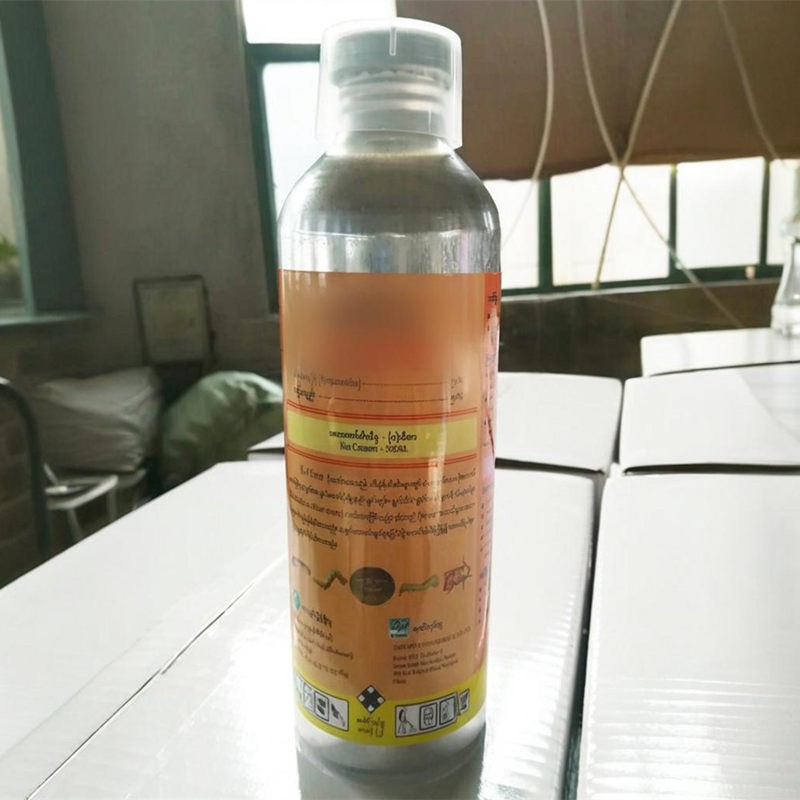
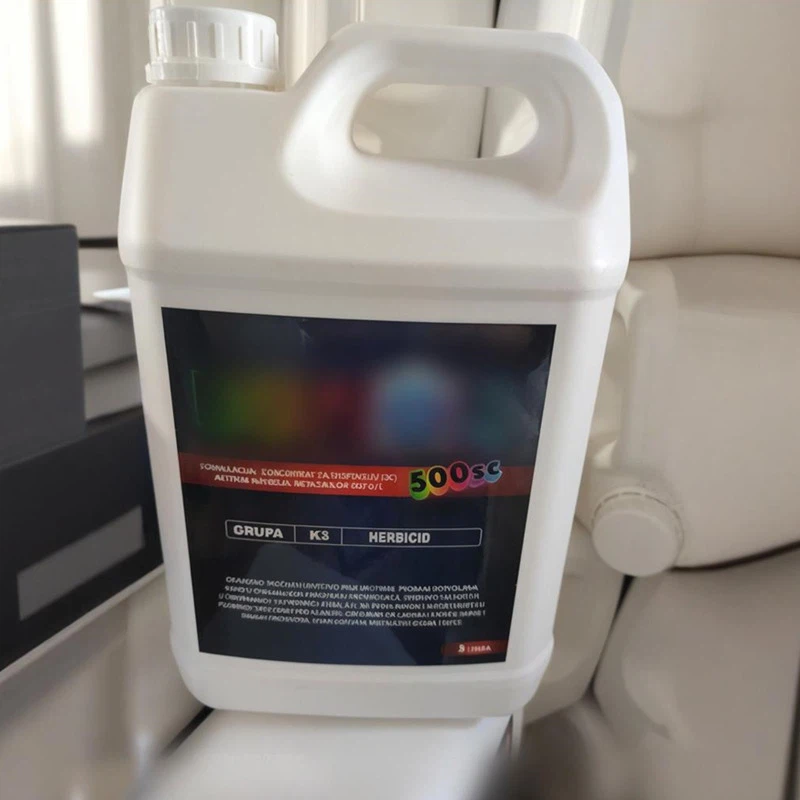
Clopyralid is typically supplied in specialized containers. These containers are designed to prevent leakage and protect the product from external factors. It is crucial to keep the herbicide in its original container. The original container is labeled with important information such as the product name, concentration, usage instructions, and safety warnings.
If for some reason, you need to transfer clopyralid to another container, make sure the new container is made of a compatible material. For example, plastic containers made of high - density polyethylene (HDPE) are often suitable for storing clopyralid. Avoid using containers that have previously held other chemicals, as residues may react with the clopyralid.
Protection from Physical Damage
The storage area should be arranged in a way that protects the clopyralid containers from physical damage. Containers can be stacked on pallets to keep them off the ground and prevent them from being crushed. When stacking, ensure that the weight is evenly distributed to avoid toppling.
Sharp objects or heavy machinery should be kept away from the storage area to prevent puncturing or damaging the containers. Any damaged containers should be immediately identified and transferred to a suitable, intact container, following proper safety procedures.
Labeling and Organization
Proper labeling is essential for the safe storage of clopyralid. Each container should be clearly marked with the product name, concentration, and batch number. In addition, it is a good practice to have a storage log that records the date of receipt, quantity, and expiration date of the clopyralid.
Organize the storage area in a logical manner. Group similar products together and arrange them by expiration date. This organization makes it easier to access the products when needed and ensures that older stock is used first, reducing the risk of product expiration.
Safety Precautions
Safety is of utmost importance when storing clopyralid. The storage area should be equipped with appropriate safety equipment, such as fire extinguishers, spill kits, and personal protective equipment (PPE). PPE such as gloves, goggles, and respirators should be readily available in case of accidental spills or leaks.
In case of a spill, follow the spill response procedures outlined on the product label. Contain the spill as quickly as possible to prevent it from spreading. Absorb the spilled clopyralid with an appropriate absorbent material, such as vermiculite or sand, and dispose of it according to local regulations.
Compatibility with Other Chemicals
Clopyralid should be stored away from other chemicals, especially those that are incompatible. Incompatible chemicals can react with clopyralid, leading to dangerous situations such as fires, explosions, or the release of toxic fumes.
For example, strong oxidizing agents, acids, and alkalis should be stored separately from clopyralid. Before storing any new chemicals in the same area, check their compatibility with clopyralid to avoid potential chemical reactions.
Regulatory Compliance
Make sure that the storage of clopyralid complies with all relevant local, state, and federal regulations. Different regions may have specific requirements regarding the storage of pesticides and herbicides. These regulations may cover aspects such as storage facility design, fire safety, and environmental protection.
Keep up - to - date with any changes in the regulations and ensure that your storage practices are always in line with the latest requirements. Non - compliance can result in significant fines and legal consequences.
Monitoring and Inspection
Regularly monitor and inspect the storage area and the clopyralid containers. Check for signs of leakage, damage, or degradation. Inspect the storage conditions, such as temperature and humidity, to ensure they are within the recommended range.
If any issues are detected during the inspection, take immediate action to address them. This may involve repairing a damaged container, adjusting the storage conditions, or disposing of expired products.
Our Product: Clopyralid 200G/L SL
At our company, we offer high - quality Clopyralid 200G/L SL. This product is formulated to provide effective weed control with a balanced concentration. Our strict quality control measures ensure that the product maintains its performance even during long - term storage when stored according to the guidelines mentioned above.
If you are in the market for a reliable clopyralid product, we invite you to contact us for a purchase negotiation. Our team of experts is ready to assist you with any questions you may have regarding product selection, storage, or usage. We are committed to providing you with the best products and services to meet your agricultural and horticultural needs.
References
- Product label of Clopyralid 200G/L SL.
- Local regulations on pesticide storage.
- Chemical safety data sheets for clopyralid.