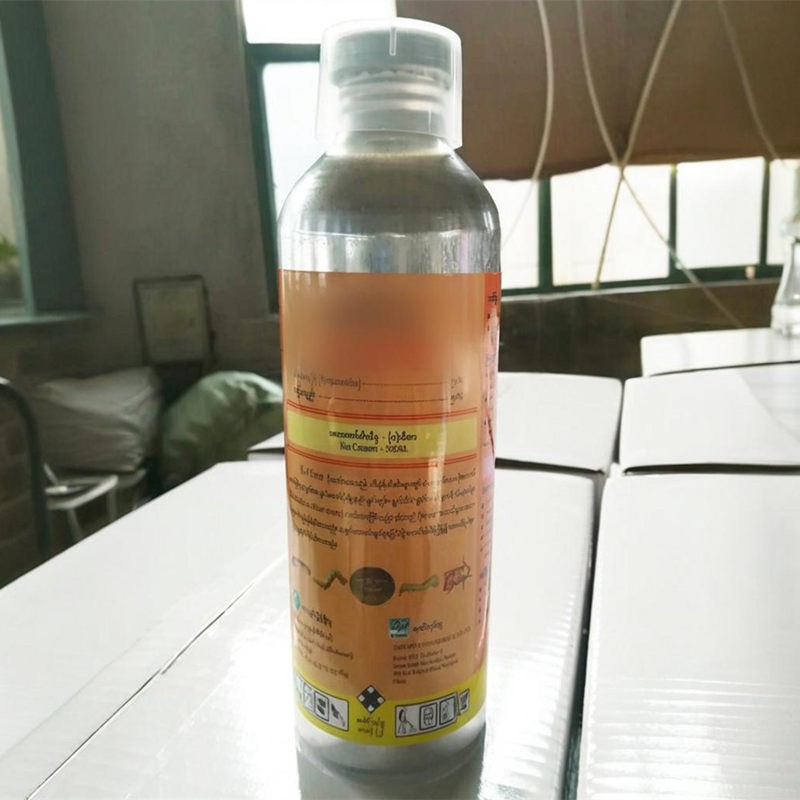
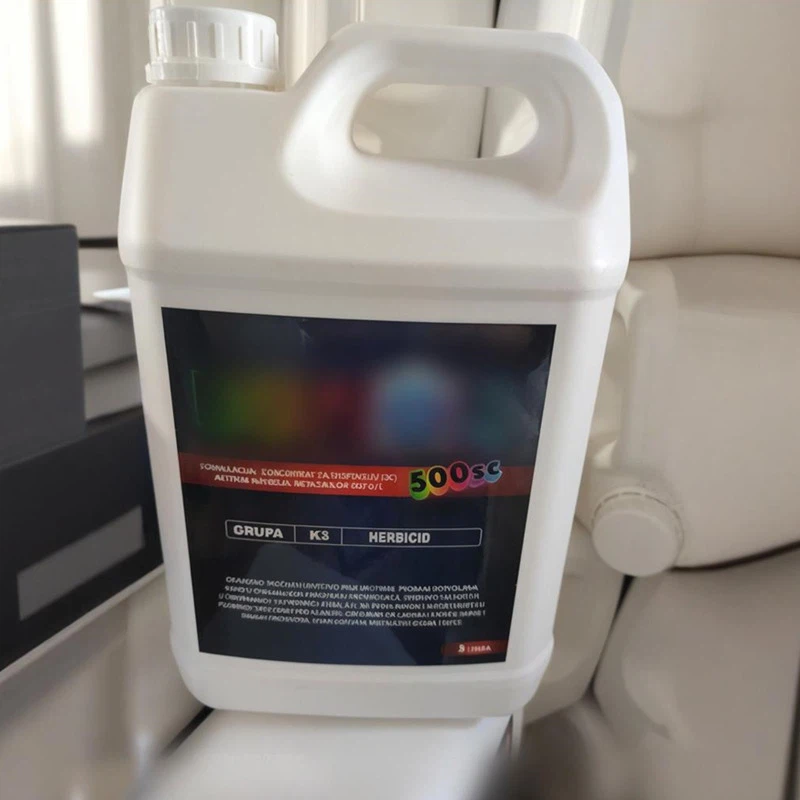
Fludioxonil is a well - known fungicide in the agricultural industry, celebrated for its remarkable efficacy against a wide range of fungal pathogens. As a leading supplier of fludioxonil, I have witnessed firsthand its widespread use in protecting crops from fungal diseases. However, in this blog, we will explore an often - overlooked aspect: the effect of fludioxonil on plant pests other than fungi.
1. Overview of Fludioxonil
Fludioxonil belongs to the phenylpyrrole class of fungicides. It works by inhibiting the germination of fungal spores and the growth of fungal hyphae. Its mode of action involves interfering with the osmoregulation system in fungi, disrupting their ability to adapt to changes in the environment and ultimately leading to their death. This fungicide has been used for many years in seed treatment, foliar applications, and post - harvest treatments to control diseases such as Fusarium, Botrytis, and Alternaria.

2. Impact on Insect Pests
2.1 Direct Toxicity
Although fludioxonil is primarily a fungicide, some studies have suggested that it may have direct toxic effects on certain insect pests. Insects have complex physiological systems, and the chemical structure of fludioxonil might interact with some of their biochemical pathways. For example, in laboratory studies, exposure to high concentrations of fludioxonil has been shown to cause reduced mobility and increased mortality in some species of aphids. Aphids are sap - sucking insects that can cause significant damage to crops by transmitting viruses and reducing plant vigor. The exact mechanism by which fludioxonil affects aphids is not fully understood, but it is hypothesized that it may interfere with their nervous system or disrupt their metabolic processes.
2.2 Indirect Effects on Insect Behavior
Fludioxonil can also have indirect effects on insect pests by altering the plant's physiological state. When plants are treated with fludioxonil, they may produce certain secondary metabolites or volatile organic compounds that can influence insect behavior. For instance, some studies have reported that fludioxonil - treated plants emit different scents compared to untreated plants. These altered scents can act as repellents or attractants to insects. In some cases, pests may be less likely to colonize fludioxonil - treated plants because the chemical changes in the plant make it less appealing as a food source or a suitable habitat.
3. Influence on Nematodes
3.1 Nematode Population Dynamics
Nematodes are microscopic roundworms that can cause serious damage to plant roots. They feed on plant cells, disrupt the root system, and make plants more susceptible to other diseases. Fludioxonil has shown potential in influencing nematode population dynamics. Some research indicates that fludioxonil can affect the hatching and survival of nematode eggs. In soil treated with fludioxonil, the number of newly hatched nematodes may be reduced, which can lead to a lower overall nematode population in the root zone.
3.2 Plant - Nematode Interaction
Fludioxonil can also enhance the plant's ability to resist nematode attacks. When plants are treated with fludioxonil, they may activate certain defense mechanisms that make them more tolerant to nematode infestations. For example, the treated plants may produce higher levels of defense - related proteins or antioxidants, which can help to reduce the damage caused by nematodes. Additionally, fludioxonil may improve the root structure and function of plants, making it more difficult for nematodes to penetrate and feed on the roots.
4. Impact on Mites
4.1 Mortality and Reproduction
Mites are another group of arthropods that can cause problems in agriculture. They can damage plant leaves by piercing and sucking the plant cells, leading to discoloration, stunted growth, and reduced yield. Similar to its effects on insects, fludioxonil may have direct and indirect impacts on mites. Laboratory experiments have shown that exposure to fludioxonil can increase mite mortality and reduce their reproductive rate. High - dose applications of fludioxonil can disrupt the mite's physiological processes, such as molting and egg - laying.
4.2 Feeding Behavior
Fludioxonil - treated plants may also change the feeding behavior of mites. Mites may be less likely to feed on plants that have been treated with fludioxonil. This could be due to changes in the plant's nutritional quality or the presence of chemical deterrents. As a result, the damage caused by mite infestations can be significantly reduced.
5. Our Product: Fludioxonil 24G/L + Difenoconazole 24G/L FS
At our company, we offer a high - quality product Fludioxonil 24G/L + Difenoconazole 24G/L FS. This formulation combines the power of fludioxonil with difenoconazole, another effective fungicide. While it is well - known for its excellent performance in controlling fungal diseases, the fludioxonil component in this product may also provide additional benefits in protecting plants from non - fungal pests as discussed above. The combination of these two active ingredients offers a broader spectrum of protection, ensuring healthier and more productive crops.
6. Conclusion and Call to Action
In conclusion, fludioxonil has more to offer than just its fungicidal properties. Its effects on plant pests other than fungi, including insects, nematodes, and mites, can provide additional value in crop protection. As a supplier, we are committed to providing high - quality fludioxonil products that can help farmers and growers achieve better yields and healthier crops. If you are interested in learning more about our fludioxonil products or discussing potential procurement opportunities, please reach out to us. We look forward to working with you to meet your agricultural needs.
References
- [List of scientific papers related to fludioxonil's effects on non - fungal pests. For example: Author, A., & Author, B. (Year). Title of the paper. Journal Name, Volume(Issue), Page numbers.]
- [If there are any industry reports or official documents, list them here.]