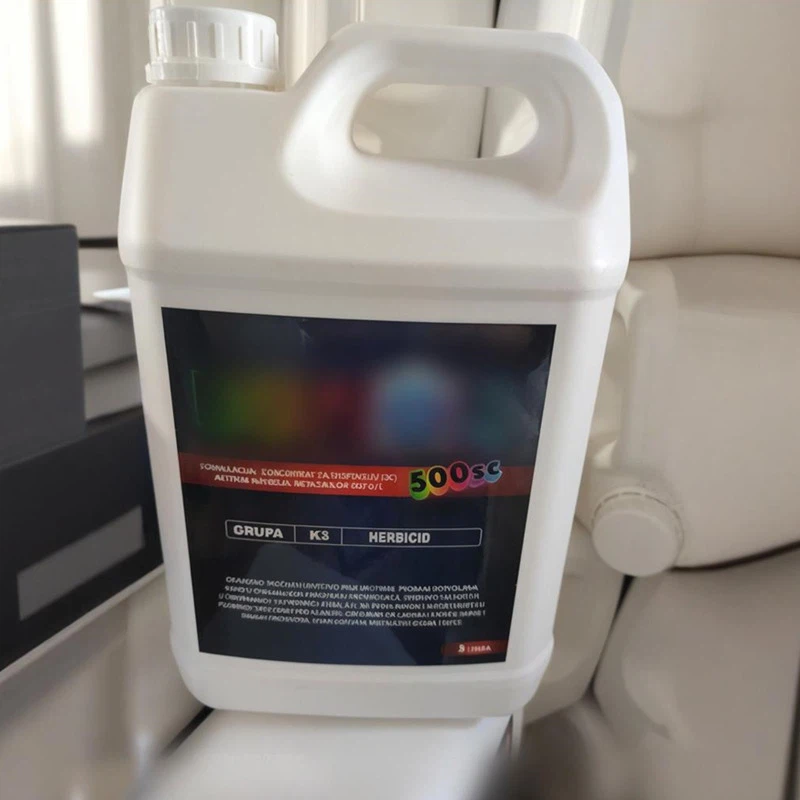
As a supplier of profenofos, I often encounter questions about the environmental impact of this widely - used insecticide, especially its effects on earthworms. Earthworms play a crucial role in soil ecosystems, and understanding how profenofos affects them is essential for sustainable agriculture and environmental protection.
The Importance of Earthworms in Soil Ecosystems
Earthworms are known as "ecosystem engineers" in the soil. They are involved in a variety of soil processes that are vital for soil health and fertility. Firstly, earthworms help in soil aeration. As they burrow through the soil, they create channels that allow air to penetrate deeper into the soil. This is important for the respiration of plant roots and soil microorganisms. Secondly, earthworms contribute to soil structure improvement. Their casting (excretion) activity binds soil particles together, creating aggregates that enhance water infiltration and reduce soil erosion.
Moreover, earthworms are involved in the decomposition of organic matter. They consume dead plant material and other organic debris, breaking them down into smaller particles. This process not only releases nutrients such as nitrogen, phosphorus, and potassium into the soil but also makes these nutrients more accessible to plants. In addition, earthworms can also influence the distribution of soil microorganisms. Their burrows provide habitats for beneficial bacteria and fungi, which further contribute to soil fertility and plant health.
How Profenofos Enters the Soil Environment
Profenofos is an organophosphate insecticide that is commonly used to control a wide range of pests in agricultural crops. It is typically applied as a spray on the foliage of plants or as a soil drench. When profenofos is sprayed on plants, some of it may reach the soil surface through drift or runoff. In the case of soil drench applications, the insecticide is directly introduced into the soil.
Once in the soil, profenofos can be adsorbed onto soil particles, especially those with high organic matter content. The adsorption process can affect the mobility and bioavailability of profenofos in the soil. Some of the profenofos may also be degraded by soil microorganisms or through chemical reactions in the soil environment. However, under certain conditions, profenofos can persist in the soil for an extended period, potentially posing a risk to soil - dwelling organisms such as earthworms.
The Impact of Profenofos on Earthworms
Acute Toxicity
Acute toxicity refers to the harmful effects of a substance on an organism over a short - term exposure. Studies have shown that profenofos can be highly toxic to earthworms in acute exposure scenarios. When earthworms are exposed to high concentrations of profenofos in the soil, they may exhibit symptoms such as reduced mobility, abnormal behavior, and even death.
The mechanism of acute toxicity of profenofos in earthworms is mainly related to its action on the nervous system. Profenofos, like other organophosphate insecticides, inhibits the activity of acetylcholinesterase (AChE), an enzyme that is essential for the normal functioning of the nervous system. When AChE is inhibited, acetylcholine, a neurotransmitter, accumulates in the synapses, leading to over - stimulation of the nervous system and ultimately causing paralysis and death.
Sub - lethal Effects
In addition to acute toxicity, profenofos can also cause sub - lethal effects on earthworms at lower exposure concentrations. These sub - lethal effects may not result in immediate death but can have long - term consequences for the health and survival of earthworms and the soil ecosystem as a whole.
One of the sub - lethal effects of profenofos on earthworms is a reduction in growth and reproduction. Earthworms exposed to profenofos may show slower growth rates, which can be attributed to the energy - consuming process of detoxifying the insecticide. Reproduction is also affected, as profenofos can reduce the number of cocoons produced by earthworms and the hatching success of these cocoons.
Profenofos can also affect the immune system of earthworms. Earthworms rely on their immune system to defend against pathogens and parasites. Exposure to profenofos can suppress the immune function of earthworms, making them more susceptible to diseases. This can lead to a decline in the earthworm population in the soil, which in turn can disrupt the soil ecosystem.
Factors Influencing the Impact of Profenofos on Earthworms
The impact of profenofos on earthworms is not only determined by the concentration of the insecticide but also by several other factors.
Soil Properties
Soil properties such as organic matter content, pH, and texture can significantly influence the behavior and toxicity of profenofos in the soil. Soils with high organic matter content tend to adsorb more profenofos, reducing its bioavailability to earthworms. On the other hand, in soils with low organic matter content, profenofos may be more mobile and bioavailable, increasing the risk of exposure to earthworms.
Soil pH can also affect the degradation and toxicity of profenofos. Profenofos is more stable in acidic soils, and its degradation rate is slower compared to alkaline soils. This means that in acidic soils, earthworms may be exposed to profenofos for a longer period, increasing the potential for toxic effects.
Earthworm Species
Different earthworm species may have different sensitivities to profenofos. Some species may be more tolerant to the insecticide due to their physiological and biochemical characteristics. For example, earthworm species with a higher capacity to detoxify xenobiotics may be less affected by profenofos compared to more sensitive species.
Environmental Conditions
Environmental conditions such as temperature and moisture can also influence the impact of profenofos on earthworms. Higher temperatures generally increase the metabolic rate of earthworms, which can affect their ability to detoxify profenofos. In addition, moisture content in the soil can affect the mobility of profenofos. In wet soils, profenofos may be more mobile and can more easily reach earthworms, increasing the risk of exposure.
Mitigating the Impact of Profenofos on Earthworms
As a profenofos supplier, we are committed to promoting the responsible use of our products to minimize their impact on the environment, including earthworms.
One of the key strategies for mitigating the impact of profenofos on earthworms is to follow the recommended application rates and methods. Over - application of profenofos not only increases the risk of environmental pollution but also poses a greater threat to earthworms and other non - target organisms. By using the correct application rates, we can ensure that the pest control objectives are achieved while minimizing the exposure of earthworms to the insecticide.
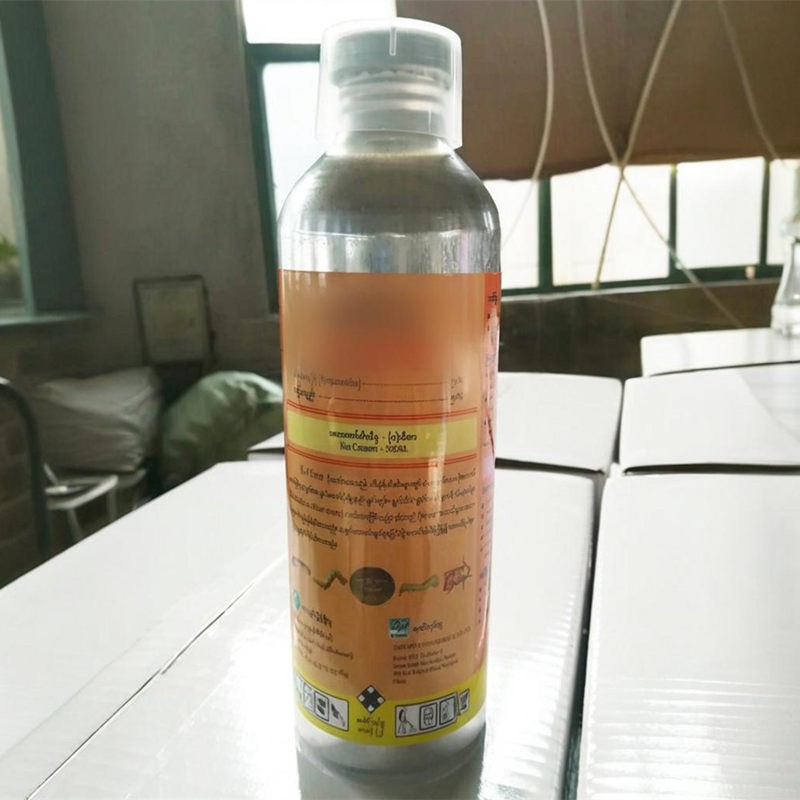
Another approach is to use integrated pest management (IPM) strategies. IPM combines different pest control methods, such as biological control, cultural control, and chemical control, in a sustainable way. By reducing the reliance on chemical insecticides like profenofos and using biological control agents such as natural enemies of pests, we can reduce the overall impact on earthworms and the soil ecosystem.
We also recommend conducting soil tests before applying profenofos. Soil tests can provide information about soil properties such as organic matter content and pH, which can be used to adjust the application rate and method of profenofos. For example, in soils with high organic matter content, a lower application rate may be sufficient to achieve the desired pest control effect.
Conclusion
In conclusion, profenofos can have significant impacts on earthworms, both in terms of acute toxicity and sub - lethal effects. However, by understanding the factors that influence these impacts and implementing appropriate mitigation strategies, we can minimize the negative effects of profenofos on earthworms and the soil ecosystem.
As a reliable profenofos supplier, we offer high - quality Profenofos 500G/L EC products that meet the strictest quality and safety standards. We are always ready to provide technical support and advice on the proper use of profenofos to ensure its effectiveness in pest control while protecting the environment. If you are interested in purchasing our profenofos products or have any questions regarding its use, please feel free to contact us for further discussion and negotiation.
References
- Edwards, C. A., & Bohlen, P. J. (1996). Biology and Ecology of Earthworms. Chapman & Hall.
- Kaushik, A., & Garg, V. K. (2003). Toxicity of pesticides to earthworms - a review. Ecotoxicology and Environmental Safety, 56(2), 167 - 186.
- Van Gestel, C. A. M., & Van Brummelen, T. (1996). Toxicity of pesticides to earthworms. In Earthworm Ecology (pp. 245 - 266). CRC Press.