


Yo, folks! I'm a supplier of profenofos, and I often get asked if profenofos can be used on fruit trees. So, I thought I'd write this blog to clear things up and give you the lowdown on using profenofos in your fruit orchards.
First things first, let's talk about what profenofos is. Profenofos is an organophosphate insecticide. It's pretty effective against a whole bunch of pests, including caterpillars, aphids, and mites. It works by interfering with the nervous system of these pests, which basically paralyzes and then kills them.
When it comes to using it on fruit trees, there are definitely some pros and cons. Let's start with the good stuff.
The Advantages of Using Profenofos on Fruit Trees
One of the biggest advantages is its broad - spectrum activity. As I mentioned earlier, it can target a wide variety of pests. In a fruit orchard, you've got all sorts of critters that can damage your fruit. Caterpillars can munch on the leaves and even bore into the fruit, while aphids can suck the sap out of the branches. Profenofos can help keep these pests in check, which means you're more likely to have a healthy and productive crop.
Another plus is its relatively quick action. Once you spray it on the trees, it starts working pretty fast. This is important because in the world of fruit farming, time is of the essence. If you spot an infestation, you want to get rid of it as soon as possible before it spreads and causes too much damage.
It also has a residual effect. That means it stays on the surface of the leaves and branches for a while, continuing to protect the tree from new pest attacks. This is great for long - term pest management in your orchard.
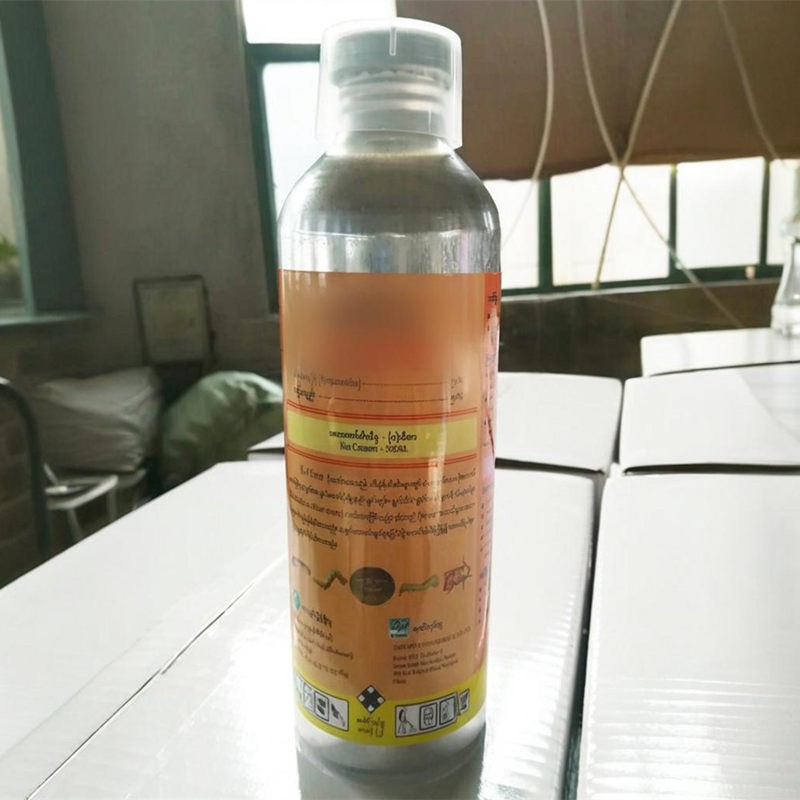
We offer Profenofos 500G/L EC, which is a popular formulation of this insecticide and is often preferred by many fruit growers for its convenience and effectiveness.
The Disadvantages and Precautions
But, it's not all sunshine and rainbows. There are some things you need to be aware of when using profenofos on fruit trees.
One of the main concerns is its toxicity. Profenofos is a highly toxic chemical, not just to pests but also to humans and other non - target organisms. If you're handling it, you need to take proper safety precautions. Wear protective clothing, like gloves, goggles, and a respirator. You also need to make sure that you're following all the local regulations regarding its use.
Another issue is the risk of residue on the fruit. Since it's used on the trees that produce the fruit we eat, there's always a chance that some of the insecticide will remain on the fruit. This is why it's crucial to follow the recommended pre - harvest intervals. These intervals specify the amount of time you need to wait between the last application of profenofos and the harvest of the fruit. This gives the chemical enough time to break down and reduces the risk of consuming harmful residues.
There's also the concern about resistance. If you use profenofos too frequently, pests can develop resistance to it. This means that over time, the insecticide will become less and less effective, and you'll have to look for other solutions. To prevent this, it's a good idea to use profenofos in rotation with other insecticides.
How to Use Profenofos on Fruit Trees
If you've decided that you want to use profenofos on your fruit trees, here's how you should go about it.
First, you need to identify the pests. Different pests may require different application rates and frequencies. For example, if you're dealing with a severe caterpillar infestation, you might need to use a higher concentration of the insecticide compared to a mild aphid problem.
Next, mix the profenofos according to the instructions on the label. Make sure you're using clean water and that you mix it thoroughly.
When it comes to spraying, do it when the weather is calm and dry. Avoid spraying on windy days because the insecticide can drift off - target and cause problems. Early morning or late evening are usually the best times to spray because the temperature is cooler, and the leaves are less likely to get burned.
Make sure you cover all parts of the tree, including the undersides of the leaves, where pests often hide. But be careful not to over - spray, as this can increase the risk of residue on the fruit.
Case Studies
Let me share a few real - life examples of fruit growers who've used profenofos.
There's this peach orchard in California. The grower was facing a major problem with codling moths. These pests were causing significant damage to the peaches, and they'd tried several other insecticides without much success. When they switched to profenofos, they noticed a huge improvement. The moth population decreased dramatically, and their peach yield increased. They followed the safety guidelines and pre - harvest intervals, and there were no issues with residue on the fruit.
On the other hand, there was an apple orchard in Washington. The farmer used profenofos too frequently without rotating it with other insecticides. After a few seasons, they noticed that the pest control was becoming less effective. The pests had developed resistance to the chemical, and they had to scramble to find a new solution.
Conclusion
So, can profenofos be used on fruit trees? The answer is yes, but with caution. It has its advantages in terms of pest control, but you need to be aware of the potential risks and take the necessary precautions. If used correctly, it can be a valuable tool in your fruit - growing arsenal.
If you're interested in learning more about profenofos and how it can work for your specific fruit - tree situation, or if you're looking to purchase Profenofos 500G/L EC, I'd love to have a chat with you. Feel free to reach out, and we can discuss how we can meet your pest - control needs.
References
- "Insecticide Manual" - A comprehensive guide on various insecticides, including profenofos.
- Research papers from agricultural universities on the use of profenofos in fruit orchards.


