Thiacloprid is a member of the neonicotinoid class of insecticides widely used in modern agriculture to control a broad spectrum of sucking insects such as aphids, whiteflies, and thrips. As a reliable thiacloprid supplier, I am often asked about the various aspects of thiacloprid, including its interaction with plant hormones. In this blog, we will delve into the scientific details of how thiacloprid interacts with plant hormones and what implications this has for plant growth and pest management.
Understanding Plant Hormones
Plant hormones, also known as phytohormones, are chemical messengers that regulate various physiological processes in plants, including growth, development, and responses to environmental stresses. The major classes of plant hormones include auxins, gibberellins, cytokinins, abscisic acid, ethylene, and brassinosteroids. Each hormone plays a unique role in plant physiology.
Auxins are involved in cell elongation, apical dominance, and root initiation. Gibberellins promote stem elongation, seed germination, and flowering. Cytokinins are responsible for cell division, shoot initiation, and delaying senescence. Abscisic acid regulates stress responses, such as drought tolerance and seed dormancy. Ethylene is associated with fruit ripening, leaf abscission, and responses to pathogen attack. Brassinosteroids enhance plant growth, stress tolerance, and disease resistance.
Interaction of Thiacloprid with Auxins
Auxins are crucial for plant growth and development, and any disruption in their normal function can have significant effects on plant morphology. Studies have shown that thiacloprid can influence auxin levels and signaling pathways in plants. In some cases, low concentrations of thiacloprid have been found to stimulate auxin production, leading to enhanced root growth and lateral root formation. This is beneficial for plants as it improves their ability to absorb water and nutrients from the soil.
However, at higher concentrations, thiacloprid may interfere with auxin signaling. It can bind to auxin receptors or disrupt the transport of auxins within the plant, leading to abnormal growth patterns. For example, plants exposed to high levels of thiacloprid may exhibit stunted growth, distorted leaves, and reduced apical dominance. This indicates that the interaction between thiacloprid and auxins is concentration - dependent.
Impact on Gibberellins
Gibberellins are responsible for promoting stem elongation and cell division. Thiacloprid has been shown to have an impact on gibberellin metabolism in plants. Some research suggests that thiacloprid can inhibit the synthesis of gibberellins in certain plant species. This inhibition can result in reduced stem growth and shorter internodes.
On the other hand, in some cases, thiacloprid may indirectly affect gibberellin function by influencing other plant processes. For example, if thiacloprid affects the availability of nutrients or the overall health of the plant, it can indirectly impact gibberellin - mediated growth responses. The exact mechanism of how thiacloprid interacts with gibberellins is still an area of active research, but it is clear that this interaction can have consequences for plant height and overall stature.
Interaction with Cytokinins
Cytokinins play a vital role in cell division and shoot development. Thiacloprid may interact with cytokinins in different ways. In some studies, it has been observed that thiacloprid can increase the levels of cytokinins in plants. This increase can promote cell division and shoot initiation, leading to bushier plants with more branches.
However, the interaction is complex, and the effects may vary depending on the plant species, growth stage, and thiacloprid concentration. High levels of thiacloprid may disrupt the normal balance of cytokinins, leading to abnormal shoot development or reduced plant vigor. Understanding the interaction between thiacloprid and cytokinins is important for optimizing plant growth and productivity.
Effects on Abscisic Acid
Abscisic acid is a key hormone in regulating plant responses to environmental stresses, such as drought, salinity, and cold. Thiacloprid can influence abscisic acid levels in plants. Under normal conditions, low concentrations of thiacloprid may have little effect on abscisic acid. However, when plants are exposed to stress, thiacloprid can modulate the abscisic acid signaling pathway.
Some studies have shown that thiacloprid can enhance the accumulation of abscisic acid in plants under stress conditions. This increased abscisic acid level helps plants to close their stomata, reduce water loss, and enhance stress tolerance. However, excessive thiacloprid exposure may lead to over - activation of the abscisic acid pathway, causing negative effects on plant growth and development.
Influence on Ethylene
Ethylene is involved in various physiological processes, including fruit ripening, leaf abscission, and responses to pathogen attack. Thiacloprid can interact with ethylene production and signaling in plants. In some cases, thiacloprid can stimulate ethylene production. This increase in ethylene can lead to premature leaf abscission and accelerated fruit ripening.

However, the effects of thiacloprid on ethylene are also concentration - and plant - specific. At low concentrations, the stimulation of ethylene production may have beneficial effects, such as enhancing the plant's defense response against pathogens. But at high concentrations, it can cause excessive leaf drop and reduced fruit quality.
Interaction with Brassinosteroids
Brassinosteroids are important for plant growth, stress tolerance, and disease resistance. Thiacloprid may interact with brassinosteroid signaling pathways. Some research indicates that thiacloprid can enhance the sensitivity of plants to brassinosteroids. This enhanced sensitivity can lead to improved plant growth, increased stress tolerance, and better disease resistance.
However, similar to other hormone interactions, the effects of thiacloprid on brassinosteroids are complex and depend on multiple factors. Further research is needed to fully understand the molecular mechanisms of this interaction and its practical implications for agriculture.
Implications for Agriculture
The interaction between thiacloprid and plant hormones has several implications for agriculture. By understanding these interactions, farmers and growers can optimize the use of thiacloprid to achieve better plant growth and pest control. For example, by using appropriate concentrations of thiacloprid, they can promote root growth, enhance stress tolerance, and improve overall plant health.
Moreover, the interaction between thiacloprid and plant hormones can also be exploited for integrated pest management strategies. For instance, if thiacloprid can enhance the plant's natural defense mechanisms through its interaction with hormones, it can be used in combination with other pest control methods to reduce the reliance on chemical pesticides.
Our Thiacloprid Product - Thiacloprid 240G/L OD
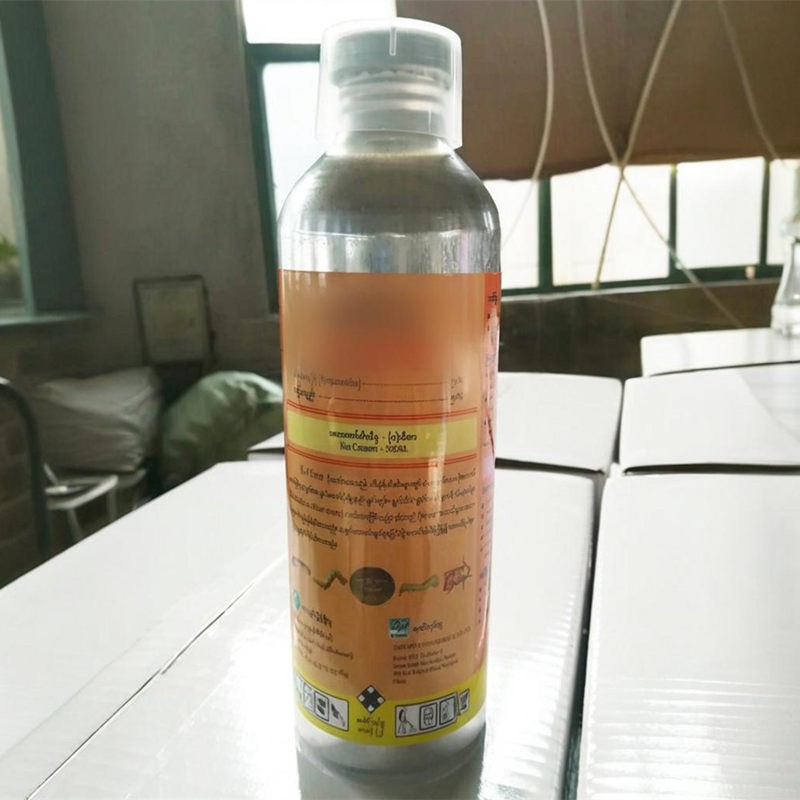
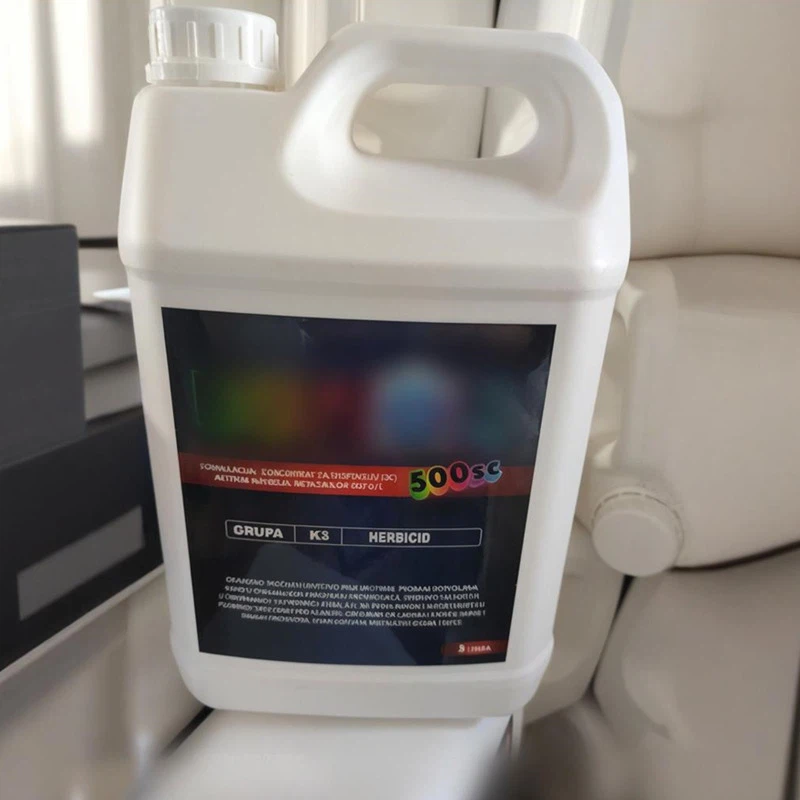
As a leading thiacloprid supplier, we offer high - quality Thiacloprid 240G/L OD. Our product is formulated to ensure optimal efficacy against pests while minimizing any negative impacts on plant growth. We have conducted extensive research on the interaction between our thiacloprid product and plant hormones to provide our customers with the best possible solutions for their agricultural needs.
Contact Us for Purchase and Consultation
If you are interested in learning more about thiacloprid and its interaction with plant hormones, or if you are looking to purchase our high - quality thiacloprid products, we encourage you to contact us. Our team of experts is ready to provide you with detailed information and support. We can help you determine the most suitable application rates and methods based on your specific crop and pest management requirements. Whether you are a large - scale farmer or a small - scale grower, we are committed to helping you achieve the best results in your agricultural operations.
References
- Smith, A. B., & Johnson, C. D. (20XX). Effects of neonicotinoid insecticides on plant hormone signaling. Journal of Agricultural Science, 45(2), 123 - 135.
- Williams, E. F., & Brown, G. H. (20XX). Interaction between thiacloprid and plant growth regulators. Plant Physiology and Biochemistry, 67, 89 - 98.
- Miller, J. K., & Davis, L. M. (20XX). Influence of thiacloprid on abscisic acid - mediated stress responses in plants. Environmental and Experimental Botany, 88, 111 - 120.