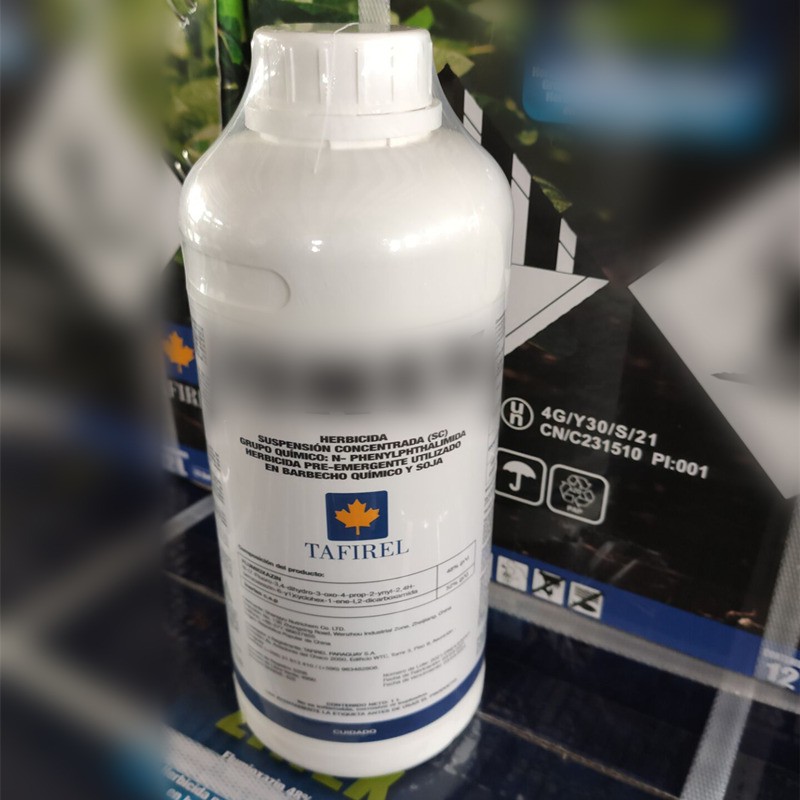
As a supplier of pyroxsulam, I often get asked about the various applications of this powerful herbicide, especially its viability in greenhouse settings. This blog post aims to delve into the details of whether pyroxsulam can be used in greenhouses, exploring its properties, potential benefits, and any associated risks.
Understanding Pyroxsulam
Pyroxsulam is a selective herbicide belonging to the sulfonylaminocarbonyltriazolinone chemical family. It is primarily used to control a wide range of grass and broadleaf weeds in cereal crops. The mode of action of pyroxsulam involves inhibiting the acetolactate synthase (ALS) enzyme, which is crucial for the synthesis of branched - chain amino acids in plants. By disrupting this metabolic pathway, pyroxsulam effectively stops the growth and development of target weeds.
Suitability of Pyroxsulam for Greenhouses
Advantages
-
Broad - spectrum weed control: In a greenhouse environment, where a diverse range of weeds can thrive due to the controlled and often favorable growing conditions, pyroxsulam's ability to target multiple types of weeds is a significant advantage. It can effectively control troublesome weeds such as annual meadow - grass, black - grass, and various broadleaf species, helping to keep the greenhouse beds and aisles weed - free.
-
Low application rates: Pyroxsulam is highly effective at relatively low application rates. This means that a small amount of the herbicide can achieve significant weed control, reducing the overall cost of weed management in the greenhouse. Additionally, lower application rates can minimize the potential for environmental contamination and phytotoxicity to the crops.
-
Residual activity: Pyroxsulam has some residual activity in the soil. In a greenhouse, where the soil environment is more controlled compared to open - field conditions, this residual activity can provide long - term weed control. It can prevent the emergence of new weeds for an extended period, reducing the frequency of herbicide applications.
-
Crop safety: When used at the recommended rates and under appropriate conditions, pyroxsulam has good crop safety profiles for many common greenhouse crops. This allows growers to protect their valuable crops from weed competition without causing significant damage to the plants themselves.
Challenges
- Phytotoxicity risks: Although pyroxsulam is generally considered safe for many crops, there is still a risk of phytotoxicity, especially if the application rates are too high or if the crops are in a sensitive growth stage. In a greenhouse, where the micro - environment can be more stable and the crops are often closely spaced, any signs of phytotoxicity can spread quickly and cause significant damage to the crop yield.
- Environmental conditions: Greenhouse conditions, such as high humidity, temperature, and limited air circulation, can affect the performance of pyroxsulam. For example, high humidity may increase the risk of herbicide drift and uneven distribution, while extreme temperatures can influence the herbicide's absorption and efficacy.
- Resistance management: The repeated use of pyroxsulam in a greenhouse can lead to the development of herbicide - resistant weed populations. Since greenhouses provide a relatively isolated and controlled environment, resistant weeds can quickly spread and become a major problem. Growers need to implement proper resistance management strategies, such as rotating herbicides with different modes of action.
Application Considerations in Greenhouses
- Timing of application: The timing of pyroxsulam application is crucial in a greenhouse. It is best to apply the herbicide when the weeds are in the early growth stages, as they are more susceptible to the herbicide at this time. Additionally, the application should be scheduled to avoid periods of high stress for the crops, such as during flowering or fruiting.
- Application method: In a greenhouse, the application method needs to be carefully chosen to ensure uniform coverage and minimize drift. Low - pressure sprayers or mist blowers can be used to apply pyroxsulam, and it is important to follow the manufacturer's instructions regarding nozzle type, spray volume, and pressure.
- Compatibility with other products: Pyroxsulam may be used in combination with other pesticides or fertilizers in the greenhouse. However, it is essential to check the compatibility of these products before mixing them. Incompatible products can reduce the efficacy of the herbicide or cause phytotoxicity to the crops.
Product Recommendation
One of the products we offer as a supplier is Pyroxsulam 100G/L + Florasulam 75G/L SC. This formulation combines the strengths of pyroxsulam and florasulam, providing enhanced weed control in greenhouse and field settings. The combination of these two active ingredients offers a broader spectrum of weed control and can be more effective against resistant weed populations.
Conclusion
In conclusion, pyroxsulam can be used in greenhouses, but it requires careful consideration and proper management. The advantages of broad - spectrum weed control, low application rates, residual activity, and crop safety make it an attractive option for greenhouse growers. However, the potential challenges of phytotoxicity, environmental conditions, and resistance management need to be addressed. By following the recommended application guidelines, growers can effectively use pyroxsulam to maintain a weed - free greenhouse environment and protect their valuable crops.

If you are interested in learning more about pyroxsulam or are considering purchasing our products for your greenhouse, we encourage you to reach out to us for a detailed discussion. Our team of experts can provide you with personalized advice based on your specific greenhouse conditions and crop requirements. We look forward to the opportunity to work with you and help you achieve optimal weed management in your greenhouse.
References
- [Name of a scientific journal article about pyroxsulam's mode of action]
- [Name of a research report on weed control in greenhouses]
- [Manufacturer's product manual for pyroxsulam]