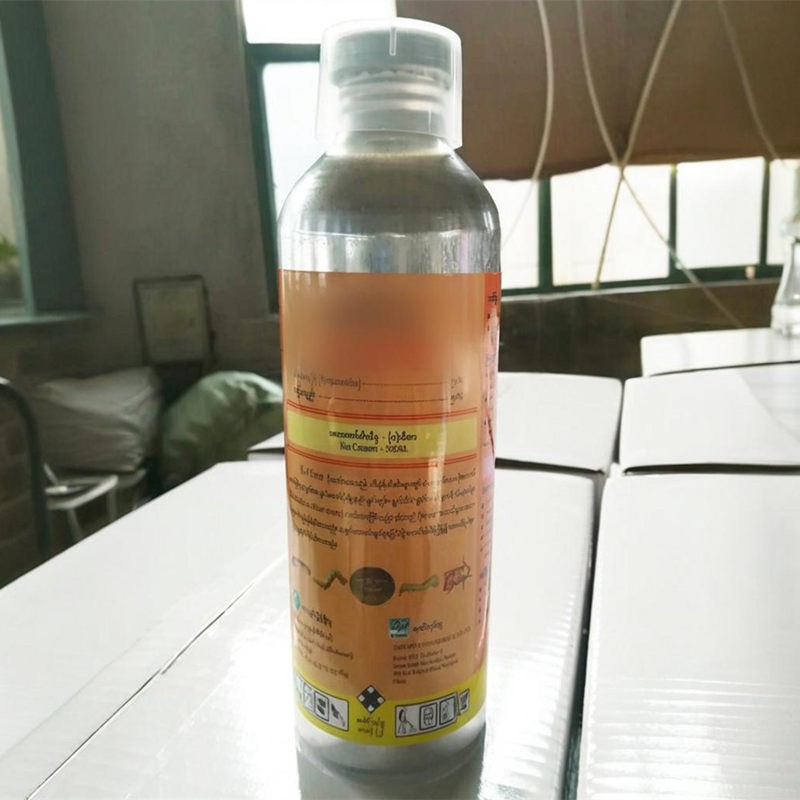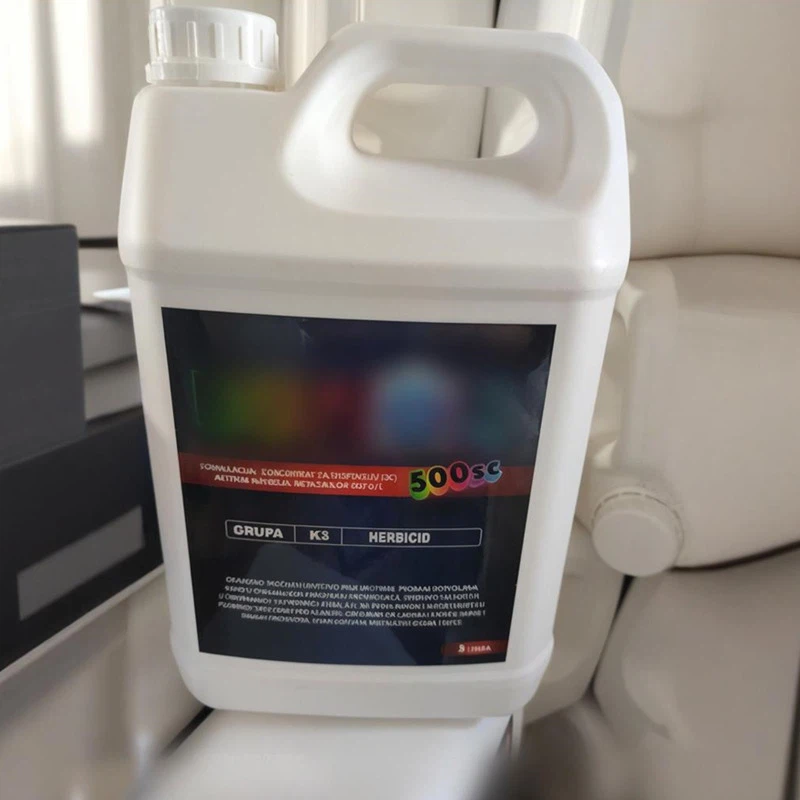
Hey there! I'm a supplier of thiamethoxam, and I often get asked, "Can thiamethoxam be used on all crops?" Well, let's dive into this topic and find out.
First off, what is thiamethoxam? It's a widely - used insecticide that belongs to the neonicotinoid class. Neonicotinoids are known for their effectiveness in controlling a variety of insect pests. Thiamethoxam works by interfering with the nervous system of insects, leading to paralysis and eventually death.
Now, let's talk about the crops on which thiamethoxam can be used. Thiamethoxam has a broad - spectrum of activity, which means it can be used on many different types of crops.
1. Cereal Crops
Cereals like wheat, barley, and rice are major food crops around the world. Thiamethoxam can be used to protect these crops from pests such as aphids. Aphids are tiny insects that can suck the sap from the plants, weakening them and reducing yields. By applying thiamethoxam, farmers can keep aphid populations in check. For example, in wheat fields, a well - timed application of Thiamethoxam 350G/L SC can prevent aphid infestations and ensure a healthy crop.
2. Vegetable Crops
Vegetables are another group of crops where thiamethoxam finds wide application. Crops like tomatoes, peppers, and cucumbers are often attacked by whiteflies, thrips, and other pests. These pests can cause damage to the leaves, fruits, and overall plant health. Thiamethoxam can be applied as a soil drench or foliar spray to protect these vegetables. In a tomato greenhouse, for instance, using thiamethoxam can help control whiteflies, which are notorious for transmitting plant viruses.
3. Fruit Crops
Fruit trees such as apples, pears, and citrus are also beneficiaries of thiamethoxam use. Insects like codling moths in apple orchards can cause significant damage to the fruits. Thiamethoxam can be used as part of an integrated pest management strategy to control these pests. It can be applied to the soil or sprayed on the foliage, depending on the pest and the stage of the crop.

However, it's not all rosy. There are some limitations to using thiamethoxam on all crops.
1. Sensitivity of Some Crops
Some crops are more sensitive to thiamethoxam than others. For example, certain varieties of some legume crops may show phytotoxicity symptoms when exposed to thiamethoxam. Phytotoxicity can manifest as leaf burn, stunted growth, or reduced flowering. So, before using thiamethoxam on a new crop or variety, it's crucial to conduct a small - scale trial to check for any adverse effects.
2. Regulatory Restrictions
In some regions, there are regulatory restrictions on the use of thiamethoxam on certain crops. These restrictions are in place due to concerns about environmental impact and potential harm to non - target organisms. For example, there have been growing concerns about the impact of neonicotinoids on pollinators like bees. Some countries have restricted or banned the use of thiamethoxam on crops that are highly attractive to bees during the flowering period.
3. Resistance Development
Over - reliance on thiamethoxam can lead to the development of resistance in insect populations. If the same insecticide is used repeatedly on a particular crop, pests may evolve mechanisms to tolerate its effects. This means that in the long run, thiamethoxam may become less effective on those crops. To combat this, it's important to rotate thiamethoxam with other insecticides with different modes of action.
When considering using thiamethoxam on a crop, several factors need to be taken into account.
1. Pest Pressure
The level of pest pressure on a crop is a key factor. If a crop is frequently attacked by pests that are susceptible to thiamethoxam, then using it may be a good option. However, if the pest pressure is low, other non - chemical pest control methods such as biological control or cultural practices may be sufficient.
2. Crop Growth Stage
The growth stage of the crop also matters. For example, applying thiamethoxam during the flowering stage of a crop may pose a higher risk to pollinators. So, it's important to time the application correctly to minimize any negative impacts.
3. Environmental Conditions
Environmental conditions such as temperature, humidity, and soil type can affect the efficacy of thiamethoxam. For example, in hot and dry conditions, the insecticide may break down more quickly, reducing its effectiveness. On the other hand, in wet conditions, there may be a higher risk of the insecticide leaching into the soil and groundwater.
In conclusion, while thiamethoxam has a wide range of applications on many crops, it cannot be used on all crops without careful consideration. It's a powerful tool in pest management, but it needs to be used responsibly.
If you're a farmer or involved in the agricultural industry and are interested in using thiamethoxam for your crops, I'd love to have a chat with you. We can discuss the specific needs of your crops, the best application methods, and how to ensure you get the most out of this insecticide. Don't hesitate to reach out to start a procurement discussion.
References
- "Insecticides and Their Impact on Crop Protection" - Journal of Agricultural Entomology
- "Neonicotinoid Insecticides: A Review of Their Global Status" - Environmental Science and Pollution Research
- "Pest Management Strategies for Different Crops" - Agricultural Extension Publications