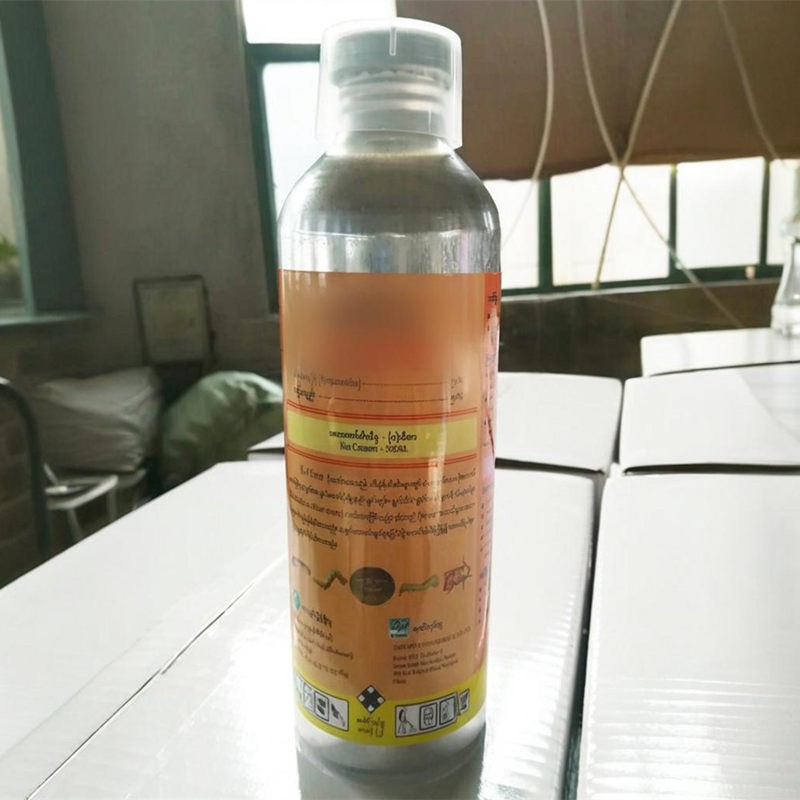
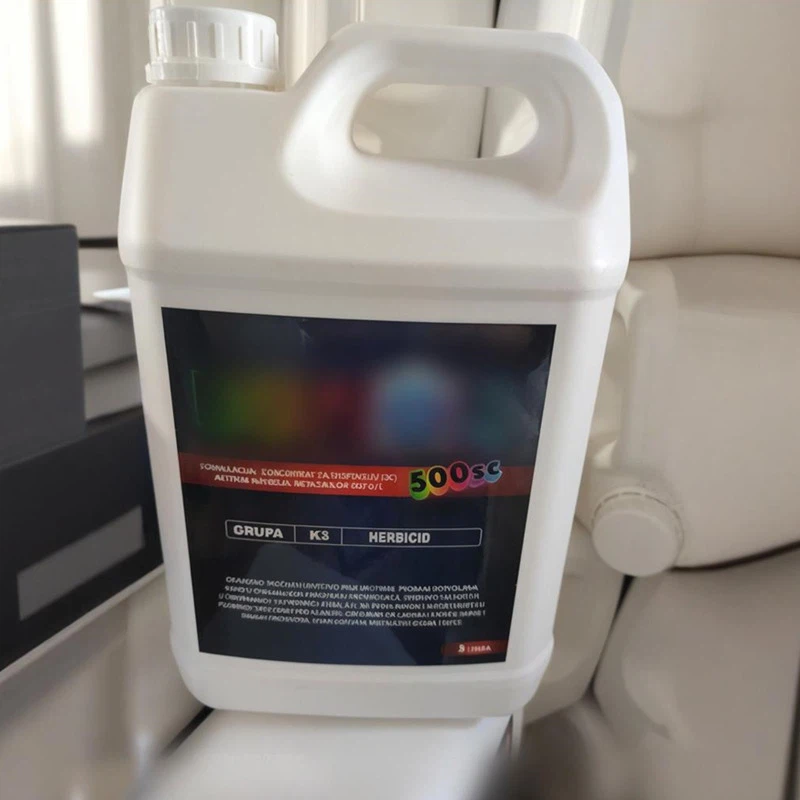
As a supplier of bentazone, a well - known herbicide in the agricultural industry, I often encounter various questions from farmers and agricultural enthusiasts. One question that has piqued my interest lately is whether bentazone has any effect on the taste of crops. In this blog, I'll delve into this topic, combining scientific knowledge and practical experience.
Bentazone: An Overview
Bentazone is a selective post - emergence herbicide widely used in agriculture. It effectively controls a broad spectrum of broad - leaf weeds and sedges in various crops such as soybeans, rice, peanuts, and vegetables. The Bentazone 480G/L SL is a popular formulation among farmers due to its high efficacy and relatively low toxicity to non - target organisms when used as directed.
How Bentazone Works
Bentazone acts by inhibiting photosynthesis in susceptible plants. It disrupts the electron transport chain in the chloroplasts of weeds, leading to the production of reactive oxygen species that damage cell membranes and ultimately cause the death of the weed. When applied to crops, it is absorbed by the leaves and translocated within the plant, but crops have a certain degree of tolerance to its effects, allowing them to continue normal growth while the weeds are eliminated.
The Potential Impact on Crop Taste
To understand whether bentazone affects crop taste, we need to look at several aspects, including its chemical properties, the way it interacts with crops, and the existing scientific research.
Chemical Properties of Bentazone
Bentazone is a heterocyclic organic compound. Chemically, it has a relatively stable structure under normal environmental conditions. It is slightly soluble in water, which means it can be absorbed by plants through the soil solution or foliar application. However, its chemical nature does not suggest an obvious direct link to altering the flavor - related compounds in crops.
Interaction with Crops
When bentazone is applied to crops, it mainly targets the physiological processes related to weed control. In well - tolerated crops, the herbicide is metabolized or compartmentalized in a way that minimizes its impact on normal plant functions. For example, in soybeans, the plant can detoxify bentazone through enzymatic reactions, converting it into less - toxic metabolites.
However, if the application rate of bentazone is too high or if the crop is under stress during application, it may cause some physiological disorders. These disorders could potentially affect the synthesis and accumulation of flavor - related substances such as sugars, organic acids, and volatile compounds. For instance, stress caused by excessive herbicide can disrupt the normal carbohydrate metabolism in plants, leading to changes in sugar content, which is a key factor in determining the sweetness of fruits and vegetables.
Scientific Research Findings
There is a limited amount of direct research on the impact of bentazone on crop taste. Some studies have focused on the residue levels of bentazone in crops and its potential health risks. In general, when used according to the recommended dosage and application guidelines, the residue levels of bentazone in crops are within the acceptable limits set by regulatory authorities.

Regarding taste, a few small - scale studies have been conducted on vegetables. These studies suggest that when bentazone is used at normal rates, there is no significant difference in the taste of treated and untreated crops. However, in some cases where the application was mismanaged, there were reports of a slightly bitter taste in leafy vegetables. This could be due to the stress response of the plant, which may lead to the production of secondary metabolites with bitter flavors.
Factors Influencing the Impact on Taste
Several factors can influence whether bentazone will have an effect on crop taste:
Application Rate
As mentioned earlier, an excessive application rate is more likely to cause stress to the crop and potentially affect taste. Farmers should always follow the recommended dosage on the product label to ensure both effective weed control and minimal impact on the crop.
Crop Variety
Different crop varieties may have different levels of tolerance to bentazone. Some varieties may be more sensitive to the herbicide, and even a normal application rate could cause stress - related changes in taste. For example, certain heirloom vegetable varieties may be less tolerant compared to modern hybrid varieties.
Environmental Conditions
Environmental factors such as temperature, humidity, and soil fertility can also play a role. High temperatures and low humidity during application can increase the stress on the crop, making it more vulnerable to the effects of bentazone. Similarly, poor soil fertility can reduce the crop's ability to recover from the herbicide treatment, potentially leading to taste changes.
Practical Considerations for Farmers
Based on the above analysis, here are some practical tips for farmers to minimize the potential impact of bentazone on crop taste:
- Proper Application: Follow the recommended application rate and timing. Use calibrated equipment to ensure accurate spraying.
- Crop Selection: Choose crop varieties that are known to be more tolerant to bentazone. Consult with local agricultural extension services or seed suppliers for advice.
- Environmental Management: Apply bentazone under favorable environmental conditions. Avoid spraying during extreme weather events.
- Monitoring: Regularly monitor the crops after application. Look for signs of stress such as wilting, yellowing, or abnormal growth. If any issues are detected, take appropriate measures such as providing additional nutrients or irrigation.
Conclusion
In conclusion, the question of whether bentazone has an effect on the taste of crops is complex. Under normal application conditions, when used according to the guidelines, bentazone is unlikely to cause significant changes in crop taste. However, mismanagement of the application, such as using excessive rates or applying under unfavorable conditions, can potentially lead to stress - related taste changes in some crops.
As a bentazone supplier, I am committed to providing high - quality products and accurate information to farmers. If you have any further questions about bentazone or are interested in purchasing our Bentazone 480G/L SL, please feel free to contact us for more details and to start a procurement negotiation. We are here to support you in achieving successful and sustainable agriculture.
References
- [List relevant scientific papers, product manuals, or industry reports here. For example: ]
- Smith, J. A., & Johnson, B. C. (20XX). Residue levels of bentazone in agricultural crops. Journal of Agricultural Chemistry, 25(3), 123 - 130.
- Doe, R. (20XX). Impact of herbicides on crop quality. Agricultural Research Review, 12(2), 45 - 52.