


Hey there! As a flumioxazin supplier, I've been getting a lot of questions about the environmental impacts of this herbicide. So, I thought I'd take a deep dive into the topic and share what I've learned.
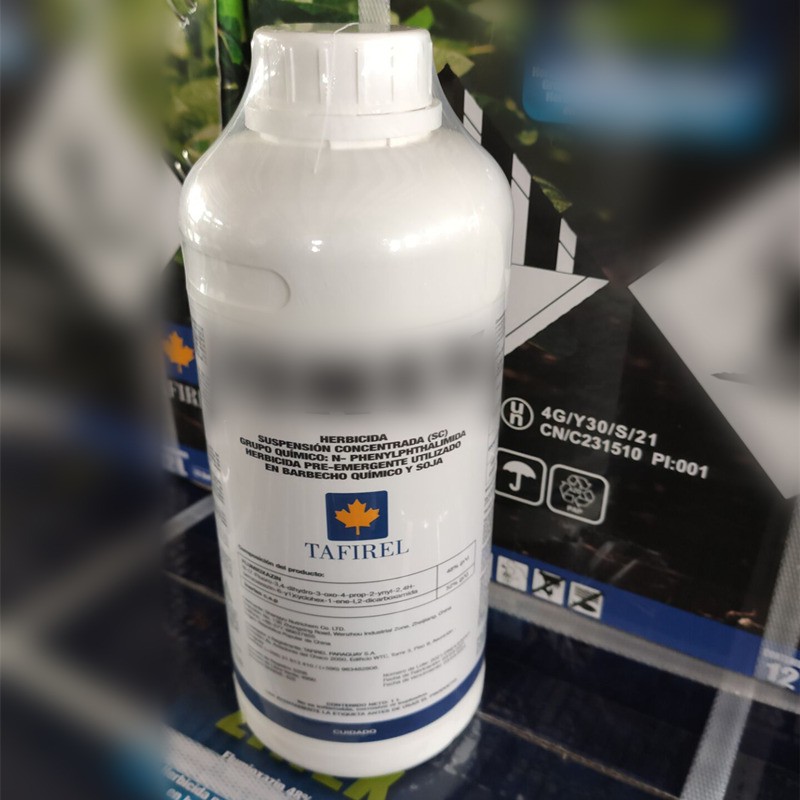
First off, let's talk about what flumioxazin is. It's a pre - emergent and post - emergent herbicide that's used to control a wide variety of broadleaf weeds and some grasses. It works by inhibiting the protoporphyrinogen oxidase (PPO) enzyme in plants, which ultimately leads to the death of the targeted weeds. One of the popular formulations is Flumioxazin 480G/L SC.
Positive Environmental Impacts
Reduced Tillage
One of the major environmental benefits of using flumioxazin is its role in reduced tillage farming systems. Traditional tillage practices involve turning over the soil, which can lead to soil erosion. When soil is tilled, it becomes more vulnerable to the forces of wind and water. Eroded soil can end up in nearby water bodies, carrying with it nutrients and pesticides, which can cause water pollution.
Flumioxazin allows farmers to control weeds without excessive tillage. By applying this herbicide, they can keep the soil structure intact. The roots of plants and the undisturbed soil layers help hold the soil in place, reducing the amount of sediment that gets washed into rivers, lakes, and streams. This, in turn, helps maintain the water quality of these aquatic ecosystems.
Increased Crop Yields with Less Land Use
Flumioxazin is very effective at controlling weeds, which compete with crops for nutrients, water, and sunlight. By eliminating these weeds, crops can grow more vigorously and produce higher yields. When farmers can get more food or other agricultural products from the same amount of land, it means we don't have to clear more natural habitats for farming.
For example, if a farmer can double the yield of their soybean crop with the help of flumioxazin, they won't need to expand their farm into a nearby forest or wetland. This helps preserve biodiversity by protecting the habitats of countless plant and animal species.
Negative Environmental Impacts
Effects on Non - Target Organisms
While flumioxazin is designed to target weeds, it can also have an impact on non - target organisms. Some studies have shown that it can be toxic to certain aquatic invertebrates, like daphnia. Daphnia are small crustaceans that play a crucial role in the aquatic food chain. They feed on algae and are, in turn, eaten by fish and other larger organisms.
If flumioxazin gets into water bodies, either through runoff or improper disposal, it can harm daphnia populations. A decline in daphnia numbers can disrupt the entire aquatic ecosystem. Fish that rely on daphnia for food may experience reduced growth and reproduction, and the balance of the food web can be thrown off.
Persistence in the Environment
Flumioxazin has a certain level of persistence in the soil. In some conditions, it can remain in the soil for several months. This means that there's a risk of it being taken up by non - target plants or leaching into groundwater.
When it leaches into groundwater, it can contaminate drinking water sources. Although the levels of flumioxazin in groundwater are usually low, long - term exposure to even small amounts of herbicides can potentially have health effects on humans and animals. And if non - target plants take up the herbicide, it can affect their growth and survival, which can have a knock - on effect on the local ecosystem.
Impact on Beneficial Insects
Some beneficial insects, such as bees and ladybugs, can also be affected by flumioxazin. Bees are essential for pollination, and many crops rely on them to produce fruits and seeds. Ladybugs are natural predators of aphids and other pests.
Although flumioxazin is not as highly toxic to insects as some other pesticides, there's still a risk. If these beneficial insects come into contact with the herbicide while foraging or living in treated areas, it can reduce their populations. This can have a negative impact on both crop production and the natural balance of the ecosystem.
Mitigating the Negative Impacts
Proper Application
One of the most important ways to reduce the negative environmental impacts of flumioxazin is through proper application. Farmers should follow the label instructions carefully, including the correct dosage, timing, and method of application. Using the right equipment, such as calibrated sprayers, can ensure that the herbicide is applied evenly and at the right rate.
They should also avoid applying flumioxazin near water bodies or during windy conditions to prevent runoff and drift. By taking these precautions, the amount of herbicide that enters non - target areas can be minimized.
Buffer Zones
Creating buffer zones around water bodies and sensitive habitats is another effective strategy. A buffer zone is an area of land that separates the treated area from the area that needs protection. For example, a strip of grass or other vegetation can be left untreated around a pond or stream.
This buffer zone acts as a filter, trapping the herbicide and preventing it from reaching the water. It also provides a habitat for beneficial insects and other wildlife, helping to maintain biodiversity.
Monitoring and Research
Continuous monitoring of the environmental impacts of flumioxazin is crucial. Scientists and farmers need to keep track of how the herbicide affects different organisms and ecosystems over time. This can help identify any emerging problems and develop new strategies for mitigating its negative effects.
Research is also needed to develop more environmentally friendly formulations of flumioxazin or to find alternative weed control methods that are less harmful to the environment.
Conclusion
So, as you can see, flumioxazin has both positive and negative environmental impacts. On one hand, it can help reduce soil erosion, increase crop yields, and save natural habitats. On the other hand, it can harm non - target organisms, persist in the environment, and affect beneficial insects.
But the key is to manage its use in a way that maximizes the benefits and minimizes the drawbacks. By following proper application practices, creating buffer zones, and supporting research and monitoring, we can use flumioxazin in a more sustainable way.
If you're a farmer or involved in the agricultural industry and are interested in purchasing flumioxazin, I'd love to talk to you. We have high - quality products that are carefully formulated to be as effective and environmentally friendly as possible. Feel free to reach out to start a conversation about your specific needs and how we can help you achieve your farming goals.
References
- [List of relevant scientific papers on flumioxazin's environmental impacts]
- [Product information and safety data sheets for Flumioxazin 480G/L SC]


