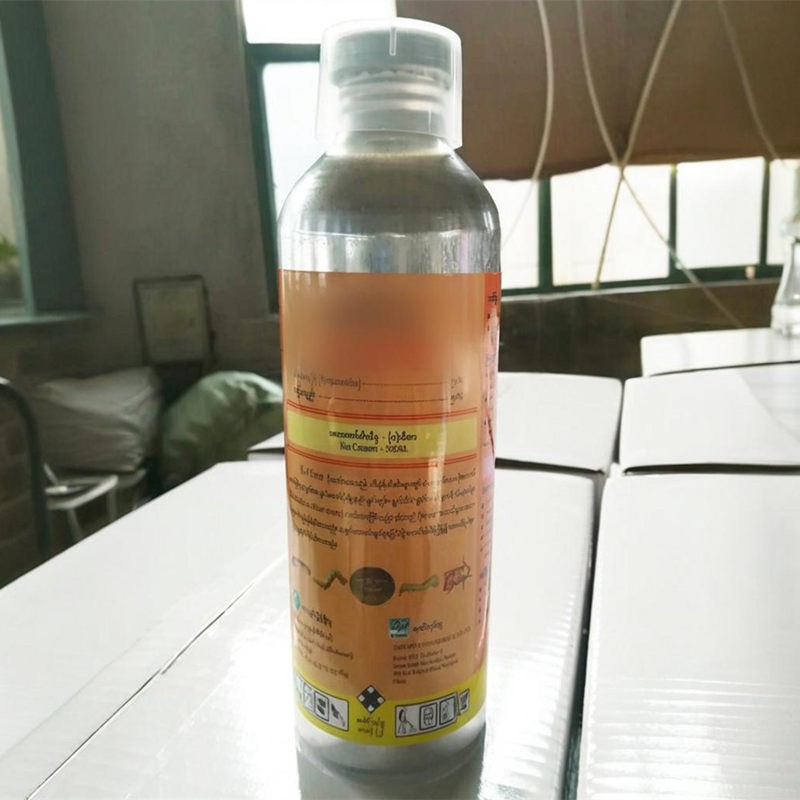
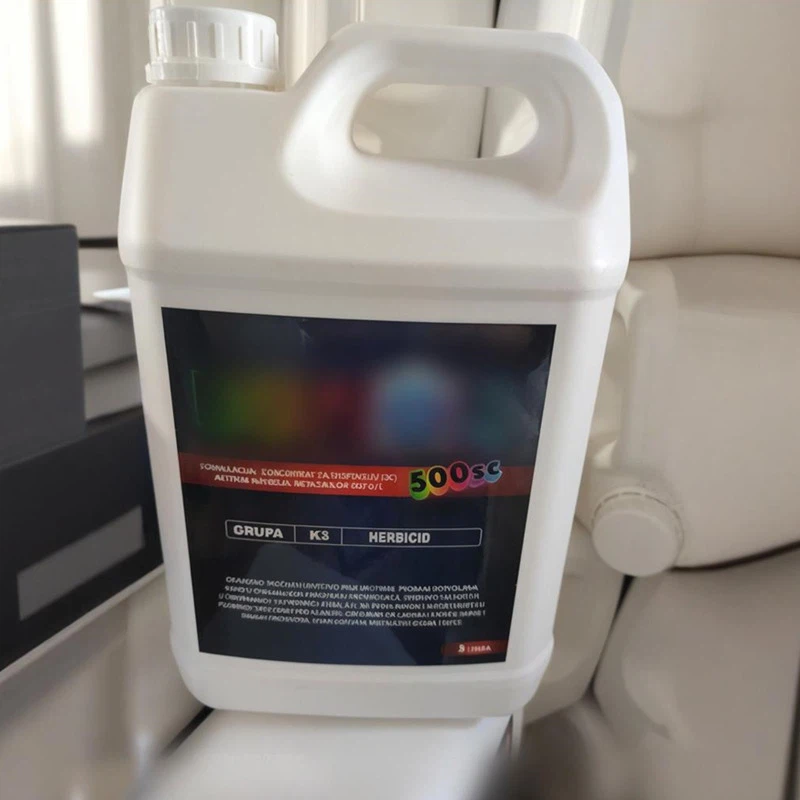
Clopyralid is a widely used herbicide known for its effectiveness in controlling broadleaf weeds in various agricultural and horticultural settings. As a supplier of Clopyralid 200G/L SL, I often encounter questions from customers regarding its environmental impact, particularly whether it leaches into groundwater. In this blog post, I will delve into the scientific aspects of this issue to provide a comprehensive understanding.
Understanding Clopyralid
Clopyralid belongs to the pyridine carboxylic acid family of herbicides. It works by mimicking the plant hormone auxin, which disrupts normal plant growth processes, ultimately leading to the death of susceptible weeds. Its selectivity allows it to target specific broadleaf weeds while leaving grasses relatively unharmed, making it a popular choice for pasture, cereal crops, and ornamental plantings.
Factors Affecting Herbicide Leaching
Before discussing whether clopyralid leaches into groundwater, it's important to understand the general factors that influence herbicide leaching. These factors include soil properties, climate, herbicide characteristics, and application practices.
Soil Properties
Soil texture, organic matter content, and cation exchange capacity (CEC) play crucial roles in herbicide retention and movement. Sandy soils with low organic matter and CEC have larger pore spaces, which allow water and dissolved herbicides to move more freely through the soil profile. In contrast, clay soils with high organic matter and CEC have smaller pore spaces and a greater ability to adsorb herbicides, reducing the likelihood of leaching.
Climate
Precipitation and irrigation are major drivers of herbicide leaching. Heavy rainfall or excessive irrigation can cause water to move rapidly through the soil, carrying herbicides with it. In regions with high annual precipitation or frequent irrigation, the risk of herbicide leaching is generally higher.
Herbicide Characteristics
The chemical properties of a herbicide, such as its solubility, volatility, and sorption coefficient, determine its behavior in the soil. Herbicides with high solubility in water are more likely to be leached, as they can easily dissolve in soil water and move with it. Additionally, herbicides with low sorption coefficients have a weaker affinity for soil particles and are more prone to leaching.
Application Practices
The rate, timing, and method of herbicide application can also affect leaching potential. Over-application of herbicides increases the amount of chemical available for leaching, while improper timing of application can coincide with periods of high rainfall or irrigation, increasing the risk of leaching.
Scientific Studies on Clopyralid Leaching
Numerous scientific studies have been conducted to assess the leaching potential of clopyralid. These studies have consistently shown that under normal use conditions, the risk of clopyralid leaching into groundwater is relatively low.
One study conducted by researchers at the University of California found that clopyralid had a low mobility in soil, with the majority of the herbicide remaining in the top 10 centimeters of the soil profile. The study also found that the leaching of clopyralid was significantly influenced by soil texture, with less leaching occurring in clay soils compared to sandy soils.
Another study published in the Journal of Environmental Quality examined the fate of clopyralid in a field setting. The researchers found that only a small fraction of the applied clopyralid was detected in groundwater samples, and the concentrations were well below the regulatory limits for drinking water.

These studies suggest that when clopyralid is applied according to label instructions and best management practices, the risk of leaching into groundwater is minimal. However, it's important to note that the leaching potential can vary depending on site-specific conditions, such as soil type, climate, and application practices.
Mitigating the Risk of Clopyralid Leaching
To further reduce the risk of clopyralid leaching, it's important to follow best management practices when applying the herbicide. These practices include:
- Proper application rate: Apply clopyralid at the recommended rate specified on the product label. Over-application can increase the amount of herbicide available for leaching.
- Timing of application: Avoid applying clopyralid before heavy rainfall or irrigation. Instead, apply the herbicide when the soil is dry and there is no immediate threat of significant precipitation.
- Soil management: Maintain good soil health by adding organic matter to the soil. Organic matter can increase the soil's ability to adsorb herbicides, reducing the risk of leaching.
- Buffer zones: Establish buffer zones around water bodies, such as streams, rivers, and lakes, to prevent herbicide runoff and leaching into these areas.
Conclusion
In conclusion, based on scientific studies and our understanding of herbicide leaching processes, the risk of clopyralid leaching into groundwater is relatively low when the herbicide is applied according to label instructions and best management practices. However, it's important to be aware of the potential factors that can increase the leaching risk and take appropriate measures to mitigate them.
As a supplier of Clopyralid 200G/L SL, I am committed to providing high-quality products and ensuring that our customers have the information they need to use our products safely and responsibly. If you have any further questions about clopyralid or its environmental impact, please do not hesitate to contact us. We are here to assist you with your herbicide needs and to help you make informed decisions.
If you are interested in purchasing clopyralid for your agricultural or horticultural operations, we invite you to reach out to us for a detailed discussion. Our team of experts can provide you with personalized advice and support to ensure that you get the most out of our products.
References
- University of California study on clopyralid mobility in soil.
- Journal of Environmental Quality study on the fate of clopyralid in a field setting.