Hey there! As a carboxin supplier, I often get asked about the solubility of carboxin in different solvents. It's a pretty important topic, especially for those in the agricultural and chemical industries. So, let's dive right in and explore this together.
First off, what is carboxin? Carboxin is a widely - used fungicide. It's known for its effectiveness in controlling various fungal diseases in crops. But to use it properly, understanding its solubility in different solvents is crucial.
Solubility in Water
Let's start with water. Carboxin has a relatively low solubility in water. At room temperature (around 20 - 25°C), the solubility of carboxin in water is approximately 0.19 g/L. This low solubility in water means that it doesn't readily dissolve in water on its own. But in some agricultural applications, we often need to make aqueous solutions. To overcome this low solubility, we might use surfactants or other additives. These additives can help disperse carboxin in water, creating a more stable suspension. This is really important for spray applications in the field, where we want an even distribution of the fungicide on the crops.

Solubility in Organic Solvents
Now, let's talk about organic solvents. Carboxin shows much better solubility in many organic solvents compared to water.
Acetone
Acetone is a common organic solvent, and carboxin is quite soluble in it. At room temperature, carboxin can dissolve up to about 200 g/L in acetone. This high solubility makes acetone a great choice when we need to prepare concentrated carboxin solutions for laboratory tests or certain industrial processes. For example, in the synthesis of some carboxin - based formulations, acetone can be used as a solvent to dissolve carboxin and other components, allowing for a homogeneous mixture.
Ethanol
Ethanol is another widely - used organic solvent. The solubility of carboxin in ethanol is also relatively high. At around 20°C, carboxin can dissolve at a rate of approximately 40 g/L in ethanol. Ethanol is a more environmentally - friendly option compared to some other organic solvents, and it's often used in the formulation of carboxin - containing products for agricultural use. Since it's less toxic than some other solvents, it's a safer choice for workers handling the products.
Toluene
Toluene is an aromatic hydrocarbon solvent. Carboxin has good solubility in toluene, with a solubility of around 100 g/L at room temperature. Toluene is often used in industrial settings where we need to dissolve carboxin for large - scale production of fungicide formulations. However, it's important to note that toluene has some health and environmental concerns, so proper safety measures need to be taken when using it.
Importance of Solubility in Different Solvents
Understanding the solubility of carboxin in different solvents is not just an academic exercise. It has real - world implications for its use.
In the agricultural industry, the choice of solvent can affect the efficacy of the fungicide. For example, when preparing a spray solution, the solubility of carboxin in the solvent determines how well it can be dispersed and applied to the crops. If the solubility is too low, the carboxin may precipitate out of the solution, leading to uneven distribution on the plants and reduced effectiveness in controlling fungal diseases.
In the manufacturing process, the solubility of carboxin in solvents affects the ease of formulation. Solvents with high solubility allow for the production of more concentrated and stable formulations. This can reduce production costs and improve the quality of the final product.
Our Carboxin Products
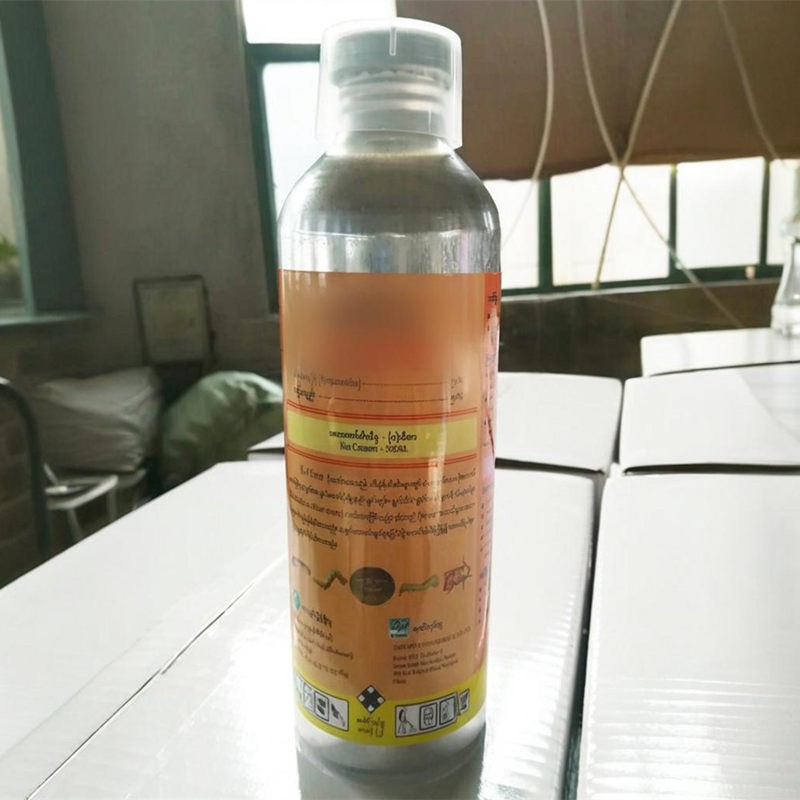
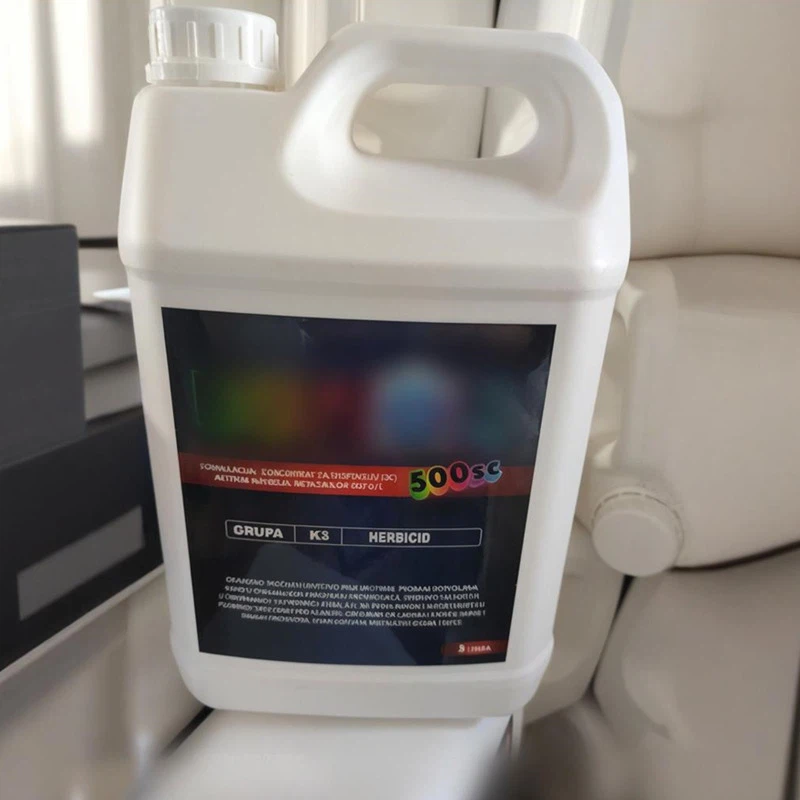
As a carboxin supplier, we offer high - quality carboxin products. One of our popular products is Carboxin 100G/L + Thiram 100G/L SC. This product combines carboxin with thiram, another effective fungicide. The formulation is carefully designed to ensure good solubility and stability in the recommended solvents, making it easy to use in agricultural applications.
Whether you're a farmer looking for an effective fungicide to protect your crops or a chemical manufacturer in need of high - quality carboxin for your formulations, we've got you covered. Our team of experts can provide you with detailed information about the solubility of our carboxin products in different solvents and help you choose the right product for your specific needs.
Conclusion
In conclusion, the solubility of carboxin varies greatly depending on the solvent. It has low solubility in water but much better solubility in many organic solvents like acetone, ethanol, and toluene. This knowledge is essential for both the agricultural and chemical industries.
If you're interested in learning more about our carboxin products or have any questions about carboxin solubility, don't hesitate to reach out. We're here to help you make the best choices for your business. Whether you need a small quantity for a research project or a large - scale supply for commercial use, we're ready to assist you. Contact us today to start a discussion about your carboxin procurement needs.
References
- "The Pesticide Manual", 17th Edition.
- Journal of Agricultural and Food Chemistry, various issues related to fungicide solubility studies.