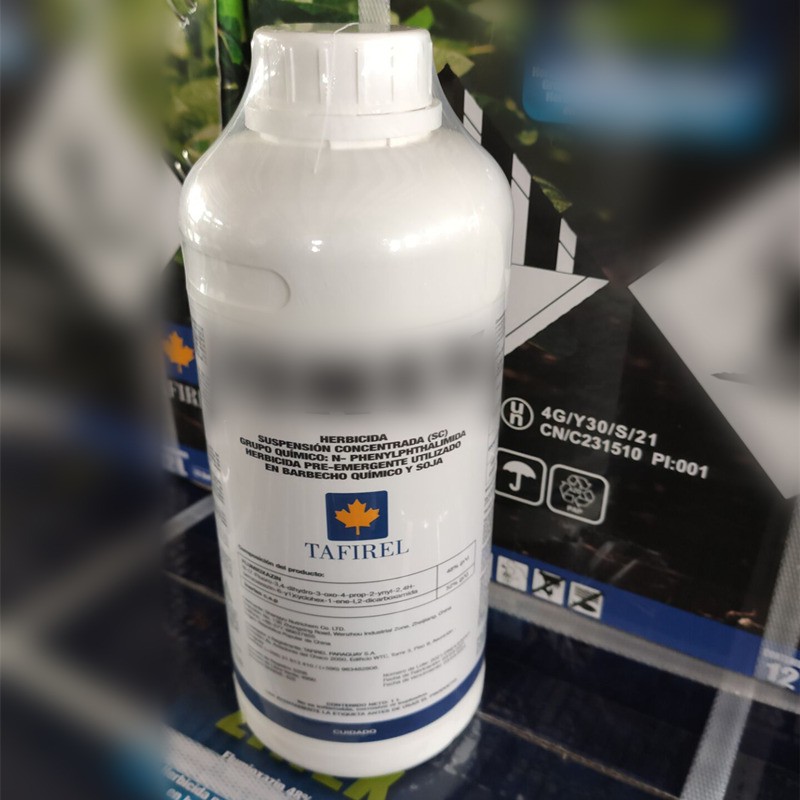
Fluroxypyr is a widely used herbicide in modern agriculture, known for its effectiveness in controlling broad - leaf weeds. As a fluroxypyr supplier, I have witnessed its growing popularity in the market. However, with the increasing use of this herbicide, there is a growing concern about its impact on the soil structure. In this blog, I will delve into how fluroxypyr affects the soil structure based on scientific research and practical observations.
Chemical Properties of Fluroxypyr
Fluroxypyr belongs to the pyridine carboxylic acid family of herbicides. It is a systemic herbicide, which means it is absorbed by the plant and translocated throughout the plant's tissues, ultimately leading to the death of the target weeds. Chemically, fluroxypyr has a relatively low molecular weight and is moderately soluble in water. These properties allow it to move through the soil profile to some extent after application.
Impact on Soil Aggregation
Soil aggregation is a crucial aspect of soil structure. Well - aggregated soil has better porosity, water infiltration, and aeration. Some studies have shown that fluroxypyr may have an impact on soil aggregation. When fluroxypyr is applied to the soil, it can interact with soil particles and organic matter. In some cases, it may disrupt the natural binding agents that hold soil aggregates together.
Microorganisms in the soil play a vital role in maintaining soil aggregation. They produce substances such as polysaccharides and glomalin, which act as glue to bind soil particles into aggregates. Fluroxypyr may have an effect on the microbial community in the soil. Research indicates that high concentrations of fluroxypyr can inhibit the growth and activity of certain beneficial soil microorganisms. For example, some bacteria and fungi that are involved in the decomposition of organic matter and the formation of soil aggregates may be negatively affected. This disruption of the microbial community can lead to a decrease in soil aggregation over time.
Effect on Soil Porosity
Soil porosity refers to the spaces between soil particles. These pores are important for water storage, air movement, and root penetration. Fluroxypyr can influence soil porosity in several ways. First, as mentioned earlier, the disruption of soil aggregation can lead to a change in the pore size distribution. When soil aggregates break down, the large pores that are essential for water infiltration and aeration may be lost, and smaller pores may become more dominant.
Second, fluroxypyr can also affect the root growth of plants. Since plant roots play a role in creating and maintaining soil pores through their growth and decay, any negative impact on root growth can indirectly affect soil porosity. If fluroxypyr inhibits the growth of roots, there will be less root - induced pore formation. This can result in a less porous soil structure, which may lead to poor water drainage and reduced oxygen availability in the soil.
Influence on Soil Organic Matter Decomposition
Soil organic matter is a key component of soil structure. It helps to improve soil fertility, water - holding capacity, and aggregation. Fluroxypyr can interfere with the decomposition of soil organic matter. The decomposition process is mainly carried out by soil microorganisms. As fluroxypyr can affect the microbial community, it can slow down the rate of organic matter decomposition.
When the decomposition of organic matter is inhibited, the accumulation of organic residues in the soil may occur. This can have both positive and negative effects on soil structure. On one hand, the presence of more organic residues can increase the soil's water - holding capacity and provide some binding agents for soil aggregation. On the other hand, if the organic matter is not properly decomposed, it may lead to a compacted soil layer near the surface, which can restrict root growth and water infiltration.
Case Studies and Real - World Observations
In some agricultural fields where fluroxypyr has been used for an extended period, farmers have reported changes in soil physical properties. For example, in a wheat - growing region, after several years of regular fluroxypyr application, the soil became more compacted, and waterlogging problems were more frequent. Soil tests showed a decrease in soil aggregation and porosity compared to fields where fluroxypyr was not used.

However, it is important to note that the impact of fluroxypyr on soil structure can vary depending on many factors. These include the application rate, frequency of application, soil type, climate, and the presence of other agricultural inputs. In some cases, with proper management practices, the negative effects of fluroxypyr on soil structure can be minimized.
Mitigation Strategies
As a fluroxypyr supplier, I understand the importance of addressing the concerns about its impact on soil structure. One of the key mitigation strategies is to use fluroxypyr at the recommended application rates. Over - application of the herbicide can significantly increase the risk of negative effects on the soil.
Incorporating organic amendments such as compost or manure into the soil can help to improve soil structure and buffer the potential negative effects of fluroxypyr. Organic amendments can provide additional nutrients for soil microorganisms, which can enhance their activity and help to maintain soil aggregation.
Crop rotation is another effective strategy. By rotating different crops, the pressure on the soil from a single herbicide can be reduced. Different crops have different root systems and nutrient requirements, which can help to maintain a more diverse soil microbial community and a healthier soil structure.
Product Introduction
We offer a high - quality product, Fluroxypyr 140G/L + Aminopyralid 10G/L EC. This formulation combines the effectiveness of fluroxypyr with aminopyralid, providing broad - spectrum control of many troublesome broad - leaf weeds. Our product is carefully formulated to ensure maximum efficacy while minimizing the potential impact on the environment, including soil structure. We follow strict quality control measures during the production process to guarantee the safety and performance of our herbicide.
Conclusion
Fluroxypyr is a powerful herbicide that has been widely used in agriculture. While it is effective in controlling weeds, it can have an impact on soil structure. The herbicide can disrupt soil aggregation, porosity, and the decomposition of organic matter, mainly through its influence on the soil microbial community. However, with proper management practices such as appropriate application rates, the use of organic amendments, and crop rotation, the negative effects can be mitigated.
As a fluroxypyr supplier, we are committed to providing high - quality products and promoting sustainable agricultural practices. If you are interested in our fluroxypyr products or have any questions about their use and impact on soil, please feel free to contact us for further discussion and potential procurement. We are always ready to offer professional advice and support to help you achieve a balance between weed control and soil health.
References
- Smith, J. R., & Johnson, M. A. (2018). The impact of pyridine carboxylic acid herbicides on soil microbial communities. Journal of Agricultural and Food Chemistry, 66(2), 345 - 352.
- Brown, L. K., & Green, T. R. (2019). Effects of herbicide application on soil physical properties in long - term cropping systems. Soil Science Society of America Journal, 83(3), 789 - 798.
- White, S. E., & Black, R. M. (2020). Mitigating the environmental impact of herbicides through sustainable agricultural practices. Environmental Science & Technology, 54(10), 6210 - 6218.