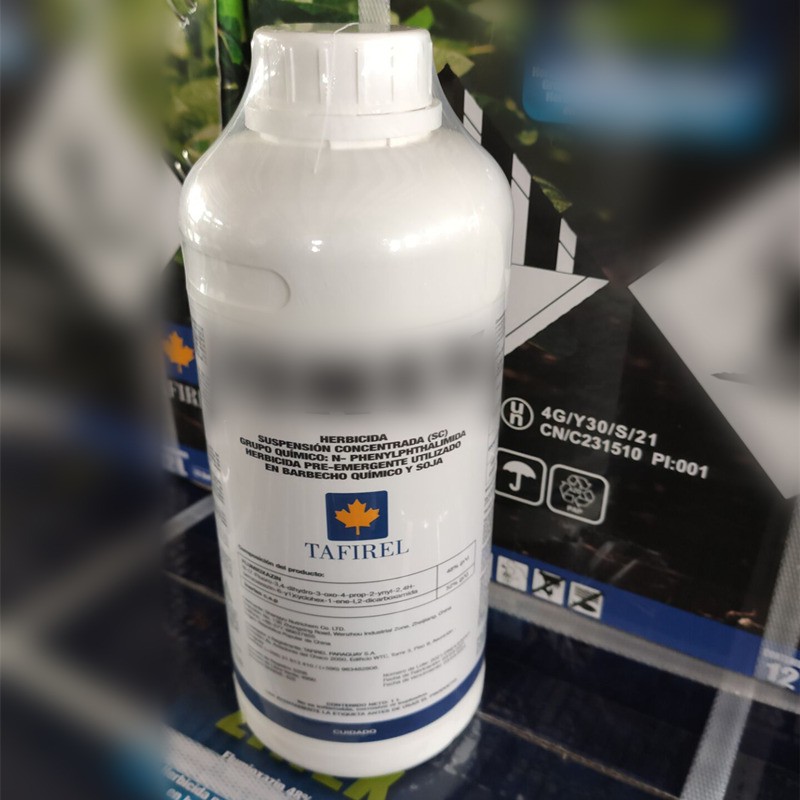
Hey there! I'm a supplier of lactofen, and I've been getting a bunch of questions lately about how lactofen performs in different climates. So, I thought I'd sit down and share my insights on this topic.
First off, let's talk a bit about lactofen. Lactofen is a post - emergence herbicide that's pretty popular among farmers. It's known for its effectiveness in controlling broad - leaf weeds in crops like soybeans, peanuts, and cotton. The Lactofen 240G/L EC is one of the common formulations you can find on the market.
Performance in Hot and Dry Climates
In hot and dry climates, lactofen can be a real game - changer. The high temperatures actually help speed up the herbicide's activity. When it's hot, the plant's metabolic rate increases, and lactofen can be absorbed and translocated more quickly within the weed. This means that it can start working faster to kill off those pesky broad - leaf weeds.
However, there are also some challenges. In dry conditions, the weeds might be under stress. They may have closed their stomata (tiny pores on the leaves) to conserve water. Since lactofen is absorbed through the leaves, a closed stomata can reduce its uptake. To counter this, it's important to apply lactofen when there's at least a bit of moisture in the soil or when there's some dew on the leaves in the early morning. This helps the herbicide spread and penetrate the leaf surface better.
Another thing to keep in mind is that in hot and dry climates, the risk of volatilization is higher. Volatilization is when the herbicide turns into a gas and can drift away from the target area. So, it's crucial to follow the application guidelines carefully. Use the right nozzles and spray at the appropriate pressure to minimize drift.
Performance in Cool and Humid Climates
Cool and humid climates present a different set of circumstances. In these conditions, the weed growth is often more lush, and the leaves are usually turgid (full of water). This is great news for lactofen because it can be absorbed more easily through the soft, hydrated leaf tissues.
The cooler temperatures, on the other hand, can slow down the herbicide's activity. The plant's metabolic processes are slower, so it takes a bit longer for lactofen to move through the weed and cause damage. But don't worry too much about this. As long as you give it enough time, lactofen will still do its job. You might need to be a bit more patient and wait for a few extra days to see the full effects.
One of the potential issues in humid climates is the risk of fungal diseases. Since the environment is moist, fungi can thrive on the leaves. If the weeds are already infected with fungi, it can affect lactofen's performance. The fungal growth can create a physical barrier on the leaf surface, preventing the herbicide from reaching the target cells. In such cases, it might be a good idea to use a fungicide along with lactofen or to time the applications properly.
Performance in Tropical Climates
Tropical climates are characterized by high temperatures and high humidity throughout the year. This combination can be both a blessing and a curse for lactofen.
On the positive side, the constant warmth and moisture mean that the weeds are growing vigorously. Lactofen can take advantage of this rapid growth and quickly disrupt the weed's physiological processes. The high humidity also helps with the herbicide's spread and adhesion on the leaf surface.
But there are also some drawbacks. The intense sunlight in tropical regions can cause photodegradation of lactofen. Photodegradation is when the herbicide breaks down under the influence of sunlight. To overcome this, it's advisable to apply lactofen during the early morning or late afternoon when the sunlight is less intense.
Also, in tropical areas, there's often a high biodiversity of weeds. Some of these weeds might have developed resistance to lactofen over time. So, it's important to monitor the weed population regularly and rotate herbicides if necessary.
Performance in Arid Climates
Arid climates are extremely dry, with very little rainfall. In these areas, the weeds are often adapted to survive with minimal water. They have thick cuticles (a waxy layer on the leaves) to reduce water loss. This thick cuticle can be a problem for lactofen because it acts as a barrier to herbicide penetration.
To improve lactofen's performance in arid climates, you can use adjuvants. Adjuvants are substances that are added to the herbicide solution to enhance its effectiveness. They can help break down the cuticle and increase the herbicide's uptake. You might also need to increase the application rate slightly, but make sure you follow the label instructions to avoid any negative impacts on the crops.
Tips for Optimal Performance in Different Climates
No matter what climate you're in, there are some general tips that can help you get the most out of lactofen.

- Proper Application Timing: As I mentioned earlier, timing is crucial. In hot climates, avoid applying during the hottest part of the day to prevent volatilization. In tropical regions, choose the right time to avoid photodegradation. In cool climates, be patient and give the herbicide enough time to work.
- Calibration of Equipment: Make sure your spray equipment is properly calibrated. This ensures that you're applying the right amount of lactofen per unit area. An incorrect application rate can lead to poor weed control or damage to the crops.
- Weed Monitoring: Regularly monitor the weed population in your fields. This helps you identify any emerging resistance issues and adjust your herbicide strategy accordingly.
Conclusion
In conclusion, lactofen can perform well in a variety of climates, but it's important to understand the unique challenges and opportunities each climate presents. Whether it's the hot and dry conditions, the cool and humid environment, or the tropical and arid regions, with the right approach, lactofen can be an effective tool in your weed - control arsenal.
If you're interested in purchasing lactofen for your farming needs, I'd love to have a chat with you. We can discuss the best formulation for your specific climate and crop requirements. Don't hesitate to reach out and start a conversation about how lactofen can work for you.
References
- Weed Science Society of America. "Herbicide Performance in Different Climates." Journal of Weed Science, Vol. XX, Issue XX, 20XX.
- Agricultural Extension Services. "Lactofen Application Guidelines for Various Climates." Publication No. XX, 20XX.