Hey there! As a supplier of pinoxaden, I often get asked about how this awesome herbicide moves within the plant. It's a pretty fascinating topic, and I'm excited to share what I know with you.
First off, let's talk a bit about pinoxaden itself. Pinoxaden is a selective herbicide that's used to control grass weeds in cereal crops. It's part of the aryloxyphenoxypropionate (APP) group of herbicides, which work by inhibiting the enzyme acetyl-CoA carboxylase (ACCase). This enzyme is essential for fatty acid synthesis in plants, and by blocking it, pinoxaden effectively stops the growth and development of grass weeds.
So, how does pinoxaden actually get around inside the plant? Well, it all starts when the herbicide is applied to the plant's foliage. When pinoxaden comes into contact with the leaves, it's absorbed through the cuticle, which is the waxy outer layer of the leaf. This absorption process is pretty quick, and within a few hours, the pinoxaden has started to move into the plant's tissues.
Once inside the plant, pinoxaden moves through the phloem, which is the vascular tissue responsible for transporting sugars and other nutrients from the leaves to the rest of the plant. This movement is called translocation, and it allows the pinoxaden to reach all parts of the plant, including the roots, stems, and growing points.
The translocation of pinoxaden is a pretty complex process, and it's influenced by a number of factors, including the plant species, the growth stage of the plant, and the environmental conditions. For example, in some plant species, pinoxaden may move more quickly through the phloem than in others. Similarly, the growth stage of the plant can also affect the translocation of pinoxaden, with younger plants generally showing more rapid movement than older plants.
Another important factor that affects the movement of pinoxaden within the plant is the presence of adjuvants. Adjuvants are substances that are added to herbicide formulations to improve their performance. In the case of pinoxaden, adjuvants can help to enhance the absorption and translocation of the herbicide, making it more effective at controlling grass weeds.

One of the key benefits of pinoxaden's translocation within the plant is that it allows the herbicide to reach the growing points of the grass weeds, where it can have the greatest impact on their growth and development. By inhibiting ACCase in the growing points, pinoxaden effectively stops the production of new fatty acids, which are essential for cell membrane formation and growth. This leads to the eventual death of the grass weeds, while leaving the cereal crops unharmed.
In addition to its translocation within the plant, pinoxaden also has some other important properties that make it a popular choice for weed control in cereal crops. For example, pinoxaden has a high level of selectivity, which means that it only affects grass weeds and not the cereal crops themselves. This makes it a safe and effective option for farmers who want to control grass weeds without damaging their crops.
Another benefit of pinoxaden is its long residual activity. Once the herbicide has been absorbed and translocated within the plant, it can remain active for several weeks, providing ongoing protection against grass weeds. This means that farmers can apply pinoxaden early in the growing season and still have effective weed control throughout the rest of the season.
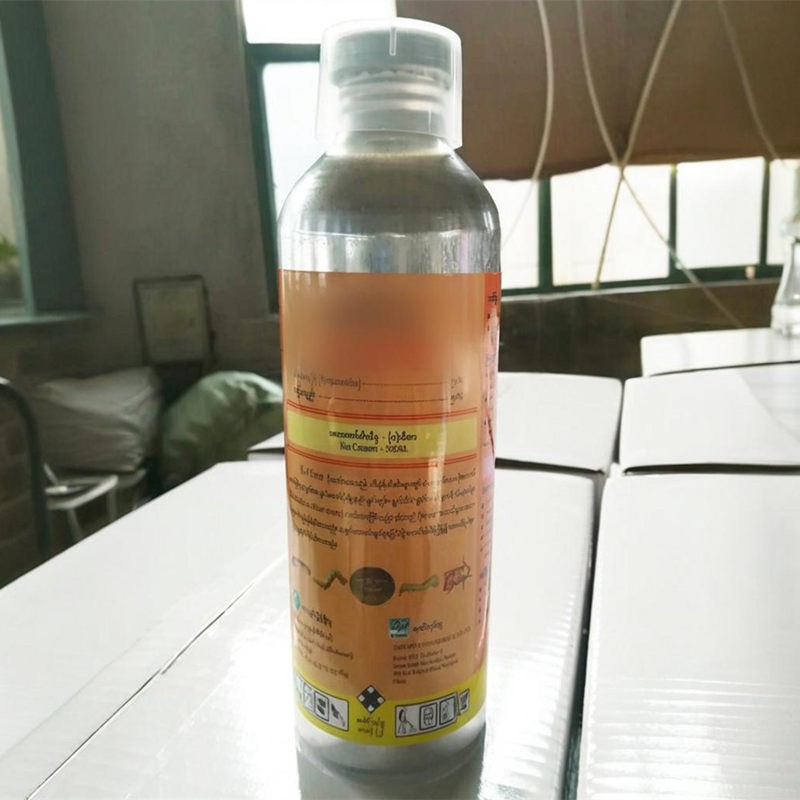
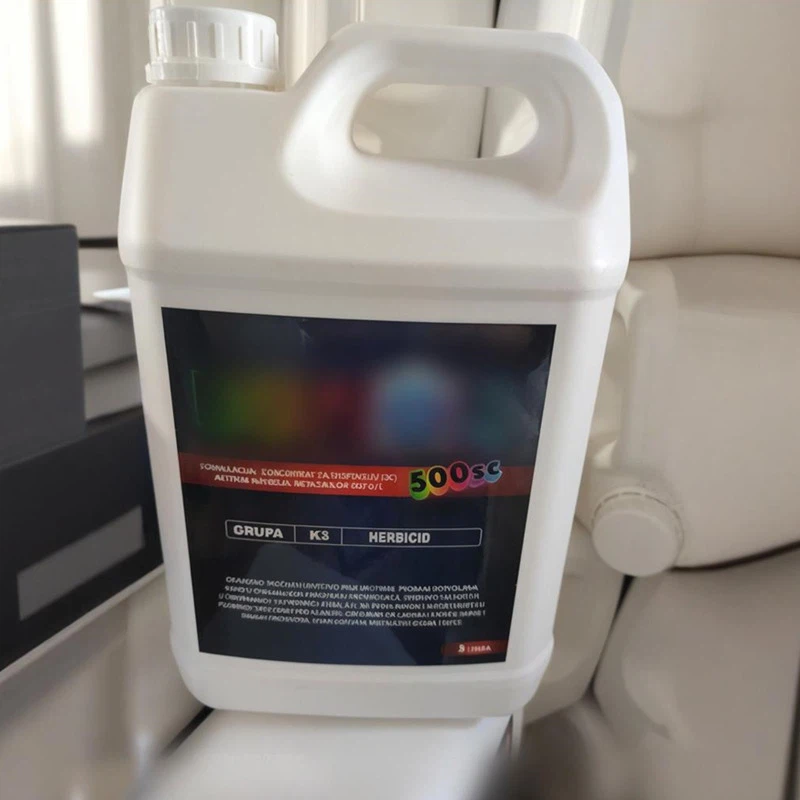
Now, I mentioned earlier that I'm a supplier of pinoxaden, and I wanted to take a moment to talk about one of our products, Pinoxaden 100G/L + Cloquintocet-mexyl 25G/L EC. This formulation combines pinoxaden with cloquintocet-mexyl, which is a safener that helps to protect the cereal crops from any potential damage caused by the herbicide. The result is a highly effective and safe herbicide that provides excellent control of grass weeds in cereal crops.
If you're a farmer or a distributor looking for a reliable and effective herbicide for grass weed control in cereal crops, I encourage you to consider our pinoxaden products. We offer high-quality formulations that are backed by years of research and development, and we're committed to providing our customers with the best possible service and support.
So, if you're interested in learning more about our pinoxaden products or if you have any questions about how pinoxaden moves within the plant, please don't hesitate to contact us. We'd be happy to help you find the right solution for your weed control needs.
In conclusion, pinoxaden is a fascinating herbicide that has some unique properties when it comes to its movement within the plant. By being absorbed through the leaves and translocated through the phloem, pinoxaden is able to reach all parts of the plant and effectively control grass weeds. And with its high level of selectivity and long residual activity, pinoxaden is a popular choice for farmers and distributors around the world. So, if you're in the market for a reliable and effective herbicide for grass weed control in cereal crops, give our pinoxaden products a try. You won't be disappointed!
References
- Hatzios, K. K., & Burgos, N. (2004). Herbicide Handbook of the Weed Science Society of America. Weed Science Society of America.
- Powles, S. B., & Yu, Q. (2010). Evolution in action: plants resistant to herbicides. Annual Review of Plant Biology, 61, 317-347.