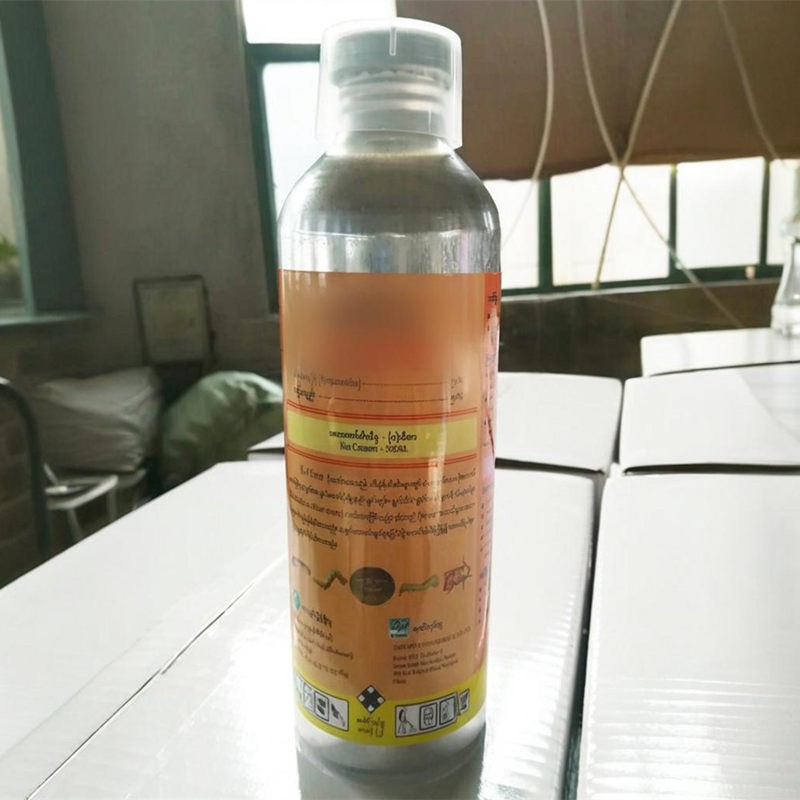
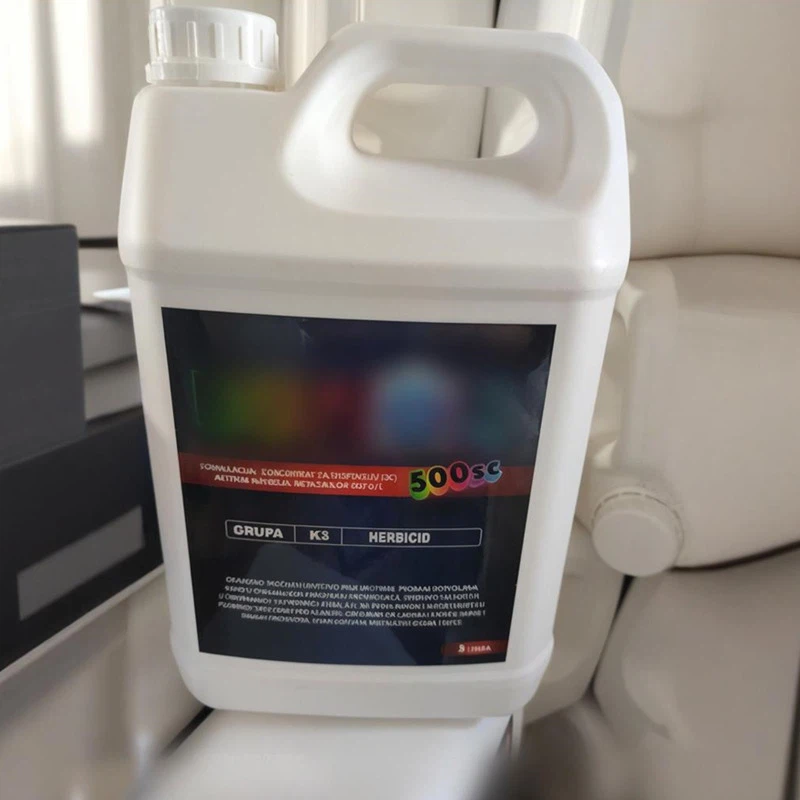
Thiacloprid is a widely used neonicotinoid insecticide known for its effectiveness in controlling a variety of pests. As a thiacloprid supplier, I understand the importance of ensuring that our customers use this product safely and responsibly. In this blog post, I will discuss the safety precautions that should be taken when using thiacloprid to protect both human health and the environment.
Personal Protective Equipment (PPE)
One of the most important safety measures when using thiacloprid is to wear appropriate personal protective equipment (PPE). This includes gloves, goggles, a long-sleeved shirt, long pants, and a respirator. Gloves should be made of a chemical-resistant material such as nitrile or neoprene to prevent skin contact with the insecticide. Goggles will protect your eyes from splashes and aerosols, while a long-sleeved shirt and long pants will minimize skin exposure. A respirator is essential when handling thiacloprid in powder or granular form to prevent inhalation of the product.
Handling and Mixing
When handling thiacloprid, it is crucial to follow the manufacturer's instructions carefully. Always read the product label before use to understand the proper handling procedures, mixing ratios, and application rates. Use only clean, dedicated equipment for handling and mixing thiacloprid to avoid cross-contamination. When mixing thiacloprid with water or other chemicals, do so in a well-ventilated area to prevent inhalation of fumes. Avoid splashing or spilling the product, and clean up any spills immediately using appropriate absorbent materials.
Application
During the application of thiacloprid, it is important to take precautions to prevent drift and ensure that the product is applied only to the target area. Use appropriate application equipment such as sprayers or dusters, and calibrate them regularly to ensure accurate application rates. When spraying thiacloprid, avoid windy conditions to prevent the product from drifting onto non-target areas such as water bodies, residential areas, or sensitive crops. Keep a safe distance from people, animals, and food crops during application, and follow any buffer zone requirements specified on the product label.
Storage and Disposal
Proper storage and disposal of thiacloprid are essential to prevent environmental contamination and ensure the safety of people and animals. Store thiacloprid in a cool, dry, and well-ventilated area away from heat, flames, and direct sunlight. Keep the product in its original container with the label intact, and do not transfer it to other containers unless specifically instructed to do so. Do not store thiacloprid near food, feed, or water supplies.
When disposing of thiacloprid, follow all local, state, and federal regulations. Do not pour the product down the drain or into water bodies. Instead, dispose of it at a licensed hazardous waste disposal facility. Empty containers should be triple-rinsed with water and then disposed of properly. Do not reuse empty containers for any other purpose.
Environmental Precautions
Thiacloprid can have negative impacts on the environment, particularly on beneficial insects such as bees and other pollinators. To minimize these impacts, it is important to use thiacloprid only when necessary and to follow all environmental precautions specified on the product label. Avoid applying thiacloprid during the flowering period of crops to reduce the risk of exposure to bees. If possible, use alternative pest control methods that are less harmful to the environment.

First Aid
In case of accidental exposure to thiacloprid, it is important to know the appropriate first aid measures. If thiacloprid comes into contact with the skin, immediately remove contaminated clothing and wash the affected area with plenty of soap and water for at least 15 minutes. If thiacloprid gets into the eyes, flush them with water for at least 15 minutes and seek medical attention immediately. If thiacloprid is inhaled, move the person to fresh air and seek medical attention if breathing difficulties occur. If thiacloprid is swallowed, do not induce vomiting unless instructed to do so by a medical professional. Call a poison control center or seek medical attention immediately.
Conclusion
As a thiacloprid supplier, I am committed to providing our customers with high-quality products and ensuring their safe and responsible use. By following the safety precautions outlined in this blog post, you can minimize the risks associated with thiacloprid and protect both human health and the environment. If you have any questions or need further information about the safety of thiacloprid, please do not hesitate to contact us. We are here to help you make informed decisions about pest control and ensure the success of your agricultural operations.
If you are interested in purchasing thiacloprid, we offer Thiacloprid 240G/L OD, a high-quality formulation that provides effective pest control. Our team of experts can provide you with detailed information about the product and assist you in determining the best application method for your specific needs. We encourage you to contact us to discuss your requirements and start a procurement negotiation. We look forward to working with you to meet your pest control needs.
References
- [Insert relevant scientific papers, product labels, or other reliable sources here]