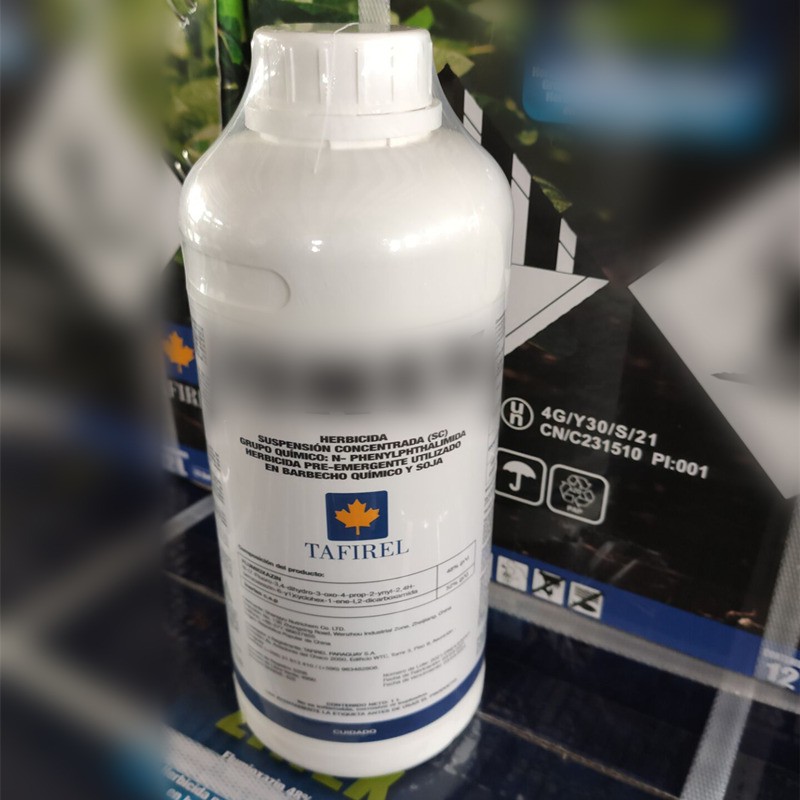
Hey there! I'm a supplier of profenofos, and today I want to have a chat about how profenofos affects the water quality in irrigation systems.
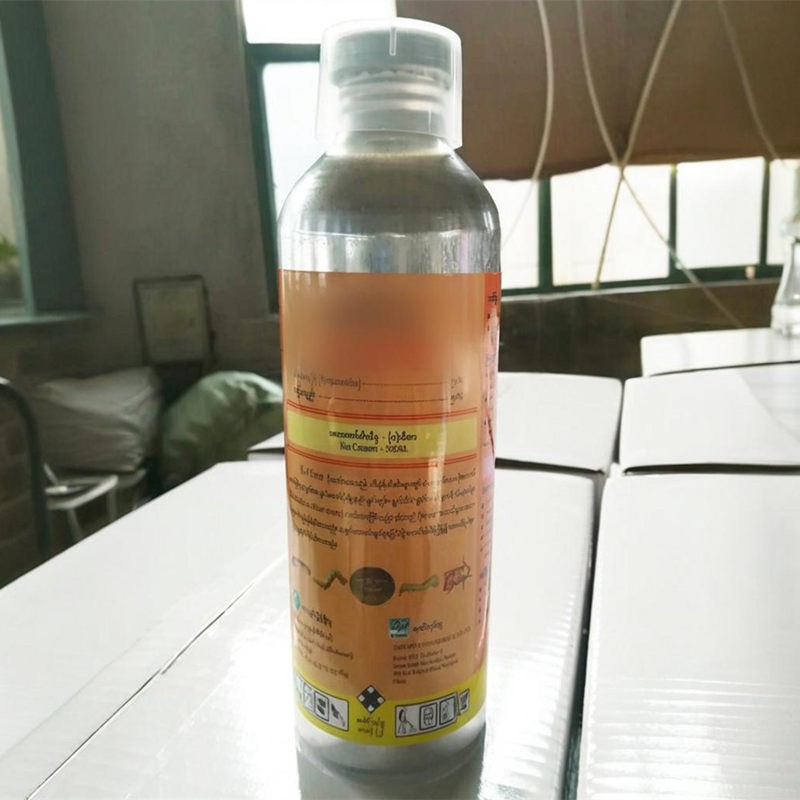
First off, let's get to know what profenofos is. Profenofos is a widely - used organophosphate insecticide. It's pretty effective in controlling a variety of pests in agricultural fields. You can check out Profenofos 500G/L EC for more details about one of the common formulations.
When it comes to irrigation systems, water quality is super important. It directly impacts the health of crops, the soil, and even the surrounding environment. So, how does profenofos fit into this picture?
One of the main concerns is the solubility of profenofos in water. Profenofos has a certain degree of solubility, which means it can dissolve in the water used for irrigation. Once it gets into the irrigation water, it can be transported throughout the system and spread across the fields.
The presence of profenofos in irrigation water can have several effects on water quality. For starters, it can change the chemical composition of the water. Organophosphate insecticides like profenofos can break down into various metabolites in water. These metabolites may have different chemical properties compared to the original compound. Some of these breakdown products can be more persistent in the environment, which means they stay in the water for a longer time.
Another aspect is the impact on aquatic life in the irrigation system. There are often small organisms such as algae, bacteria, and invertebrates living in the water. Profenofos can be toxic to these organisms. Algae, for example, play a crucial role in the water ecosystem as they are the primary producers. They produce oxygen and are a food source for other organisms. When profenofos enters the water, it can inhibit the growth of algae. This not only disrupts the food chain in the water but also affects the oxygen production. As a result, the overall balance of the aquatic ecosystem in the irrigation system can be thrown off.
In addition, profenofos can also affect the taste and odor of the water. Although this might not seem like a big deal at first, it can be a problem if the water is used for other purposes besides irrigation. For instance, if there are some domestic water sources near the irrigation area, and the water gets contaminated with profenofos, the unpleasant taste and odor can make the water unpalatable.
Now, let's talk about how profenofos reaches the irrigation water in the first place. There are a few ways this can happen. One common way is through runoff. When farmers apply profenofos to their fields, if it rains or there is excessive irrigation, the water can carry the insecticide from the fields into the nearby irrigation channels or water bodies. Another way is through improper disposal of unused profenofos products. If farmers or agricultural workers don't dispose of the leftover insecticide correctly, it can end up in the water sources.
To minimize the impact of profenofos on water quality in irrigation systems, there are some measures that can be taken. First of all, proper application techniques are crucial. Farmers should follow the recommended dosage and application methods provided on the product label. This can reduce the amount of profenofos that is likely to be washed off into the water.
Secondly, buffer zones can be established around the fields. These buffer zones can act as a filter, trapping the profenofos before it reaches the irrigation water. Plants in the buffer zones can absorb some of the insecticide, and the soil can also adsorb it to a certain extent.
Water treatment is also an option. There are various water treatment methods available that can remove or reduce the concentration of profenofos in the water. For example, activated carbon filtration can be used to adsorb the insecticide and its metabolites.
As a profenofos supplier, I understand the importance of balancing the need for effective pest control and protecting water quality. We are committed to providing high - quality profenofos products and also offering advice on how to use them in an environmentally friendly way.
If you're in the agricultural business and are looking for a reliable profenofos supplier, I'd love to have a chat with you. We can discuss your specific needs, and I can provide you with all the information you need about our products. Whether you're dealing with a small - scale farm or a large - scale agricultural operation, we've got the right solutions for you.
In conclusion, profenofos can have significant impacts on the water quality in irrigation systems. But with proper management and the right approach, we can ensure that the benefits of using profenofos in pest control are maximized while minimizing its negative effects on the environment. So, if you're interested in our profenofos products or have any questions regarding its use and impact, don't hesitate to reach out and start a conversation. We're here to help you make the most of your agricultural activities.
References
- Smith, J. (2018). The impact of organophosphate insecticides on aquatic ecosystems. Journal of Environmental Science, 25(3), 123 - 135.
- Johnson, R. (2019). Water quality management in agricultural irrigation systems. Agricultural Review, 30(2), 89 - 98.
- Brown, S. (2020). Safe use and disposal of pesticides in agriculture. Environmental Health Magazine, 15(4), 56 - 67.