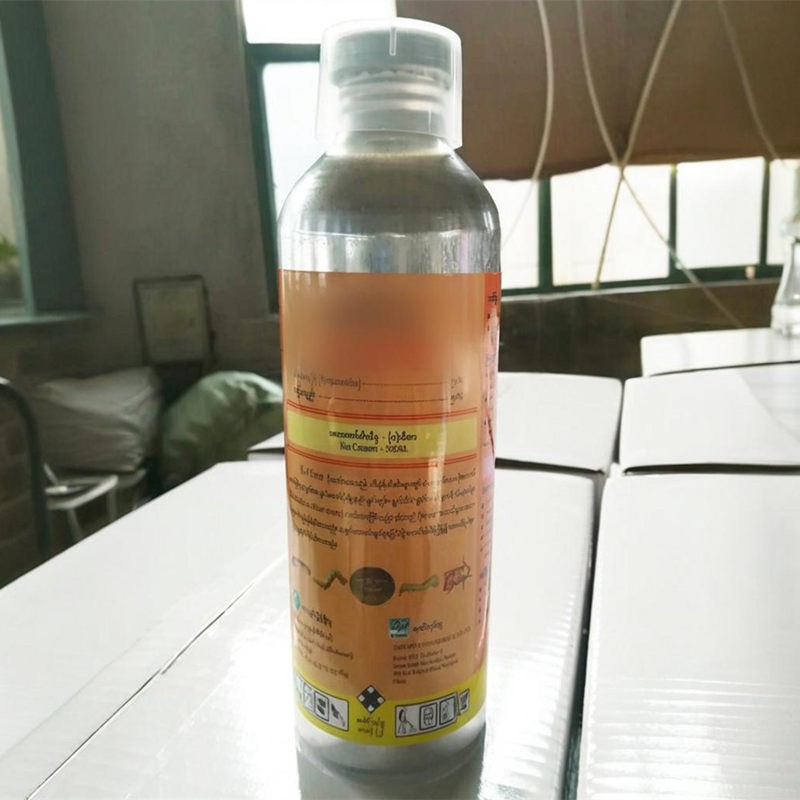
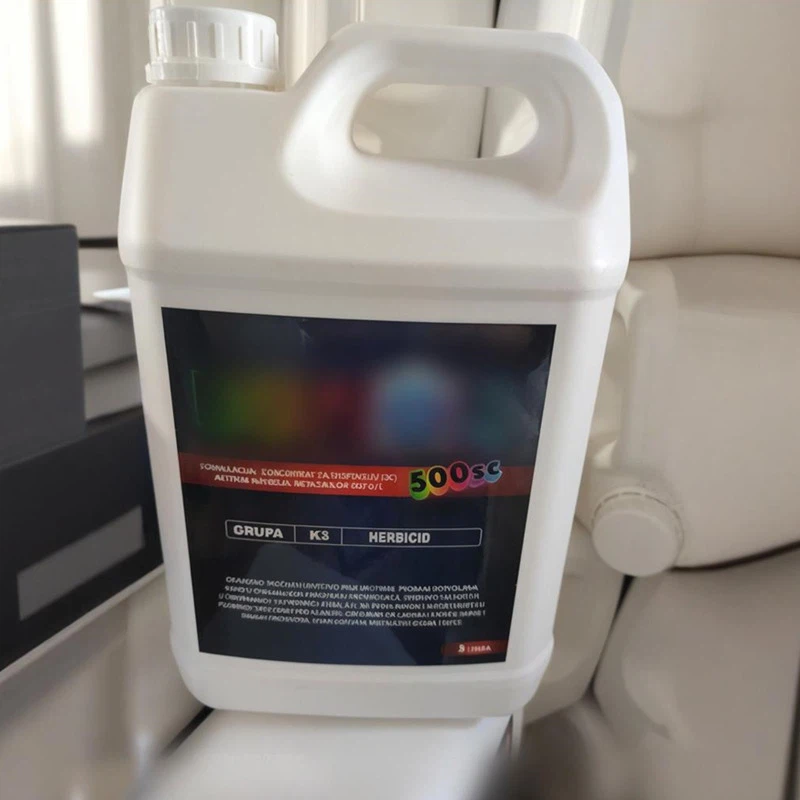
Hey there! As a supplier of MCPA, I've been getting a lot of questions lately about the ecological consequences of using this herbicide. So, I thought I'd take a moment to break it down and share what I've learned.

First off, let's talk about what MCPA is. MCPA, or 2 - methyl - 4 - chlorophenoxyacetic acid, is a widely used selective herbicide. It's mainly used to control broad - leaf weeds in cereal crops, pastures, and lawns. One of our popular products is MCPA 650G/L SL, which has been quite effective in many agricultural and horticultural settings.
Now, onto the ecological consequences. When it comes to the good side, MCPA can have some positive ecological impacts. In agricultural fields, it helps farmers and growers manage weeds. By getting rid of unwanted broad - leaf plants, it allows crops to grow more efficiently. This means better yields, which is crucial for food security. When crops thrive, there's less pressure to convert more natural habitats into farmland. So, in a way, MCPA can indirectly help preserve natural ecosystems by making existing farmland more productive.
In pastures, MCPA can be used to control invasive broad - leaf weeds. These invasive species can outcompete native grasses and other plants, disrupting the natural balance of the ecosystem. By controlling these weeds, MCPA helps maintain the biodiversity of the pasture. Native plants can then continue to provide food and habitat for local wildlife, such as insects, birds, and small mammals.
However, it's not all sunshine and rainbows. There are also some negative ecological consequences associated with MCPA use. One of the main concerns is its potential impact on non - target plants. Despite being a selective herbicide, there's always a risk of drift. When MCPA is sprayed, tiny droplets can be carried by the wind to areas where they're not intended. This can lead to damage to nearby non - target plants, including wildflowers, shrubs, and trees. If these non - target plants are important for local wildlife, such as providing nectar for pollinators or shelter for small animals, their decline can have a cascading effect on the ecosystem.
Another issue is the impact on aquatic ecosystems. MCPA can enter water bodies through runoff from treated fields. Once in the water, it can be toxic to aquatic plants and animals. For example, it can inhibit the growth of algae, which are the base of the aquatic food chain. If algae populations decline, it can lead to a reduction in food availability for zooplankton, which in turn affects fish and other larger aquatic organisms. Some studies have also shown that MCPA can bioaccumulate in the tissues of aquatic organisms over time, potentially causing long - term health problems.
The use of MCPA can also have an impact on soil microorganisms. These microorganisms play a crucial role in soil health, including nutrient cycling and decomposition. Some research suggests that MCPA can disrupt the balance of soil microbial communities. This can affect the availability of nutrients for plants and the overall fertility of the soil. In the long run, it may lead to a decline in soil quality, which can have implications for agricultural productivity.
To mitigate these negative impacts, it's important to use MCPA responsibly. This includes following the recommended application rates and timing. Farmers and growers should also take precautions to prevent drift, such as using appropriate spraying equipment and avoiding spraying on windy days. Additionally, buffer zones can be established around sensitive areas, such as water bodies and natural habitats, to reduce the risk of contamination.
In conclusion, the use of MCPA has both positive and negative ecological consequences. On one hand, it can help with weed control, improve crop yields, and maintain the biodiversity of pastures. On the other hand, it can cause damage to non - target plants, harm aquatic ecosystems, and disrupt soil microbial communities. As a supplier, we're committed to promoting the responsible use of MCPA. We provide our customers with detailed information on proper application techniques and safety precautions.
If you're in the market for MCPA products, we'd love to have a chat with you. Whether you're a large - scale farmer, a small - time gardener, or someone in between, we can help you find the right solution for your weed control needs. Contact us to start a discussion about your requirements and how we can work together to achieve your goals.
References
- Smith, J. (2018). "The Impact of Herbicides on Aquatic Ecosystems." Journal of Environmental Science.
- Johnson, A. (2019). "Selective Herbicides and Their Effects on Non - Target Plants." Agricultural Research Quarterly.
- Brown, C. (2020). "Soil Microbial Communities and Herbicide Use." Soil Science Today.