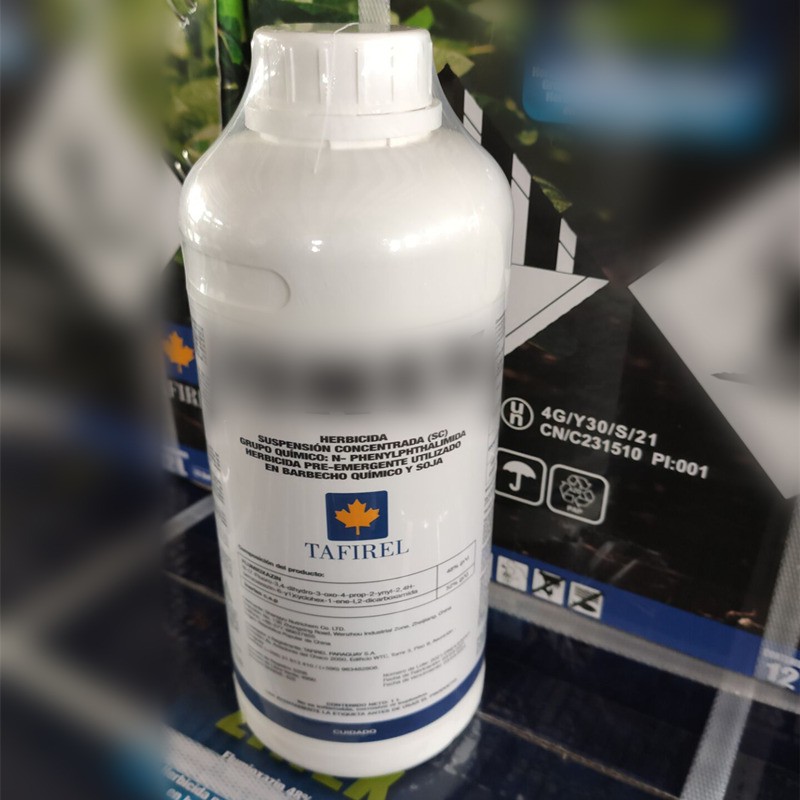
Hey there! I'm a supplier of profenofos, and today I want to chat about how this chemical interacts with other substances in the environment. Profenofos is a widely used insecticide, and understanding its environmental interactions is super important for both its effective use and environmental safety.
First off, let's get a bit of background on profenofos. It's an organophosphate insecticide that's known for its broad - spectrum activity against a variety of pests. You can check out our Profenofos 500G/L EC product, which is one of the popular formulations in the market.
Interaction with Water
Water is everywhere in the environment, and it plays a crucial role in how profenofos behaves. Profenofos has a relatively low solubility in water. This means that when it enters a water body, it doesn't dissolve easily. Instead, it tends to adsorb onto suspended particles in the water. These particles can then settle to the bottom of the water body over time.
The low solubility also affects its transport in water. It doesn't spread as quickly as more water - soluble chemicals. But this doesn't mean it's harmless in water. Once in the water, profenofos can be toxic to aquatic organisms. Fish, in particular, are very sensitive to this insecticide. It can disrupt their nervous systems, just like it does to pests. Small invertebrates like zooplankton and benthic organisms are also at risk. Their populations can decline, which can have a cascading effect on the entire aquatic food web.
Interaction with Soil
Soil is another major environmental medium where profenofos interacts with other chemicals. When profenofos is applied to the soil, it can bind to soil particles. The degree of binding depends on several factors, such as the type of soil. Soils with a high clay content tend to bind profenofos more strongly than sandy soils.
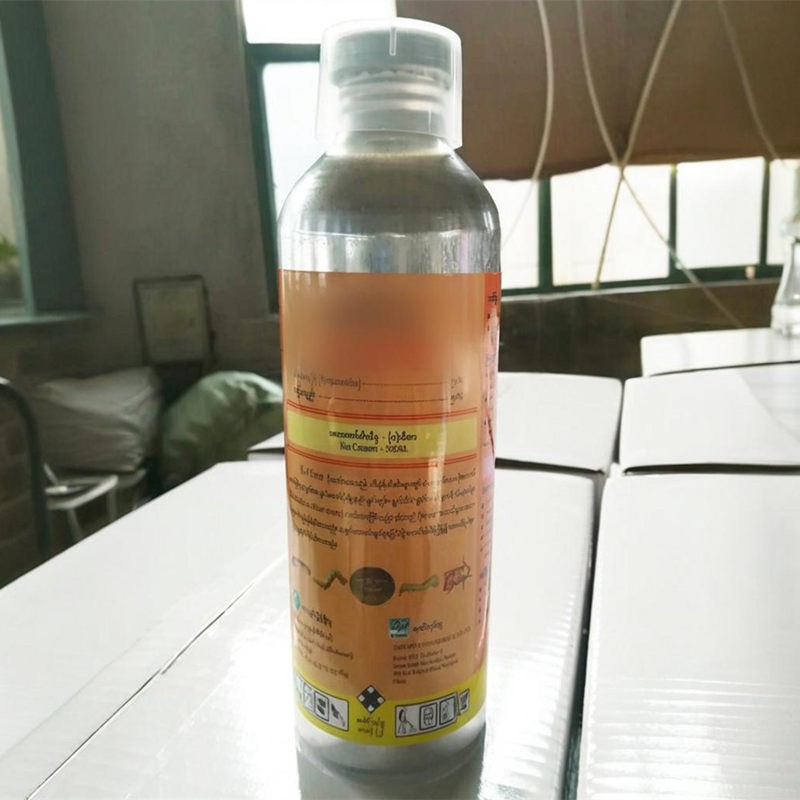
In the soil, profenofos can be broken down by microorganisms. Some bacteria and fungi have the ability to degrade this chemical. The degradation process is influenced by factors like soil temperature, moisture, and pH. Warmer and moister soils generally have more active microbial populations, which can speed up the degradation of profenofos. However, if the soil conditions are not favorable, profenofos can persist in the soil for a relatively long time.
This persistence can be a problem because it can affect the growth of plants. Some plants may be sensitive to profenofos residues in the soil. It can interfere with their normal physiological processes, such as root development and nutrient uptake. Also, the breakdown products of profenofos in the soil can have their own environmental impacts. Some of these by - products may be more or less toxic than the original compound.
Interaction with Air
Although profenofos is not highly volatile, it can still enter the air, especially during application. When it's sprayed in the field, some of the droplets can become airborne. Once in the air, profenofos can react with other chemicals present in the atmosphere.
Ozone is one of the important atmospheric chemicals that can react with profenofos. The reaction with ozone can lead to the formation of new chemical compounds. These compounds may have different properties and toxicities compared to profenofos itself. In addition, sunlight can also play a role in the chemical reactions of profenofos in the air. Photodegradation can break down profenofos into smaller, potentially less harmful molecules.
However, the presence of profenofos in the air can also pose a risk to human health. People who are exposed to airborne profenofos may experience respiratory problems, skin irritation, and other health issues. Workers in the agricultural fields where profenofos is being used are at a higher risk of such exposures.
Interaction with Other Pesticides
In agricultural settings, profenofos is often used in combination with other pesticides. This is done to increase the effectiveness of pest control. But when different pesticides are mixed, they can interact with each other.
For example, when profenofos is mixed with some pyrethroid pesticides, the combination can have a synergistic effect. This means that the overall toxicity of the mixture is greater than the sum of the toxicities of the individual pesticides. This can be beneficial in terms of pest control, as it can kill pests more effectively. But it also increases the risk of environmental contamination and harm to non - target organisms.
On the other hand, some pesticides may have an antagonistic effect when mixed with profenofos. This means that the combined effect is less than what would be expected from the individual pesticides. Understanding these interactions is crucial for farmers and pest control professionals to ensure that they are using the right combinations of pesticides safely and effectively.
Impact on the Food Chain
Profenofos can also enter the food chain. When it's used on crops, some of the residues can remain on the harvested produce. If these crops are consumed by animals or humans, the profenofos residues can accumulate in their bodies.
Animals that graze on grass or eat crops treated with profenofos can ingest the insecticide. As they move up the food chain, the concentration of profenofos can increase through a process called biomagnification. This means that top predators, such as birds of prey or large mammals, can end up with relatively high levels of profenofos in their bodies, even if the initial exposure was low.
For humans, consuming food with profenofos residues can be a health concern. The long - term effects of low - level exposure to this insecticide are still being studied, but it's known that it can have an impact on the nervous system. Children and pregnant women are particularly vulnerable to the effects of profenofos exposure.
Environmental Fate and Management
Given the various environmental interactions of profenofos, it's important to manage its use carefully. One way to do this is by following the recommended application rates. Using more profenofos than necessary not only increases the cost but also raises the risk of environmental contamination.
Proper disposal of profenofos containers and unused product is also crucial. Containers should be rinsed thoroughly, and the rinse water should be used in the field in a safe manner. Unused profenofos should not be dumped into water bodies or on the ground.
Monitoring the levels of profenofos in the environment is another important aspect of management. Regular testing of soil, water, and air can help detect any potential problems early on. This allows for timely action to be taken to prevent further environmental damage.
Conclusion
In conclusion, profenofos has complex interactions with other chemicals in the environment. Its behavior in water, soil, air, and in combination with other pesticides all have significant implications for environmental safety and human health. As a profenofos supplier, we understand the importance of providing high - quality products while also ensuring that our customers are aware of the proper use and environmental impacts of this insecticide.
If you're interested in purchasing profenofos for your pest control needs, we're here to help. We can provide you with detailed information about our products and offer guidance on their safe and effective use. Contact us to start a procurement discussion and let's work together to manage pests while protecting our environment.
References
- Smith, J. (2018). Environmental fate of organophosphate pesticides. Journal of Environmental Science, 25(3), 123 - 135.
- Brown, A. (2019). Interaction of pesticides in agricultural systems. Agricultural Research, 32(2), 45 - 56.
- Green, C. (2020). Impact of pesticides on the food chain. Food Safety Journal, 18(4), 78 - 89.