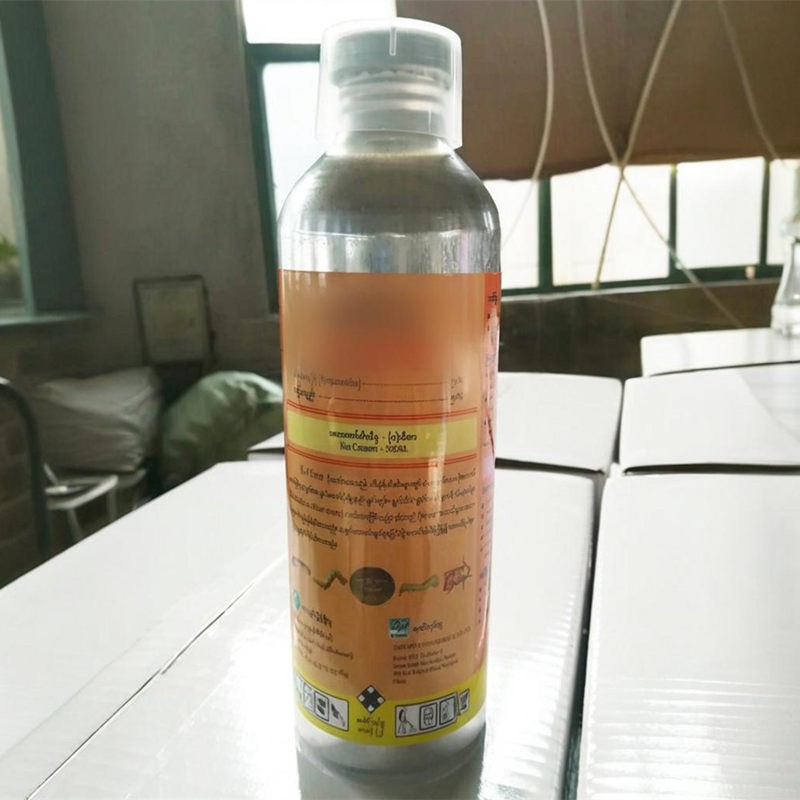
No - till farming has gained significant traction in recent years as a sustainable agricultural practice that helps reduce soil erosion, conserve water, and lower production costs. One of the key challenges in no - till farming is weed management. With this in mind, many farmers are turning to effective herbicides, and flumioxazin is a product that often comes into the conversation. As a flumioxazin supplier, I am well - versed in the potential of this herbicide in no - till farming, and I'm here to explore whether flumioxazin can indeed be used in this context.
Understanding No - Till Farming
No - till farming is a method of growing crops without disturbing the soil through tillage. Instead of plowing or disking the fields, seeds are planted directly into untilled soil. This approach preserves the soil structure, increases organic matter content, and promotes beneficial soil organisms. However, without the mechanical weed control provided by tillage, weed management becomes more reliant on chemical and non - chemical herbicides.
What is Flumioxazin?
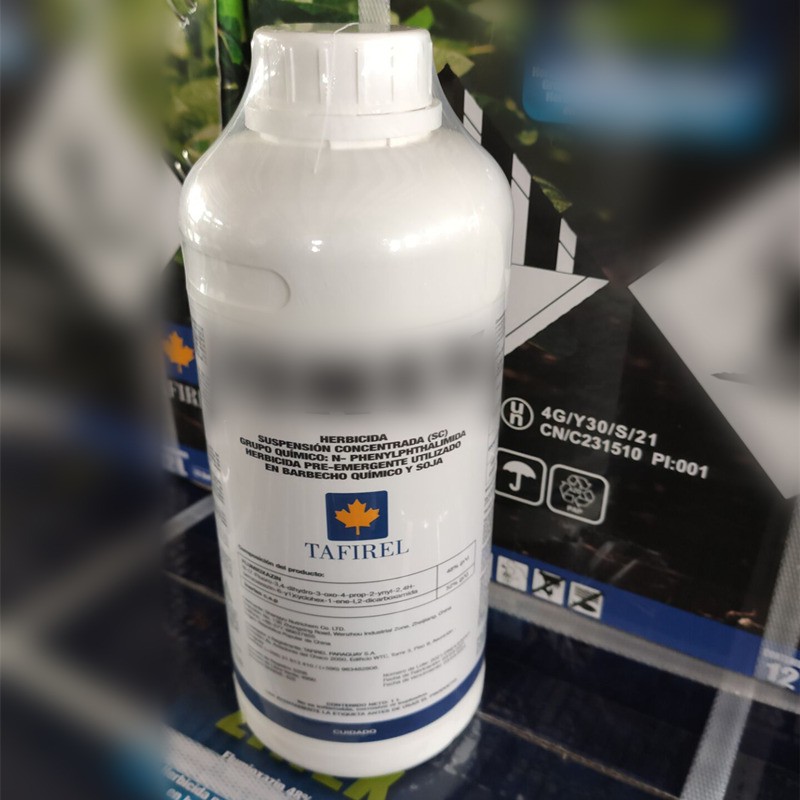
Flumioxazin is a pre - emergent and early post - emergent herbicide that belongs to the N - phenylphthalimide chemical family. It works by inhibiting protoporphyrinogen oxidase (PPO), an enzyme involved in the synthesis of chlorophyll in plants. When weeds absorb flumioxazin, it disrupts their normal growth processes, leading to cell membrane destruction and ultimately, the death of the weed.
Advantages of Using Flumioxazin in No - Till Farming
1. Effective Weed Control
One of the primary benefits of flumioxazin in no - till farming is its broad - spectrum weed control. It is effective against a wide range of broadleaf weeds, including pigweed, lambsquarters, and morning glory. These weeds can be particularly problematic in no - till systems because they can quickly establish themselves in the untilled soil. By applying flumioxazin as a pre - emergent herbicide, farmers can prevent weed seeds from germinating and emerging, providing a clean start for their crops.
2. Residual Activity
Flumioxazin has a relatively long residual activity in the soil. This means that it can continue to control weeds for an extended period after application. In a no - till system, where weed pressure can be continuous throughout the growing season, this residual activity is a valuable asset. It reduces the need for multiple herbicide applications, saving time and money for farmers.
3. Compatibility with No - Till Equipment
Flumioxazin can be easily applied using standard no - till equipment, such as sprayers. This makes it a convenient option for farmers who are already using no - till methods. Whether it is applied as a broadcast spray or in a banded application near the crop rows, flumioxazin can be integrated seamlessly into existing no - till farming operations.
4. Crop Safety
When used according to the label instructions, flumioxazin is generally safe for a variety of crops commonly grown in no - till systems, such as soybeans, cotton, and peanuts. This allows farmers to use flumioxazin to control weeds without worrying about significant damage to their crops.
Challenges and Considerations
1. Soil Type and pH
The effectiveness of flumioxazin can be influenced by soil type and pH. In soils with high organic matter content or high pH, the herbicide may bind to the soil particles more tightly, reducing its availability to control weeds. Farmers need to take these factors into account when applying flumioxazin and may need to adjust the application rate accordingly.
2. Environmental Conditions
Environmental conditions at the time of application can also affect the performance of flumioxazin. For example, heavy rainfall shortly after application can cause the herbicide to be washed off the soil surface, reducing its effectiveness. On the other hand, dry conditions can limit the activation of the herbicide in the soil.
3. Resistance Management
As with any herbicide, there is a risk of weed resistance developing to flumioxazin. To mitigate this risk, farmers should use flumioxazin as part of an integrated weed management strategy that includes crop rotation, the use of multiple herbicide modes of action, and cultural practices such as cover cropping.
Case Studies: Flumioxazin in No - Till Farming
There have been numerous case studies that demonstrate the successful use of flumioxazin in no - till farming. In a study conducted on a soybean farm in the Midwest, farmers applied Flumioxazin 480G/L SC as a pre - emergent herbicide in a no - till system. The results showed a significant reduction in weed density compared to the untreated control plots. The soybean yield was also higher in the treated plots, indicating that the effective weed control provided by flumioxazin had a positive impact on crop productivity.
Application Guidelines for Flumioxazin in No - Till Farming
1. Timing of Application
For pre - emergent control, flumioxazin should be applied before weed seeds germinate. This is typically just before or shortly after planting the crop. In some cases, an early post - emergent application may also be effective, but it should be done when the weeds are still small and actively growing.
2. Application Rate
The application rate of flumioxazin depends on the crop, soil type, and weed pressure. It is important to follow the label instructions carefully to ensure effective weed control while minimizing the risk of crop injury.
3. Tank Mixing
Flumioxazin can be tank - mixed with other herbicides to broaden the spectrum of weed control and reduce the risk of resistance. However, it is essential to check the compatibility of the herbicides before tank - mixing to avoid any adverse effects.
Conclusion
In conclusion, flumioxazin can be a valuable tool in no - till farming. Its broad - spectrum weed control, residual activity, compatibility with no - till equipment, and crop safety make it a suitable option for farmers looking to manage weeds effectively in their no - till systems. However, farmers need to be aware of the challenges and considerations associated with its use, such as soil type, environmental conditions, and resistance management.
If you are a farmer interested in using flumioxazin in your no - till farming operation, I encourage you to reach out to discuss your specific needs. We can provide you with detailed information about our flumioxazin products, including Flumioxazin 480G/L SC, and help you develop a customized weed management plan. Contact us to start a conversation about how flumioxazin can enhance the productivity and sustainability of your no - till farm.
References
- Shaner, D. L. (2014). Herbicide Handbook. Weed Science Society of America.
- Zimdahl, R. L. (2004). Fundamentals of Weed Science. Academic Press.
- Various research studies on flumioxazin and no - till farming published in agricultural journals.