Hey there! As a quinclorac supplier, I'm super stoked to dive into how this amazing herbicide works. Quinclorac is a game - changer in the world of weed control, and understanding its mechanism can help you make the most out of it.
First off, let's talk about what quinclorac is. It's a selective herbicide, which means it targets specific types of weeds while leaving your desired plants unharmed. This is a huge plus because you don't have to worry about accidentally killing your crops or the grass in your lawn.
So, how does it actually work on those pesky weeds? Well, quinclorac belongs to the class of synthetic auxin herbicides. Auxins are plant hormones that play a crucial role in plant growth and development. They regulate cell elongation, division, and differentiation. Synthetic auxin herbicides like quinclorac mimic the action of natural auxins in plants.
When quinclorac is applied to the weeds, it gets absorbed through the leaves, stems, and roots. Once inside the plant, it starts to disrupt the normal hormonal balance. The weed essentially gets confused and starts to grow in an abnormal way. It's like giving the plant a set of wrong instructions.
One of the main effects of quinclorac on weeds is that it causes uncontrolled cell division and elongation. This leads to the rapid growth of certain parts of the plant, like the stems and roots. The weed starts to grow in a distorted and twisted manner. You might notice that the stems become thick and brittle, and the leaves curl up.
Another important aspect is that quinclorac affects the plant's ability to transport nutrients and water. The normal vascular system of the weed gets messed up. The xylem, which is responsible for transporting water and minerals from the roots to the rest of the plant, and the phloem, which transports sugars and other organic compounds, don't function properly. As a result, the weed can't get the resources it needs to survive, and it eventually dies.
Let's take a closer look at the specific types of weeds that quinclorac is effective against. It's particularly good at controlling broad - leaf weeds and grassy weeds in rice fields, lawns, and other agricultural settings. In rice fields, it can target weeds like barnyardgrass, which is a major problem for rice farmers. Barnyardgrass competes with rice for nutrients, water, and sunlight, and can significantly reduce rice yields. Quinclorac can selectively kill barnyardgrass without harming the rice plants.
In lawns, quinclorac can be used to get rid of weeds like crabgrass. Crabgrass is a common and invasive weed that can make your lawn look patchy and unkempt. By applying quinclorac, you can keep your lawn looking lush and green.
Now, let's talk about the application of quinclorac. It's important to follow the instructions carefully. The application rate depends on the type of weed you're targeting, the stage of weed growth, and the type of crop or area you're treating. Generally, it's applied as a spray. You can use a handheld sprayer for small areas like a home lawn, or a larger agricultural sprayer for big fields.
It's also crucial to apply quinclorac at the right time. For most weeds, the best time to apply is when they are in the early stages of growth. This is because the younger weeds are more susceptible to the herbicide. Applying it too late might not be as effective, as the weeds may have already developed a certain level of resistance.
One of the great things about quinclorac is its persistence in the soil. It can remain active in the soil for a certain period of time, which means it can continue to control weeds that germinate later. However, this also means that you need to be careful about what you plant after using quinclorac. Some sensitive plants may be affected by the residual herbicide in the soil.

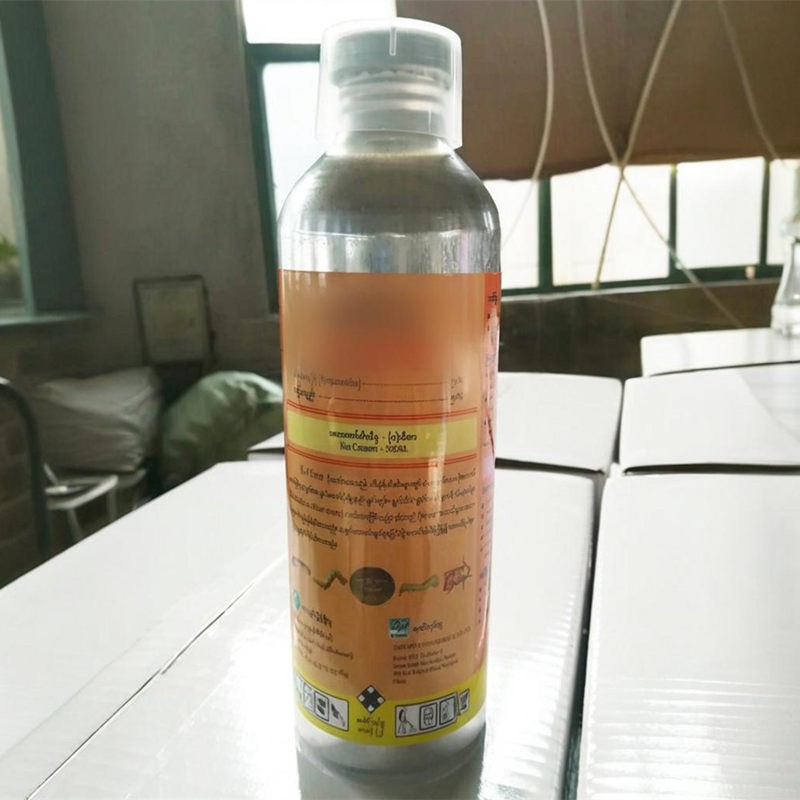
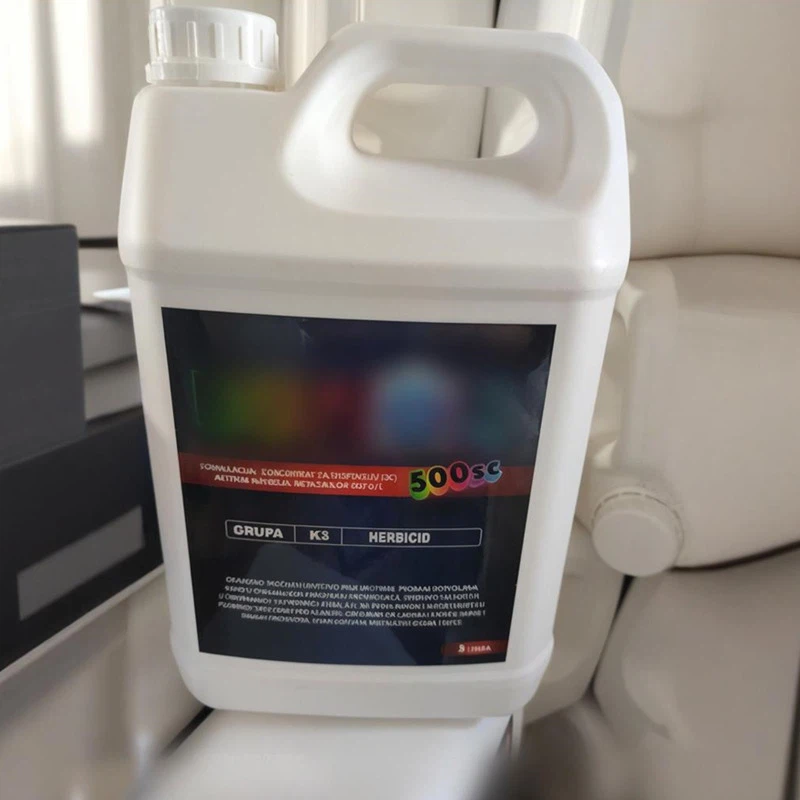
If you're interested in using quinclorac for your weed control needs, we offer Quinclorac 250G/L SC. This formulation is easy to use and highly effective. It's been tested and proven to work well in various conditions.
We understand that every customer's situation is different. Whether you're a large - scale farmer or a homeowner with a small lawn, we can provide you with the right advice on how to use quinclorac effectively. Our team of experts is always ready to answer your questions and help you get the best results.
If you're thinking about purchasing quinclorac, don't hesitate to get in touch with us. We can discuss your specific needs, the quantity you require, and the best way to apply it. We're committed to providing high - quality products and excellent customer service. So, if you want to take control of those weeds and have a healthy, weed - free environment, reach out to us for a purchase and let's start this journey together.
References
- "Herbicide Handbook" - Published by the Weed Science Society of America
- Research papers on synthetic auxin herbicides and their mode of action in scientific journals such as "Weed Science" and "Pest Management Science"