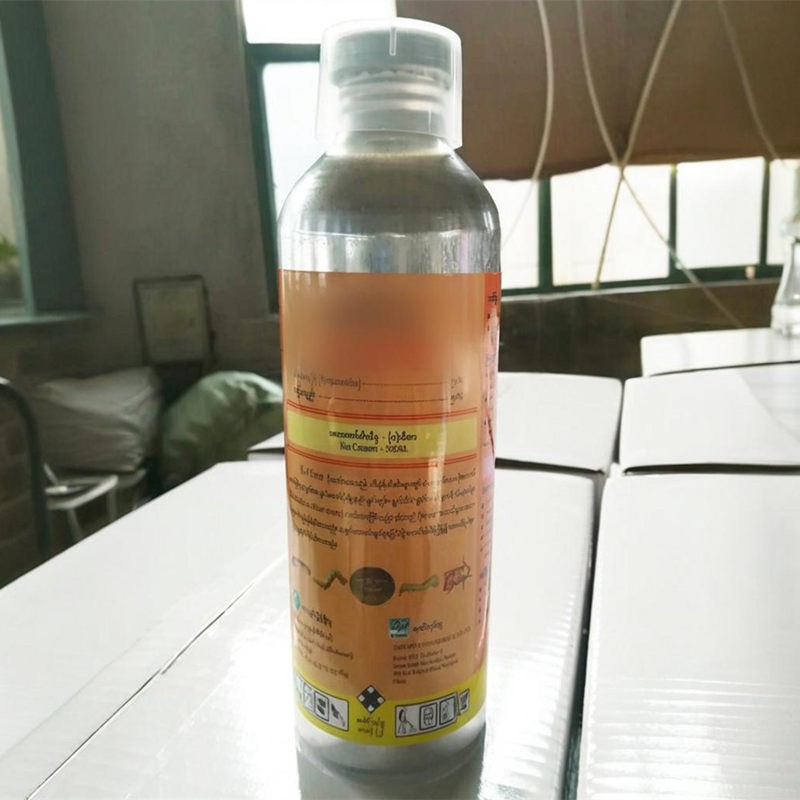
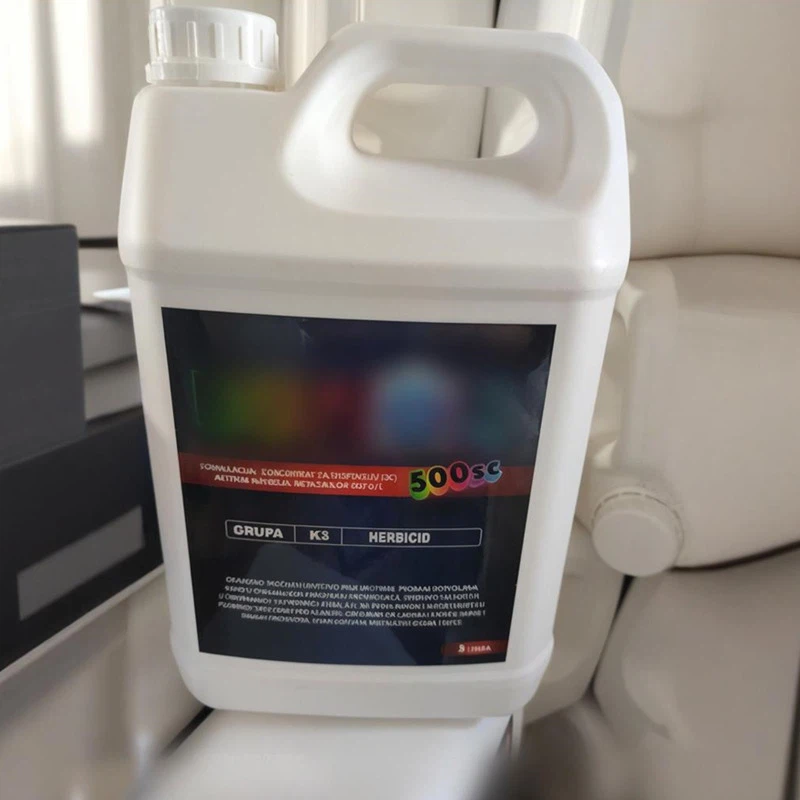
Hey there! As a lactofen supplier, I'm super stoked to dig deep into the mechanism of action of lactofen with you. It's a pretty fascinating herbicide that's been making waves in the agricultural world, and I can't wait to share all the nitty - gritty details.
First off, let's talk about what lactofen is. Lactofen is a diphenylether herbicide. It's commonly formulated as Lactofen 240G/L EC. This herbicide is mainly used to control broad - leaf weeds in various crops, and it's known for its high efficiency and relatively low toxicity to mammals.
So, how does it actually work? Well, lactofen's mechanism of action is centered around disrupting the normal physiological processes of weeds at a cellular level. When lactofen is applied to the leaves of weeds, it gets absorbed through the cuticle and into the plant cells.
One of the key targets of lactofen is the enzyme protoporphyrinogen oxidase (PPO). PPO is a crucial enzyme in the porphyrin biosynthesis pathway, which is responsible for the production of chlorophyll and other important porphyrin - containing compounds in plants. In normal plant cells, PPO catalyzes the oxidation of protoporphyrinogen IX to protoporphyrin IX.
When lactofen enters the plant cell, it acts as a potent inhibitor of PPO. By binding to the active site of the PPO enzyme, lactofen prevents the normal conversion of protoporphyrinogen IX to protoporphyrin IX. As a result, protoporphyrinogen IX starts to accumulate in the cell.
This accumulation of protoporphyrinogen IX is a big problem for the plant. Protoporphyrinogen IX is normally kept inside the plastids, where it's safely converted to protoporphyrin IX. But when lactofen inhibits PPO, protoporphyrinogen IX leaks out of the plastids into the cytoplasm.
Once in the cytoplasm, protoporphyrinogen IX is rapidly oxidized to protoporphyrin IX by a non - enzymatic process. Protoporphyrin IX is a photosensitizer. When exposed to light, it absorbs photons and gets excited to a higher energy state.
In its excited state, protoporphyrin IX reacts with oxygen molecules in the cell to generate singlet oxygen. Singlet oxygen is an extremely reactive and toxic form of oxygen. It can cause severe damage to cell membranes, proteins, and nucleic acids.
The damage to the cell membranes is particularly significant. Singlet oxygen reacts with the unsaturated fatty acids in the cell membranes, causing lipid peroxidation. This leads to the breakdown of the cell membrane structure, which in turn disrupts the normal functioning of the cell. The cell loses its ability to maintain its internal environment, and essential molecules and ions start to leak out.
As more and more cells are damaged by the singlet oxygen, the overall health of the weed deteriorates. The leaves of the weed start to show symptoms such as wilting, yellowing, and necrosis. Eventually, the weed dies.
Another interesting aspect of lactofen's mechanism of action is its selectivity. Lactofen is selective between broad - leaf weeds and many crops. This selectivity is mainly due to differences in the metabolism and detoxification ability of different plants.
Some crops, like soybeans, have a higher capacity to metabolize lactofen into less toxic compounds. They have enzymes that can break down lactofen or conjugate it with other molecules, reducing its herbicidal activity. In contrast, broad - leaf weeds lack these efficient detoxification mechanisms, making them more susceptible to the effects of lactofen.
The application of lactofen also has some specific requirements. It's usually applied post - emergence, which means it's sprayed on the weeds after they have emerged from the soil. This allows the herbicide to directly contact the leaves of the weeds and be absorbed more effectively.
The effectiveness of lactofen can be influenced by several factors. Environmental conditions, such as temperature, humidity, and light intensity, play a role. Higher temperatures and adequate humidity generally enhance the absorption and translocation of lactofen within the weed. Light is also crucial because it's required for the generation of singlet oxygen by protoporphyrin IX.
In terms of its benefits for farmers, lactofen offers a cost - effective solution for weed control. Since it can effectively control a wide range of broad - leaf weeds, it helps to reduce competition for nutrients, water, and sunlight in the crop fields. This leads to better crop yields and higher quality produce.
Now, if you're a farmer or someone involved in the agricultural industry and you're looking for a reliable lactofen supplier, you've come to the right place. Our lactofen products, like the Lactofen 240G/L EC, are of the highest quality. We ensure strict quality control in the manufacturing process to guarantee the effectiveness and safety of our products.

If you're interested in learning more about lactofen or want to discuss a potential purchase, don't hesitate to reach out. We're always happy to answer your questions and help you find the best solution for your weed - control needs. Whether you have a small farm or a large - scale agricultural operation, we can provide you with the right amount of lactofen at a competitive price.
In conclusion, lactofen's mechanism of action is a complex but well - understood process that involves the inhibition of PPO, the accumulation of protoporphyrinogen IX, and the generation of singlet oxygen. This leads to the effective control of broad - leaf weeds while being relatively safe for many crops. If you're in the market for lactofen, give us a chance to serve you. We're confident that our products will meet your expectations and help you achieve a successful harvest.
References:
- Duke, S. O., & Powles, S. B. (2008). Glyphosate: A once - in - a - century herbicide. Pest Management Science, 64(4), 319 - 325.
- Nandula, V. K., Reddy, K. N., & Singh, A. (2008). Response of Palmer amaranth (Amaranthus palmeri) to postemergence applications of lactofen and glyphosate. Weed Technology, 22(3), 443 - 449.
- Dayan, F. E., Duke, S. O., & Romagni, J. G. (2012). Discovery and development of natural product herbicides. Natural Product Reports, 29(10), 1096 - 1117.