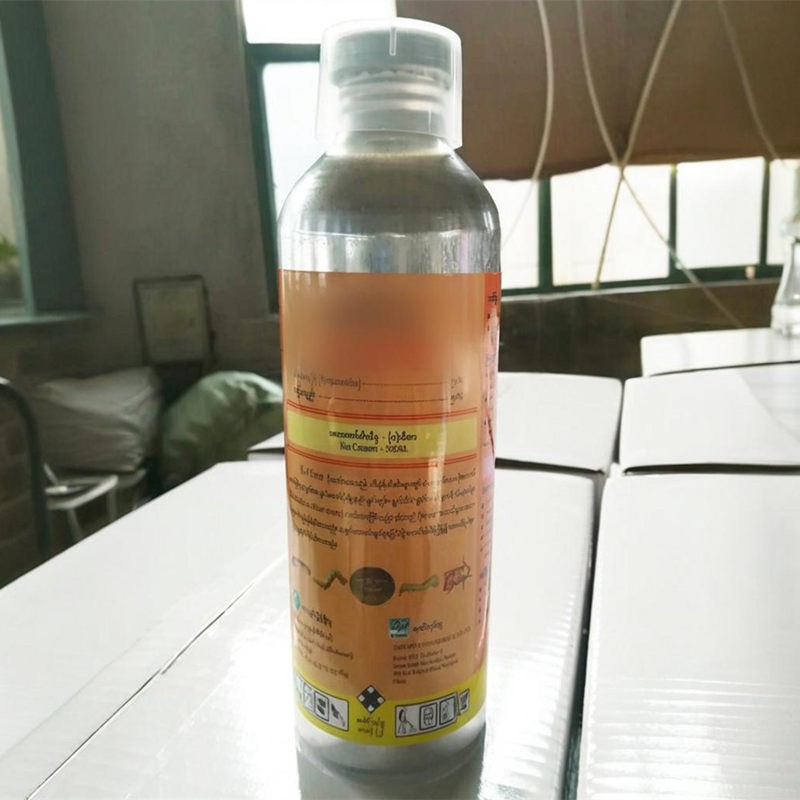
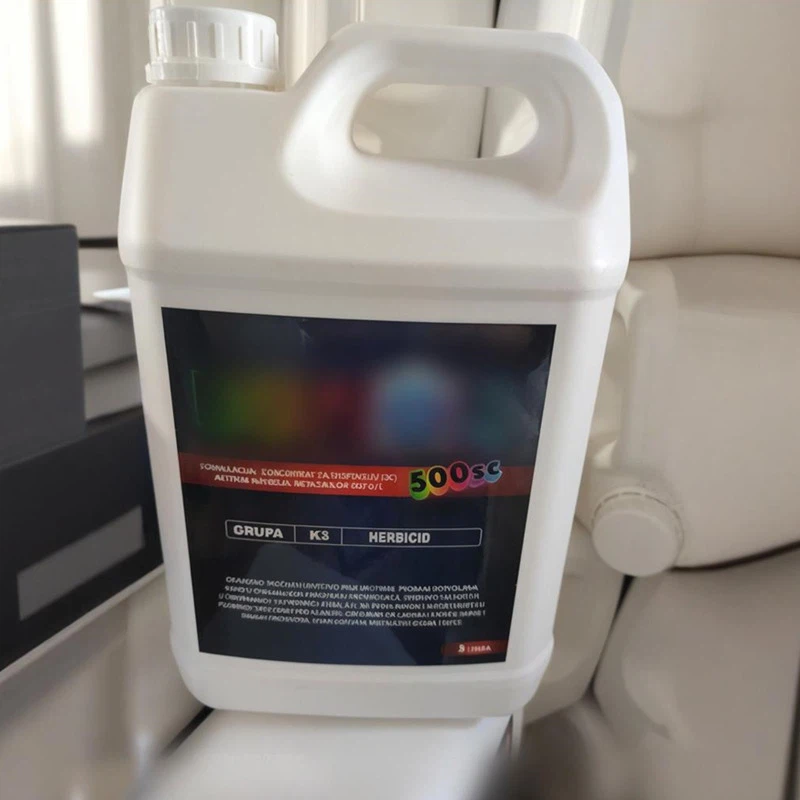
Pinoxaden is a well - known herbicide that has gained significant popularity among farmers and agricultural professionals for its effectiveness in controlling grass weeds. As a Pinoxaden supplier, I often receive inquiries about how long it takes for Pinoxaden to show results. In this blog post, I'll delve into this question, exploring the factors that influence the time frame and providing a comprehensive understanding of what users can expect.
Understanding Pinoxaden
Pinoxaden belongs to the class of herbicides known as phenylpyrazolines. It acts by inhibiting the acetyl - CoA carboxylase (ACCase) enzyme in grass weeds. This enzyme is crucial for fatty acid synthesis in plants, and by blocking it, Pinoxaden disrupts the normal growth and development of grass weeds, ultimately leading to their death.
One of the popular formulations we offer is Pinoxaden 100G/L + Cloquintocet - mexyl 25G/L EC. Cloquintocet - mexyl is a safener that protects cereal crops from the potential phytotoxic effects of Pinoxaden, allowing for selective weed control in cereal fields.
Factors Affecting the Time to Show Results
Weed Species
Different weed species have varying levels of susceptibility to Pinoxaden. Some grass weeds are more sensitive and may start showing visible symptoms within a few days after application. For example, annual ryegrass (Lolium rigidum) is relatively sensitive to Pinoxaden. Within 3 - 5 days of application, you may notice a stunting of growth and a change in the color of the leaves, which may turn yellowish or purplish.
On the other hand, some more resilient weed species may take longer to respond. Wild oats (Avena fatua), for instance, might take 7 - 10 days or even longer to show significant signs of damage. The biochemical and physiological characteristics of each weed species play a role in how quickly Pinoxaden can penetrate the plant, reach the target enzyme (ACCase), and disrupt its function.
Weed Growth Stage
The growth stage of the weeds at the time of application is a critical factor. Younger weeds are generally more susceptible to herbicides, including Pinoxaden. When weeds are in the early growth stages, they are actively growing and have a higher metabolic rate. This means that Pinoxaden can be absorbed and translocated more efficiently within the plant, leading to quicker results.
If weeds are in the seedling stage, you may start seeing effects within 5 - 7 days. However, if the weeds are more mature, with well - developed root systems and a thick waxy cuticle on their leaves, it may take 10 - 14 days or more for Pinoxaden to show visible results. Mature weeds may have a reduced ability to absorb the herbicide, and the longer - established physiological processes may be more difficult to disrupt.
Environmental Conditions
Environmental factors such as temperature, humidity, and rainfall can significantly impact the performance of Pinoxaden.
Temperature: Optimal temperatures for Pinoxaden activity are typically between 15 - 25°C (59 - 77°F). At these temperatures, the metabolic processes of the weeds are active, and the herbicide can be absorbed and translocated effectively. In warmer temperatures, the uptake and movement of Pinoxaden within the plant are faster, which can lead to quicker results. If the temperature is too low (below 10°C or 50°F), the weed's growth and metabolic rate slow down, and Pinoxaden may take longer to show effects. It could take 10 - 14 days or more in cold conditions.
Humidity: High humidity levels can enhance the absorption of Pinoxaden through the leaves of the weeds. When the air is humid, the stomata (tiny pores on the leaves) of the weeds are more likely to be open, allowing for better penetration of the herbicide. In dry and low - humidity conditions, the stomata may close, reducing the absorption of Pinoxaden and potentially delaying the onset of visible results.
Rainfall: A light rainfall shortly after application (within 24 - 48 hours) can help wash the herbicide off the leaves and into the soil, where it can be taken up by the roots of the weeds. However, heavy rainfall immediately after application can wash away the herbicide, reducing its effectiveness. If there is no rainfall for an extended period after application, the herbicide may not be properly activated, and it may take longer for the weeds to show signs of damage.
Application Rate and Method
The correct application rate of Pinoxaden is essential for achieving timely and effective results. If the application rate is too low, there may not be enough herbicide to completely inhibit the ACCase enzyme in the weeds, resulting in slower or incomplete control. A higher - than - recommended application rate may not necessarily speed up the results but can increase the risk of crop damage and environmental pollution.

The method of application also matters. A uniform and thorough application using the appropriate equipment, such as a calibrated sprayer, ensures that the herbicide is evenly distributed over the target area. If the application is patchy or uneven, some weeds may receive less herbicide, leading to inconsistent results and potentially longer times to see overall control.
Typical Time Frames for Visible Results
In general, under optimal conditions (correct application rate, young weed growth stage, suitable environmental conditions, and susceptible weed species), you can expect to start seeing some initial signs of Pinoxaden activity within 3 - 5 days. These signs may include a slight yellowing or discoloration of the weed leaves, a reduction in growth rate, and a loss of turgor (the plant may appear wilted).
Within 7 - 10 days, the symptoms should become more pronounced. The weeds may show severe stunting, with leaves becoming necrotic (dying) in patches. By 14 - 21 days after application, most susceptible weeds should be completely dead or severely damaged, depending on the factors mentioned above.
It's important to note that while visible symptoms are a good indication of herbicide activity, the complete death of the weeds may take a bit longer. Some weeds may continue to decline over several weeks as the herbicide continues to disrupt their physiological processes.
Monitoring and Follow - up
As a Pinoxaden supplier, I always recommend closely monitoring the treated area after application. This allows you to assess the effectiveness of the herbicide and determine if any follow - up actions are necessary. If you notice that the weeds are not showing the expected symptoms within the typical time frame, it could be due to one or more of the factors discussed earlier.
You may need to consider factors such as application errors, resistant weed populations, or unfavorable environmental conditions. In some cases, a second application may be required, but it's important to follow the label instructions and consult with an agricultural expert before taking such action.
Conclusion
The time it takes for Pinoxaden to show results is influenced by a variety of factors, including weed species, growth stage, environmental conditions, and application rate and method. Under optimal conditions, you can expect to see initial signs of activity within a few days, with more pronounced effects within 7 - 10 days and significant control within 14 - 21 days.
If you're interested in purchasing Pinoxaden for your agricultural needs, I encourage you to reach out for a detailed discussion. We can provide you with the right product formulation, offer advice on application, and ensure that you achieve the best results in weed control. Whether you're dealing with a large - scale farm or a small - scale garden, our Pinoxaden products can be tailored to meet your specific requirements. Contact us today to start the conversation about how Pinoxaden can work for you.
References
- Duke, S. O. (2012). Herbicides and their mechanisms of action. In Herbicide Biochemistry and Molecular Biology (pp. 1 - 17). Springer, Dordrecht.
- Owen, M. D. K., & Zelaya, I. A. (2005). Herbicide resistance: impact and management. Annual Review of Phytopathology, 43, 433 - 458.
- Senseman, S. A. (Ed.). (2007). Herbicide Handbook (9th ed.). Weed Science Society of America.