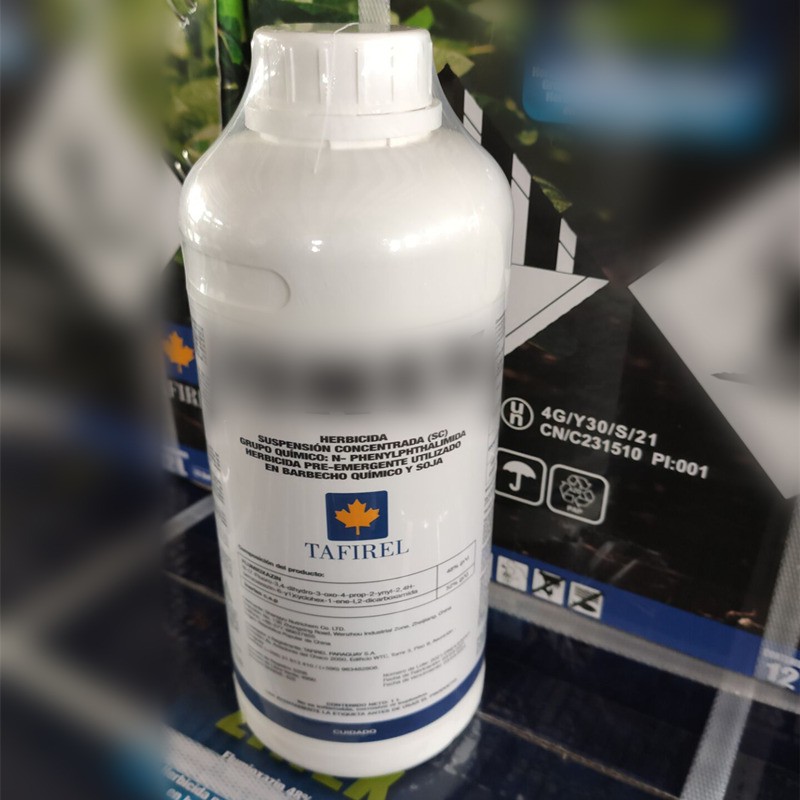
As a supplier of fluroxypyr, I've witnessed firsthand the widespread use of this herbicide in controlling perennial weeds. Fluroxypyr is a selective systemic herbicide that belongs to the pyridine carboxylic acid family. It's highly effective against many broadleaf weeds, making it a popular choice among farmers, landscapers, and gardeners. However, like any herbicide, using fluroxypyr to control perennial weeds comes with its own set of challenges.
Resistance Development
One of the most significant challenges in using fluroxypyr is the development of weed resistance. Over time, repeated and continuous use of the same herbicide can lead to the selection of resistant weed biotypes. Perennial weeds, with their long - life cycles and ability to reproduce vegetatively, are particularly prone to developing resistance.
When fluroxypyr is applied repeatedly to a field or area, the susceptible weeds are eliminated, leaving behind the few that have a natural genetic mutation conferring resistance. These resistant weeds then reproduce, and their offspring inherit the resistance trait. As a result, subsequent applications of fluroxypyr become less and less effective. For example, in some regions where fluroxypyr has been used extensively for controlling dandelions (a common perennial weed), farmers have reported a decrease in control efficacy over the years.
To combat resistance, it's crucial to adopt a diversified weed management strategy. This can include rotating fluroxypyr with other herbicides having different modes of action. For instance, alternating with herbicides from the sulfonylurea or triazine groups can help prevent the build - up of resistant weed populations. Additionally, integrating non - chemical weed control methods such as mechanical cultivation and hand - weeding can also play an important role in reducing the reliance on fluroxypyr and thus delaying resistance development.
Environmental Concerns
Fluroxypyr, like all pesticides, can have potential environmental impacts. One of the main concerns is its persistence in the environment. Although fluroxypyr is generally considered to have a relatively short half - life in soil, under certain conditions, it can persist for longer periods. This persistence can lead to the accumulation of the herbicide in the soil, which may have negative effects on non - target organisms.
Soil microorganisms, for example, play a vital role in nutrient cycling and soil health. The presence of fluroxypyr in the soil can disrupt the normal functioning of these microorganisms, potentially leading to a decrease in soil fertility. Moreover, fluroxypyr can also leach into groundwater if it's applied in excessive amounts or in areas with sandy soils and high rainfall. Contaminated groundwater can pose a risk to human health and aquatic ecosystems.
Another environmental challenge is the potential for drift. When fluroxypyr is sprayed, there's a risk that the herbicide can be carried by wind to non - target areas. This can damage sensitive crops, ornamental plants, and natural vegetation. To minimize drift, proper spraying techniques should be used, such as adjusting the spray nozzles to produce larger droplets, spraying at appropriate wind speeds, and using buffer zones between the treated area and non - target areas.
Application Timing and Dosage
Proper application timing and dosage are critical for the effective use of fluroxypyr in controlling perennial weeds. Perennial weeds have different growth stages, and the efficacy of fluroxypyr can vary depending on when it's applied.
Most perennial weeds are most susceptible to fluroxypyr during their active growth stage. Applying the herbicide too early or too late in the growth cycle can result in poor control. For example, if fluroxypyr is applied when the weed is in a dormant state, the herbicide may not be absorbed effectively, and the weed will continue to grow. On the other hand, if it's applied too late, after the weed has already produced seeds, the control of the current generation of weeds may be achieved, but the seeds will remain in the soil and germinate in the future.
Determining the correct dosage is also a challenge. Using too little fluroxypyr will not provide adequate weed control, while using too much can increase the risk of environmental contamination, as well as being wasteful and costly. The dosage requirements can vary depending on the type of weed, its density, and the environmental conditions. For example, in areas with heavy weed infestations, a higher dosage may be required, but this needs to be carefully balanced with the potential environmental impacts.
Compatibility with Other Products
In many cases, fluroxypyr is used in combination with other herbicides, fertilizers, or pesticides to achieve broader weed control or to enhance the overall performance of the treatment. However, ensuring compatibility between fluroxypyr and other products can be a challenge.
Some products may react chemically with fluroxypyr, leading to reduced efficacy or the formation of harmful by - products. For example, mixing fluroxypyr with certain alkaline fertilizers can cause the herbicide to break down, rendering it ineffective. Additionally, the physical compatibility of the products also needs to be considered. If the products don't mix well, they may clog the spraying equipment or result in uneven application.
Before mixing fluroxypyr with other products, it's essential to conduct a small - scale compatibility test. This involves mixing small amounts of the products in a container and observing for any signs of precipitation, separation, or other physical or chemical changes. Only if the test shows that the products are compatible should they be used in larger - scale applications.

Regulatory and Label Requirements
The use of fluroxypyr is subject to strict regulatory requirements in many countries. These regulations are in place to ensure the safe and effective use of the herbicide, as well as to protect the environment and human health.
Complying with these regulations can be a challenge for users. The herbicide labels provide detailed instructions on proper use, including application rates, safety precautions, and restricted areas. However, these labels can be complex and difficult to understand for some users. Misinterpretation of the label instructions can lead to improper use of the herbicide, which may result in poor weed control, environmental contamination, or even legal issues.
Moreover, regulatory requirements can change over time as new scientific evidence becomes available. Suppliers and users need to stay updated on these changes to ensure continued compliance. For example, some countries may introduce new restrictions on the use of fluroxypyr in certain areas or under specific conditions.
Product Selection
As a fluroxypyr supplier, I understand that choosing the right product can also be a challenge for customers. There are different formulations of fluroxypyr available in the market, each with its own characteristics and suitability for different situations.
For example, Fluroxypyr 140G/L + Aminopyralid 10G/L EC is a combination product that offers broader spectrum weed control compared to fluroxypyr alone. Aminopyralid enhances the activity against certain difficult - to - control weeds, making this formulation a good choice for areas with a diverse weed population. However, customers need to evaluate whether this combination is suitable for their specific needs, taking into account factors such as the types of weeds present, the crop being grown, and the environmental conditions.
In conclusion, while fluroxypyr is a valuable tool for controlling perennial weeds, it's essential to be aware of the challenges associated with its use. By understanding these challenges and taking appropriate measures to address them, users can ensure the safe, effective, and sustainable use of this herbicide.
If you're facing challenges in using fluroxypyr or are interested in exploring our range of fluroxypyr products, including the Fluroxypyr 140G/L + Aminopyralid 10G/L EC, please don't hesitate to contact us for further information and to discuss your specific requirements. We're here to help you make the most of this powerful herbicide while minimizing the associated risks.
References
- Devine, M. D., & Shukla, A. K. (2000). Herbicide Biochemistry and Physiology. Prentice - Hall.
- Gressel, J. (2002). Herbicide Resistance in Weeds and Crops. CRC Press.
- Tomlin, C. D. S. (Ed.). (2009). The Pesticide Manual: A World Compendium. BCPC.