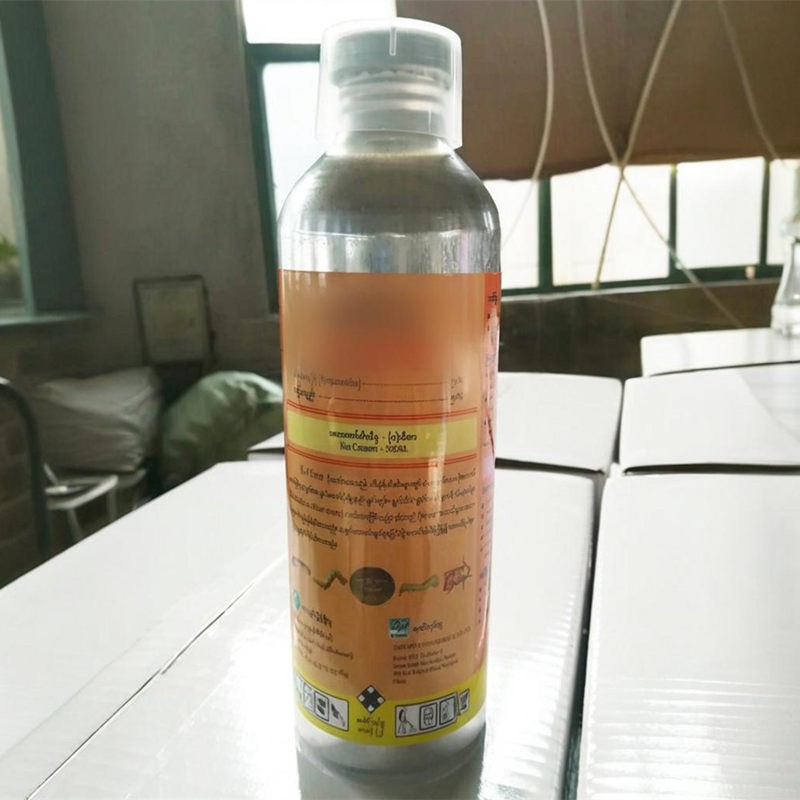
Weed resistance to herbicides is a growing concern in modern agriculture, and lactofen is no exception. As a lactofen supplier, I've witnessed firsthand the challenges farmers face when weeds start to develop resistance to this effective herbicide. In this blog post, I'll share some strategies on how to prevent the development of weed resistance to lactofen, ensuring its long - term effectiveness in the field.
Understanding Lactofen and Weed Resistance
Lactofen is a contact herbicide that belongs to the diphenylether family. It works by inhibiting the protoporphyrinogen oxidase (PPO) enzyme in weeds, leading to the accumulation of toxic compounds that cause cell membrane disruption and ultimately, plant death. However, over time, some weed populations can evolve mechanisms to tolerate or resist the effects of lactofen.
Weed resistance occurs when a small proportion of a weed population has a genetic mutation that allows them to survive exposure to a herbicide. When the herbicide is repeatedly applied, the susceptible weeds are killed, leaving behind the resistant ones. These resistant weeds then reproduce, passing on their resistance genes to the next generation. As a result, the overall weed population becomes more and more resistant to the herbicide.
Strategies to Prevent Weed Resistance to Lactofen
1. Rotate Herbicides
One of the most effective ways to prevent weed resistance is to rotate between different herbicides with different modes of action. Lactofen acts on the PPO enzyme, so using herbicides from other chemical families, such as glyphosate (EPSP synthase inhibitor), atrazine (photosystem II inhibitor), or clethodim (acetyl - CoA carboxylase inhibitor), can help break the cycle of resistance.
For example, in a soybean field where lactofen is commonly used for broadleaf weed control, farmers can alternate between lactofen and a glyphosate - based herbicide in different growing seasons. This way, weeds are exposed to different selection pressures, reducing the likelihood of a single resistance mechanism becoming dominant. You can find more information about our Lactofen 240G/L EC product, which can be part of a well - planned herbicide rotation strategy.
2. Use Herbicide Mixtures
Combining lactofen with other herbicides in a single application can also be an effective resistance management strategy. When two or more herbicides with different modes of action are mixed, they can target multiple sites within the weed, making it more difficult for the weed to develop resistance.
For instance, a mixture of lactofen and a low - rate of a residual herbicide like metribuzin can provide both contact and residual control of weeds. The lactofen will quickly kill the emerged weeds, while the metribuzin will prevent new weed seedlings from germinating. This dual - action approach not only improves weed control but also reduces the selection pressure for resistance.
3. Follow Proper Application Rates
Applying lactofen at the correct rate is crucial for preventing resistance. Under - application can leave some weeds with sublethal doses, which can act as a selection pressure for resistance. On the other hand, over - application not only increases the cost but also may lead to environmental problems and can potentially select for more resistant weeds.
Always follow the label instructions for lactofen application rates. These rates are determined through extensive research to ensure effective weed control while minimizing the risk of resistance. Factors such as weed species, growth stage, and environmental conditions should also be considered when determining the appropriate application rate.
4. Implement Cultural and Mechanical Control Methods
Cultural and mechanical control methods can complement the use of lactofen and reduce the reliance on herbicides, thereby slowing down the development of resistance. Practices such as crop rotation, tillage, and hand - weeding can help manage weed populations.
Crop rotation can disrupt the life cycle of weeds. For example, rotating between a summer - annual crop like soybeans and a winter - annual crop like wheat can prevent the build - up of specific weed species that are adapted to the soybean growing season. Tillage can physically uproot weeds, reducing their numbers and the need for herbicide applications. Hand - weeding can be used for small - scale infestations or in areas where herbicide use is restricted.

5. Monitor Weed Populations
Regular monitoring of weed populations is essential for early detection of resistance. By scouting fields regularly, farmers can identify any changes in weed species composition or the presence of weeds that seem to be surviving lactofen applications.
If resistant weeds are suspected, it's important to collect samples and send them to a professional laboratory for resistance testing. Once resistance is confirmed, appropriate management strategies can be implemented immediately. This may include changing the herbicide program, increasing the use of cultural and mechanical control methods, or using alternative control measures.
The Role of a Lactofen Supplier
As a lactofen supplier, I play a vital role in helping farmers prevent weed resistance. I provide farmers with accurate information about lactofen, including its mode of action, application rates, and resistance management strategies. I also offer training and support to ensure that farmers are using lactofen correctly and effectively.
In addition, I work closely with research institutions and other industry partners to stay updated on the latest developments in herbicide resistance and to develop new products and solutions. By collaborating with others, we can develop more sustainable weed management practices that protect the long - term effectiveness of lactofen and other herbicides.
Conclusion
Preventing the development of weed resistance to lactofen is a collective responsibility that involves farmers, suppliers, researchers, and other stakeholders. By implementing the strategies outlined in this blog post, such as herbicide rotation, using mixtures, following proper application rates, implementing cultural and mechanical control methods, and monitoring weed populations, we can slow down the development of resistance and ensure the continued effectiveness of lactofen in weed control.
If you're interested in learning more about our lactofen products or need advice on preventing weed resistance, I encourage you to reach out to me. Let's work together to develop a customized weed management plan that meets your specific needs and helps you achieve optimal crop yields.
References
- Heap, I. (2023). The International Survey of Herbicide Resistant Weeds. Available at: https://www.weedscience.org/
- Norsworthy, J. K., et al. (2012). Herbicide resistance: A call to action. Weed Science, 60(3), 311 - 332.
- Shaner, D. L. (2014). Herbicide Resistance and Management. CRC Press.