Hey there! As a bentazone supplier, I often get asked, "Is bentazone safe for humans?" It's a valid question, especially considering that bentazone is a widely used herbicide in the agricultural world. In this blog, I'm gonna break down the facts about bentazone's safety for humans, based on scientific research and real - world experience.
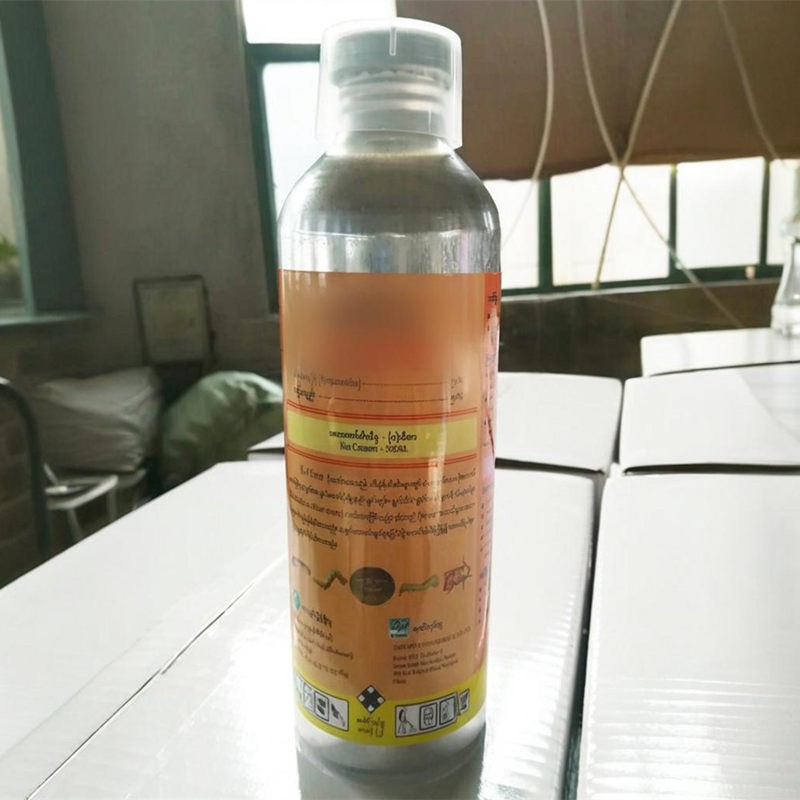
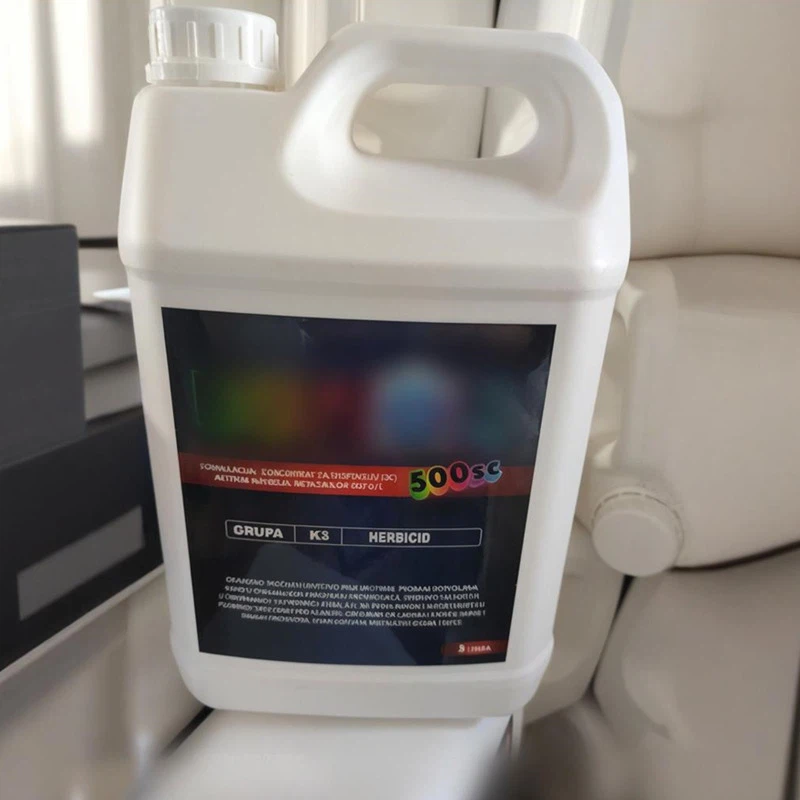
First off, let's talk a bit about what bentazone is. Bentazone is a selective post - emergence herbicide. It's commonly used to control a variety of broadleaf weeds and some grassy weeds in crops like soybeans, peanuts, rice, and more. You can check out our Bentazone 480G/L SL product, which is a popular formulation in the market.
When it comes to human safety, the toxicity of bentazone is relatively low compared to some other pesticides. According to the World Health Organization (WHO), bentazone is classified as a Class III pesticide, which means it's slightly hazardous. This classification is based on a series of tests and studies that assess the acute and chronic effects of the chemical on human health.
Acute exposure to bentazone usually occurs through inhalation, ingestion, or skin contact. Inhalation of bentazone dust or mist can cause irritation to the respiratory tract. Symptoms might include coughing, shortness of breath, and a burning sensation in the throat. But in normal agricultural use, the risk of significant inhalation exposure is quite low if proper safety measures are taken, like wearing a respirator.
Ingestion of bentazone is extremely dangerous. However, accidental ingestion is rare, as it's not something that people would normally consume. If someone does ingest bentazone, they may experience nausea, vomiting, abdominal pain, and in severe cases, it can lead to more serious health problems. But again, this is a very unlikely scenario.
Skin contact with bentazone can cause irritation, redness, and itching. Prolonged or repeated skin contact may even lead to more severe skin reactions. That's why it's super important for farmers and agricultural workers to wear appropriate protective clothing, such as long - sleeved shirts, long pants, and gloves when handling bentazone.
Now, let's look at chronic exposure. Chronic exposure means being exposed to small amounts of bentazone over a long period of time. Some studies have been conducted to assess the potential long - term effects of bentazone on human health. So far, there's no conclusive evidence that bentazone causes cancer, birth defects, or other major long - term health problems in humans. But more research is always needed to fully understand the long - term impacts.
One of the reasons why bentazone is considered relatively safe is its mode of action. Bentazone works by inhibiting photosynthesis in weeds. It targets specific enzymes in the weed's cells that are different from those in human cells. This means that it's less likely to have a direct toxic effect on humans at normal exposure levels.
However, it's not just about the chemical itself. The safety of bentazone also depends on how it's used. If it's misused or over - applied, the risk to human health can increase. For example, if a farmer sprays bentazone on a windy day without proper precautions, the herbicide can drift to areas where people are present, increasing the risk of exposure.

Another factor to consider is the environmental fate of bentazone. Once it's applied to the fields, bentazone can break down in the soil, water, and air. It has a relatively short half - life in the environment, which means it doesn't persist for a long time. This reduces the chances of long - term exposure to humans through environmental contamination.
In the agricultural industry, there are strict regulations regarding the use of bentazone. These regulations are in place to ensure that it's used safely and effectively. For example, there are limits on the amount of bentazone that can be applied per acre, and there are waiting periods between application and harvest to ensure that the residue levels in the crops are within the safe limits.
So, to answer the question "Is bentazone safe for humans?" The answer is yes, but with some important caveats. When used correctly and in accordance with the safety guidelines, bentazone is a relatively safe herbicide. However, like any chemical, it has the potential to cause harm if misused or if proper safety measures are not taken.
If you're in the agricultural business and are considering using bentazone, I encourage you to do your own research and consult with experts. We're here as a bentazone supplier to provide you with high - quality products and all the information you need to use them safely. Whether you're a large - scale farmer or a small - scale grower, we can offer you the right bentazone solution for your needs.
If you're interested in purchasing bentazone or have any questions about its safety and use, don't hesitate to reach out. We're always happy to have a chat and help you make the best decision for your agricultural operations. Let's work together to ensure a safe and productive farming season.
References
- World Health Organization (WHO) Pesticide Classification
- Various scientific studies on the toxicity and mode of action of bentazone