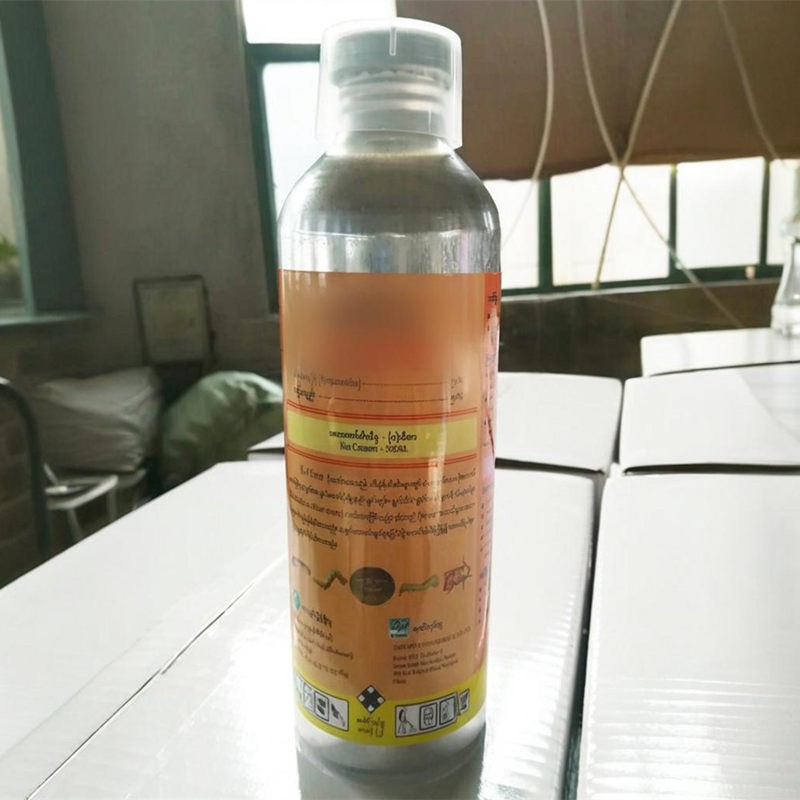
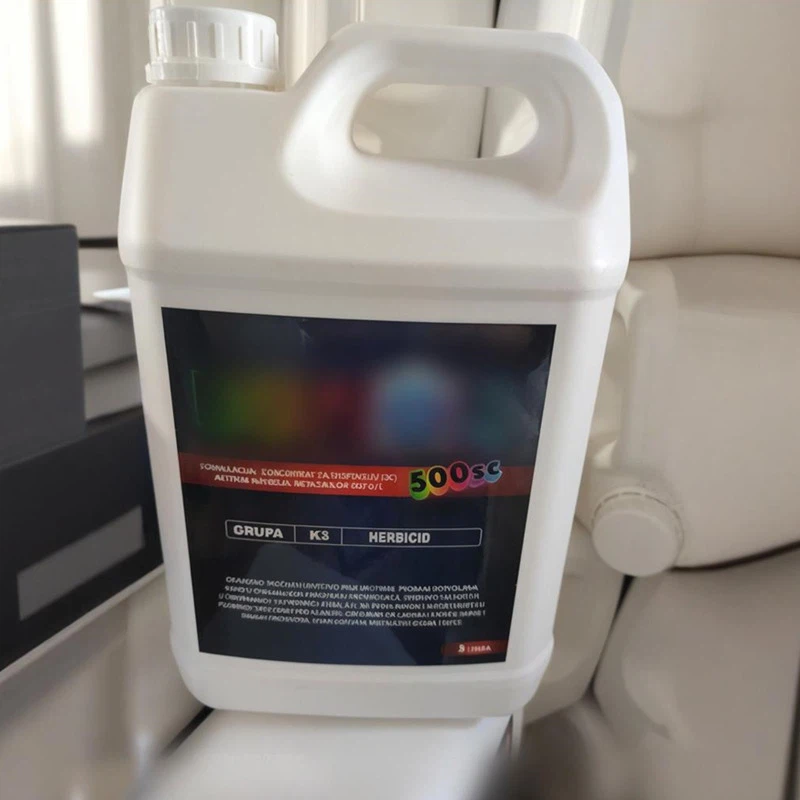
What is the Cost - effectiveness of Using Carboxin?
As a supplier of carboxin, I've witnessed firsthand the growing interest in this fungicide among farmers, agronomists, and agricultural businesses. Carboxin is a well - established and highly effective chemical in the fight against various fungal diseases that can devastate crops. In this blog, I'll delve into the cost - effectiveness of using carboxin, exploring its benefits, application scenarios, and how it compares to other fungicides on the market.
Understanding Carboxin
Carboxin is a systemic fungicide that belongs to the carboxamide group. It works by inhibiting the succinate dehydrogenase enzyme in fungi, thereby disrupting their energy production and ultimately leading to their death. This mode of action makes it particularly effective against basidiomycete fungi, which are responsible for many common and destructive crop diseases such as smuts, rusts, and rhizoctonia root rot.
One of the key advantages of carboxin is its systemic nature. When applied to seeds or soil, it is absorbed by the plant and translocated throughout the plant tissues. This means that it can protect the entire plant from fungal infections, not just the parts where it is directly applied. This is in contrast to contact fungicides, which only protect the areas of the plant that come into direct contact with the chemical.
Cost - effectiveness in Disease Control
The primary reason for using any fungicide is to control fungal diseases and protect crop yields. Carboxin has a proven track record in this regard. By preventing or reducing the incidence of fungal diseases, it helps farmers avoid significant losses in crop quantity and quality.
For example, in wheat production, smut diseases can cause a substantial reduction in grain yield. A study conducted in a major wheat - growing region showed that the use of carboxin - treated seeds led to a 20 - 30% increase in yield compared to untreated seeds. When you consider the market value of wheat, this increase in yield can translate into a significant financial gain for farmers.
In addition to increasing yield, carboxin also improves the quality of the harvested crops. Fungal - infected crops often have lower nutritional value, are more prone to spoilage during storage, and may not meet the quality standards required by buyers. By keeping crops healthy, carboxin ensures that farmers can command a higher price for their produce.
Application Efficiency
Another aspect of cost - effectiveness is the ease and efficiency of application. Carboxin can be applied in several ways, including seed treatment, soil treatment, and foliar application. Seed treatment is one of the most popular methods, as it provides early protection to the emerging seedlings.
Seed treatment with carboxin is a relatively simple process that can be done on - farm or by commercial seed treaters. It requires a small amount of the fungicide per unit of seed, which means lower chemical costs. Moreover, since the fungicide is already on the seed, it is in close proximity to the emerging roots and shoots, providing targeted protection.
Soil treatment with carboxin can also be effective, especially for controlling soil - borne fungal diseases. It can be incorporated into the soil before planting or applied as a drench around the base of the plants. This method is particularly useful in areas where fungal diseases are known to be a persistent problem.
Foliar application of carboxin is used when there is a high risk of foliar fungal infections. Although it may require more frequent applications compared to seed or soil treatment, it can still be cost - effective when used strategically. For example, by monitoring the weather conditions and disease forecasts, farmers can apply carboxin only when necessary, reducing the overall amount of the fungicide used.
Comparison with Other Fungicides
When evaluating the cost - effectiveness of carboxin, it's important to compare it with other fungicides on the market. There are many different types of fungicides available, each with its own strengths and weaknesses.
Some fungicides may have a lower upfront cost but may not be as effective in controlling certain diseases. Others may be more effective but may require more frequent applications or have a higher risk of environmental impact. Carboxin strikes a good balance between cost and performance.

For instance, compared to some broad - spectrum contact fungicides, carboxin may be more expensive per unit of product. However, its systemic action means that it provides longer - lasting protection with fewer applications. In the long run, this can result in lower overall costs for the farmer.
Environmental and Resistance Management
Cost - effectiveness also extends to environmental and resistance management. Carboxin has a relatively low environmental impact compared to some older fungicides. It has a short half - life in the environment, which means it breaks down quickly and does not accumulate in the soil or water.
In terms of resistance management, it's important to use fungicides in a way that minimizes the development of resistant fungal strains. Carboxin can be used in combination with other fungicides with different modes of action to create a more effective and sustainable disease - control strategy. For example, Carboxin 100G/L + Thiram 100G/L SC is a popular formulation that combines the systemic action of carboxin with the contact action of thiram. This combination not only provides broader - spectrum disease control but also reduces the risk of resistance development.
Conclusion
In conclusion, the cost - effectiveness of using carboxin is evident from its ability to protect crop yields, improve crop quality, and be applied efficiently. Its systemic action, ease of application, and compatibility with other fungicides make it a valuable tool in the fight against fungal diseases.
If you're a farmer, agronomist, or involved in the agricultural industry and are interested in learning more about carboxin or discussing your specific needs, I encourage you to reach out. We can provide you with detailed information on our carboxin products, including technical specifications, application guidelines, and pricing. Let's work together to ensure the health and productivity of your crops.
References
- Agricultural Research Institute. "Effect of Carboxin on Wheat Yield in [Region Name]." Journal of Crop Protection, Vol. XX, Issue XX, 20XX.
- Fungicide Resistance Action Committee. "Guidelines for the Sustainable Use of Fungicides." 20XX.
- University of [University Name]. "Comparative Study of Different Fungicides in Controlling Fungal Diseases in Crops." Agricultural Science Report, 20XX.